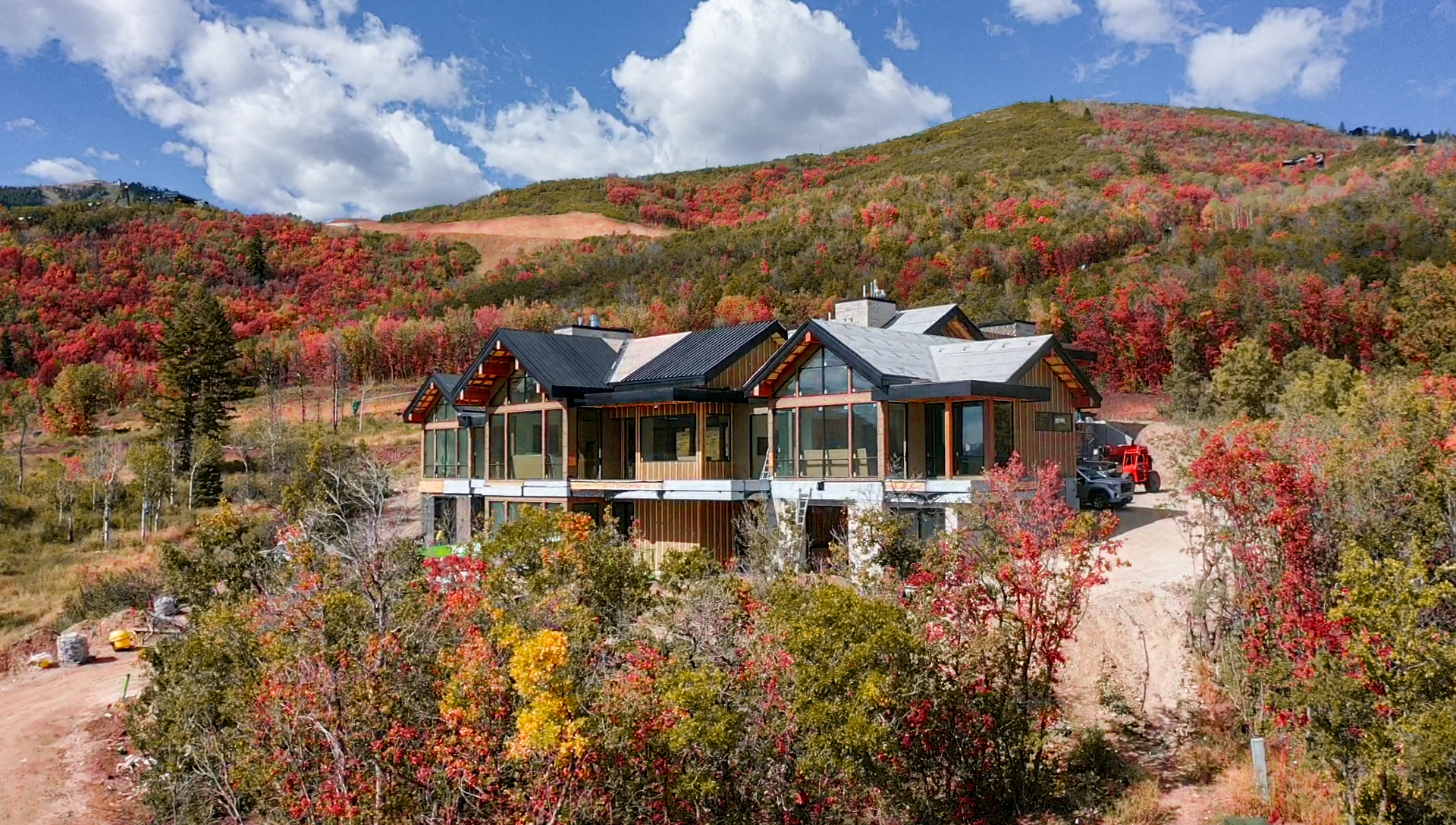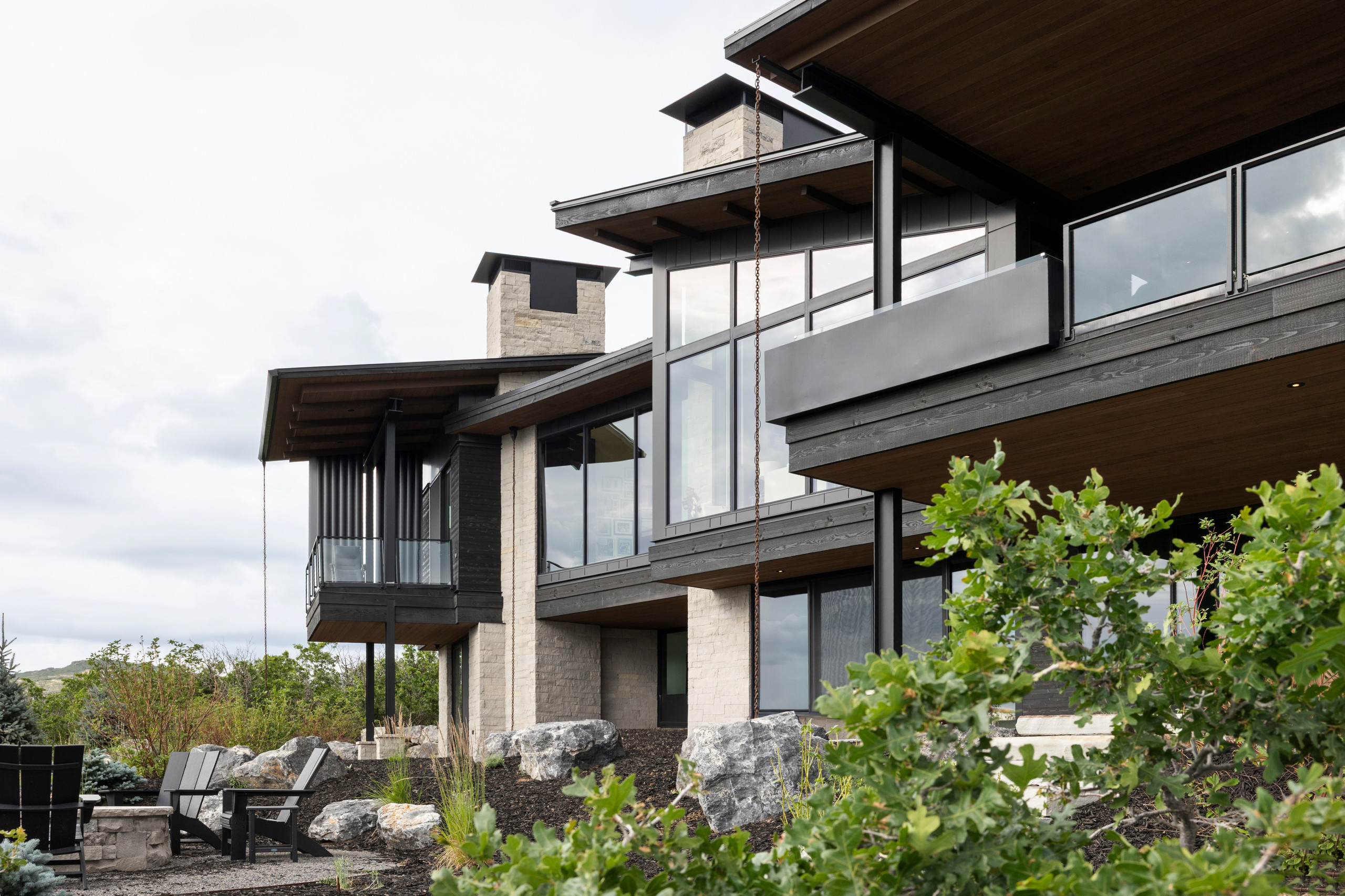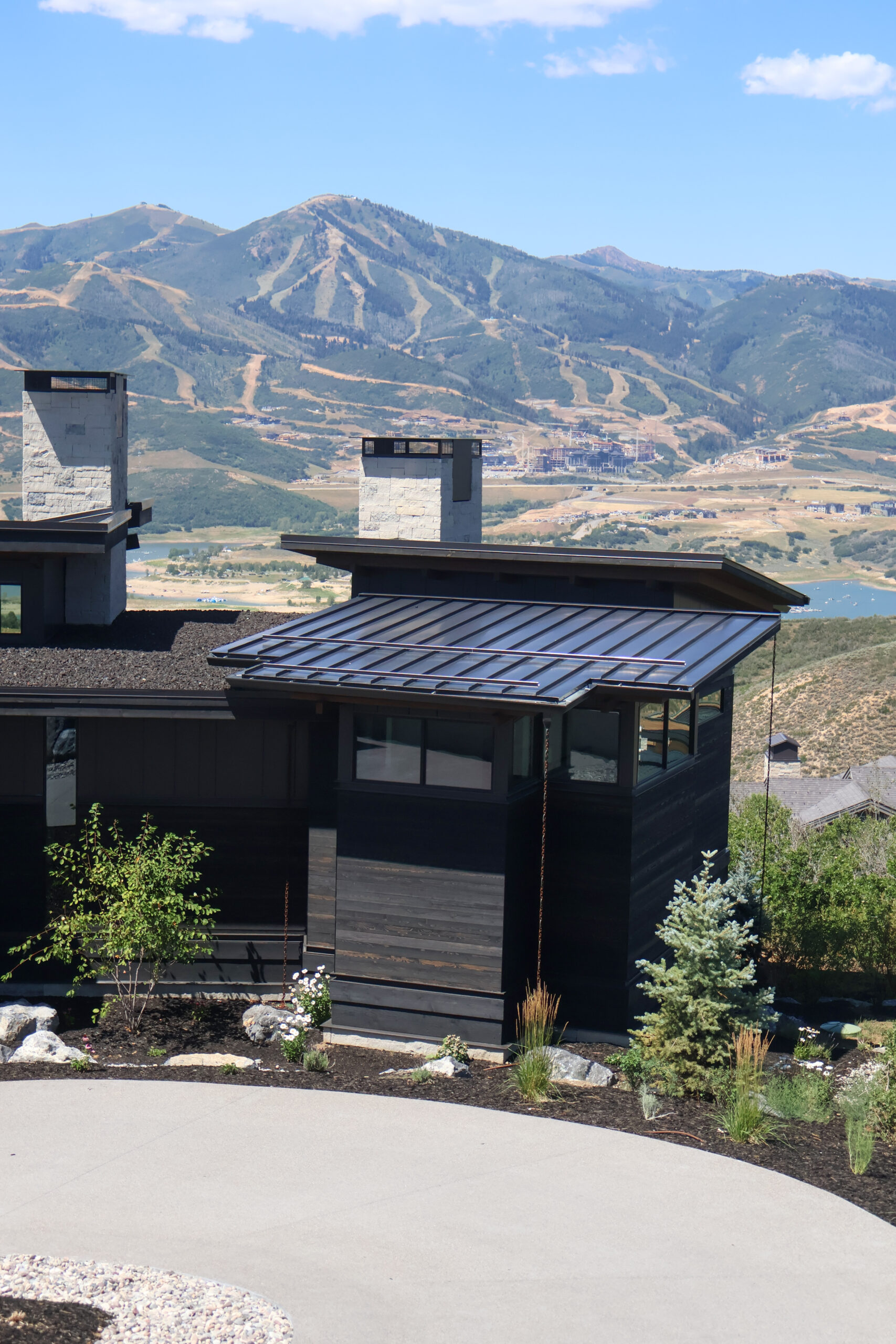

Metal facades give homes and commercial buildings a sleek, modern look, but they also highlight one of metal wall systems’ most common cosmetic issues: oil canning.
If you’ve noticed subtle waves or puckers on your building’s exterior, don’t panic — this is a natural effect of metal moving over time. In Park City, where high elevation, heavy snow, and wide temperature swings are the norm, oil canning on facades is more noticeable than in milder climates.
This guide breaks down why it happens, how it affects your property, and practical steps to prevent or minimize it. Understanding this now can save you headaches, preserve aesthetics, and even maintain the perceived value of your home or commercial building.
Why Oil Canning Appears on Facades in Park City
Large, uninterrupted vertical surfaces like facades make any irregularity easier to spot. Several factors make Park City facades more prone to oil canning than other areas:
- Extreme Weather Exposure
Facades face high winds, heavy snow accumulation, and strong UV exposure. All of this causes metal to expand and contract, which over time can create subtle waves. Roof panels are also exposed to these conditions, but facades’ vertical orientation and large surface area make ripples more noticeable. - Long, Flat Panels
Architectural facades often feature wide, flat panels for a clean, modern appearance. While visually striking, long panel runs increase the chances of minor ripples forming. Narrower panels or panels with built-in design reliefs are less prone to oil canning. - Improper Fastening or Tension
If clips, fasteners, or substructures aren’t installed correctly, panels can be unevenly pulled, creating visible waves over time. Even minor mistakes during installation can become noticeable as panels react to snow loads and temperature changes.
How Oil Canning Affects Facades
Although oil canning is mostly cosmetic, it can influence how your building is perceived and maintained:
- Visual Impact
Smooth lines are essential for a modern facade. Even minor ripples can distract from the building’s design, drawing attention away from architectural features. - Perceived Craftsmanship
Wavy panels may suggest poor installation or inferior materials, even when the structure is solid. For luxury homes or commercial properties, this perception matters to buyers and tenants. - Maintenance Awareness
Ripples rarely cause leaks, but they can signal stress on the panels. Identifying them early allows small adjustments before more significant cosmetic issues develop.
Practical Steps to Prevent Oil Canning on Facades
Homeowners and builders can take proactive measures to manage facade oil canning:
- Conduct Regular Inspections
Check metal facades after each season, especially after heavy snow or strong winds. Look for subtle waves along flat panel surfaces, and schedule professional assessments if anything seems off. - Correct Minor Ripples Early
Professional installers can make small adjustments now to prevent larger, more noticeable cosmetic issues later. Learn how to stop and avoid oil canning - Select the Right Panel Materials and Coatings
Coated metals and panels engineered for Park City climates reduce visible waves. Materials that handle snow load and temperature swings are less likely to show oil canning. - Hire Experienced Installers
Proper fastening, tension, and alignment during installation significantly reduce oil canning. Choosing a contractor familiar with local weather challenges is key. - Routine Maintenance
Promptly remove snow, ice, and debris to minimize extra stress on panels. Keeping gutters and drainage clear also prevents uneven panel loads. See our snow-resistant roof guide
FAQ – Oil Canning on Facades
Q1: Will oil canning damage my facades?
A: Usually not. It’s mostly cosmetic, but addressing minor waves early helps maintain the appearance of your metal facade.
Q2: How can I tell if my facades are affected?
A: Look for subtle ripples along flat panel surfaces, especially after snow or temperature swings. Sunlight at an angle can make them easier to spot.
Q3: Is oil canning permanent?
A: Yes, oil canning is generally permanent once panels are installed. It’s a natural characteristic of metal, especially on wide, flat facades exposed to temperature changes and snow. While it’s mostly cosmetic and does not affect structural integrity, you can minimize its appearance by choosing the right panel materials, coatings, and widths before installation. Regular maintenance and proper snow removal can help prevent additional stress on the panels.
Q4: Is oil canning common in Park City facades?
A: Absolutely. The combination of high elevation, snow, and temperature swings makes metal facades prone to subtle ripples.
Q5: Can I prevent oil canning completely?
A: While you can’t always eliminate it, choosing the right materials, proper panel width, and skilled installation dramatically reduces the risk.
Conclusion
Oil canning is mostly cosmetic, but in Park City, it can impact the look and perceived quality of your building. Regular inspections, timely adjustments, smart material choices, and hiring experienced installers are all key to maintaining smooth, visually striking facades.
Pro Tip: Wide, flat panels show oil canning more easily. If your design uses them, ask your installer about tensioning clips and coated panels built for snow-heavy climates.