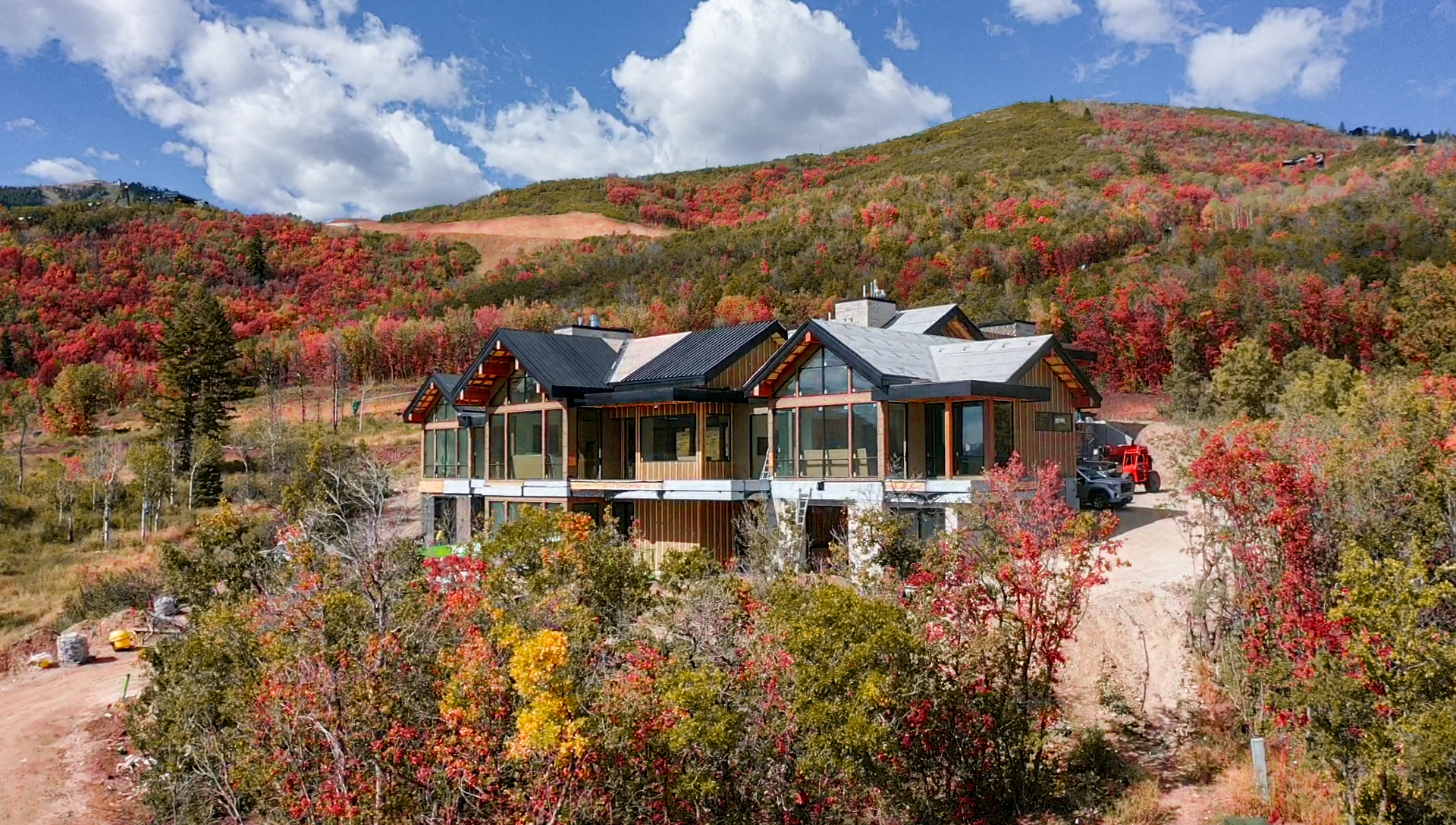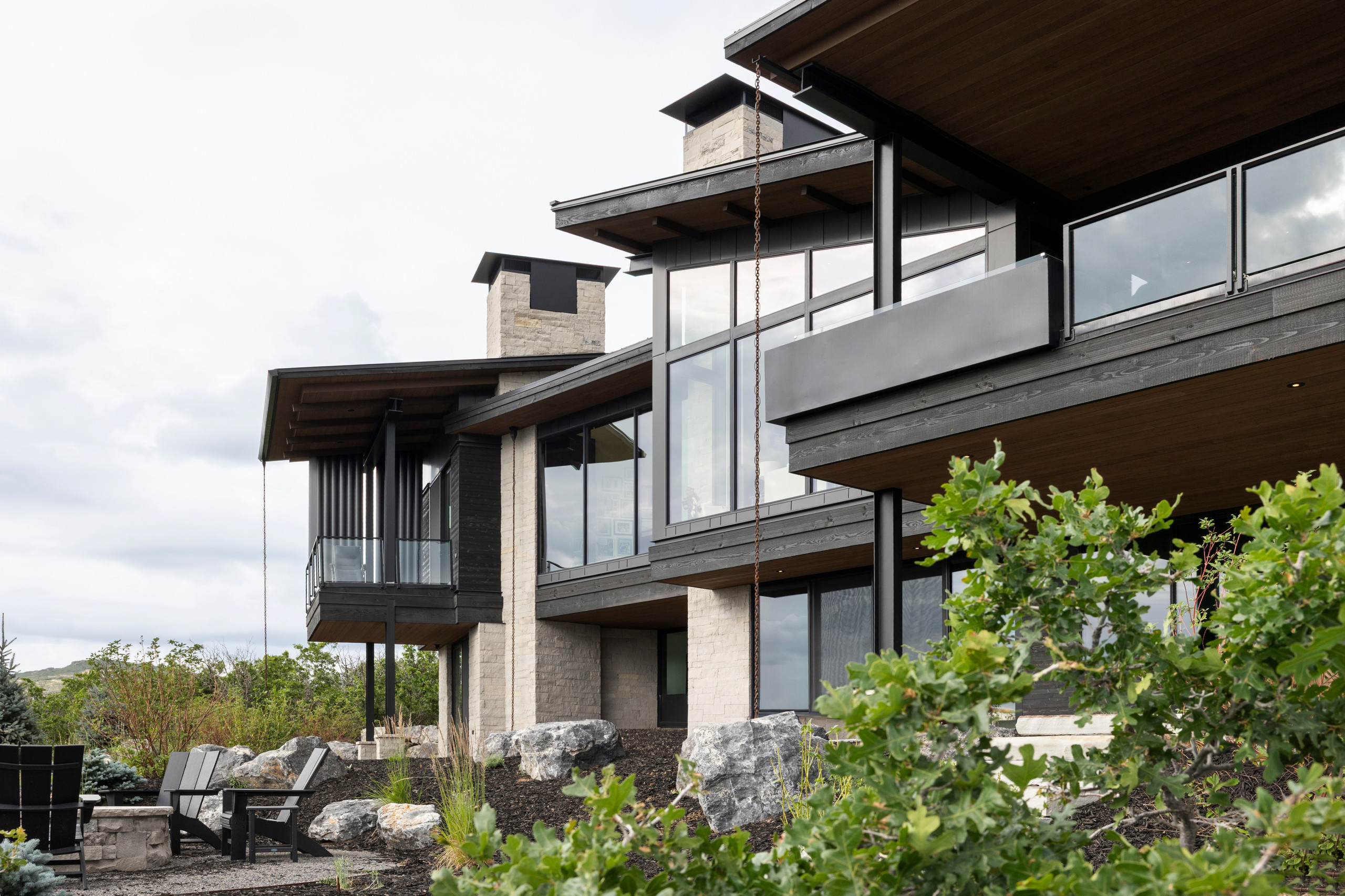

Choosing the right roofing material has always been an important part of building a durable home, but in wildfire-prone areas, it can play an even bigger role.
For homes in Wildland Urban Interface (WUI) zones, roofing materials must often meet strict fire-resistance standards to reduce the risk of ember ignition during wildfires.
One approach that has gained attention in recent years is home hardening, a building strategy that focuses on using fire-resistant materials to strengthen the most vulnerable parts of a home.
Among the many construction upgrades available, metal roofing systems are one of the most effective ways to improve wildfire resilience while also providing long-term durability for homes in mountain environments like Park City and other communities throughout the Wasatch Back.
Many communities across Utah are also updating Wildland Urban Interface (WUI) building requirements, which influence the types of roofing materials allowed in wildfire-prone areas.
What Is Home Hardening?
Home hardening focuses on reducing the ways a wildfire can ignite a structure. Most homes that burn during wildfires don’t ignite from direct flames. Instead, they catch fire from wind-blown embers.
These embers can travel long distances ahead of the fire front and land on roofs, vents, decks, and other vulnerable areas.
Because of this, wildfire mitigation strategies often focus on strengthening the most exposed areas of a home, including:
- Class A fire-rated roofing systems
- Non-combustible siding and wall panels
- Ember-resistant vents and soffits
- Fire-resistant fascia and roof edges
Out of all these components, the roof is one of the most critical areas, since it represents the largest surface where embers can land and potentially ignite a structure. Many of these fire-resistance standards are based on wildfire protection guidelines developed by organizations like the National Fire Protection Association (NFPA).
Why Metal Roofing Is Ideal for WUI Homes
For homeowners living in wildfire-prone regions, metal roofing is one of the most effective home hardening upgrades available.
Metal roofs offer several advantages that make them especially well-suited for WUI homes.
Non-Combustible Material
Unlike wood or other combustible roofing materials, metal does not ignite when exposed to embers. This significantly reduces the chance of roof ignition during a wildfire.
Class A Fire Rating
Many standing seam metal roofing systems qualify for a Class A fire rating, the highest fire-resistance classification available for roofing assemblies. This rating is commonly required in many WUI construction zones.
Long-Term Durability
In addition to wildfire protection, metal roofs perform extremely well in mountain environments like Park City, where homes experience heavy snow loads, strong UV exposure, and dramatic temperature swings.
A properly installed metal roof can last 40–70 years, making it one of the most durable roofing options available.
Minimal Maintenance
Metal roofing systems resist rot, insects, and many types of weather damage that can affect traditional roofing materials over time.
24-Gauge Metal Roofing and Standing Seam Systems
Many homes in Wildland Urban Interface areas use 24-gauge standing seam metal roofing systems.
These systems are popular for several reasons:
- Durable, thick metal panels
- Hidden fasteners that reduce water intrusion
- Strong performance in snow-heavy climates
- Excellent compatibility with fire-resistant roof assemblies
Standing seam roofing also offers a clean architectural appearance that fits well with modern mountain homes and luxury construction throughout Park City and the Wasatch Back.
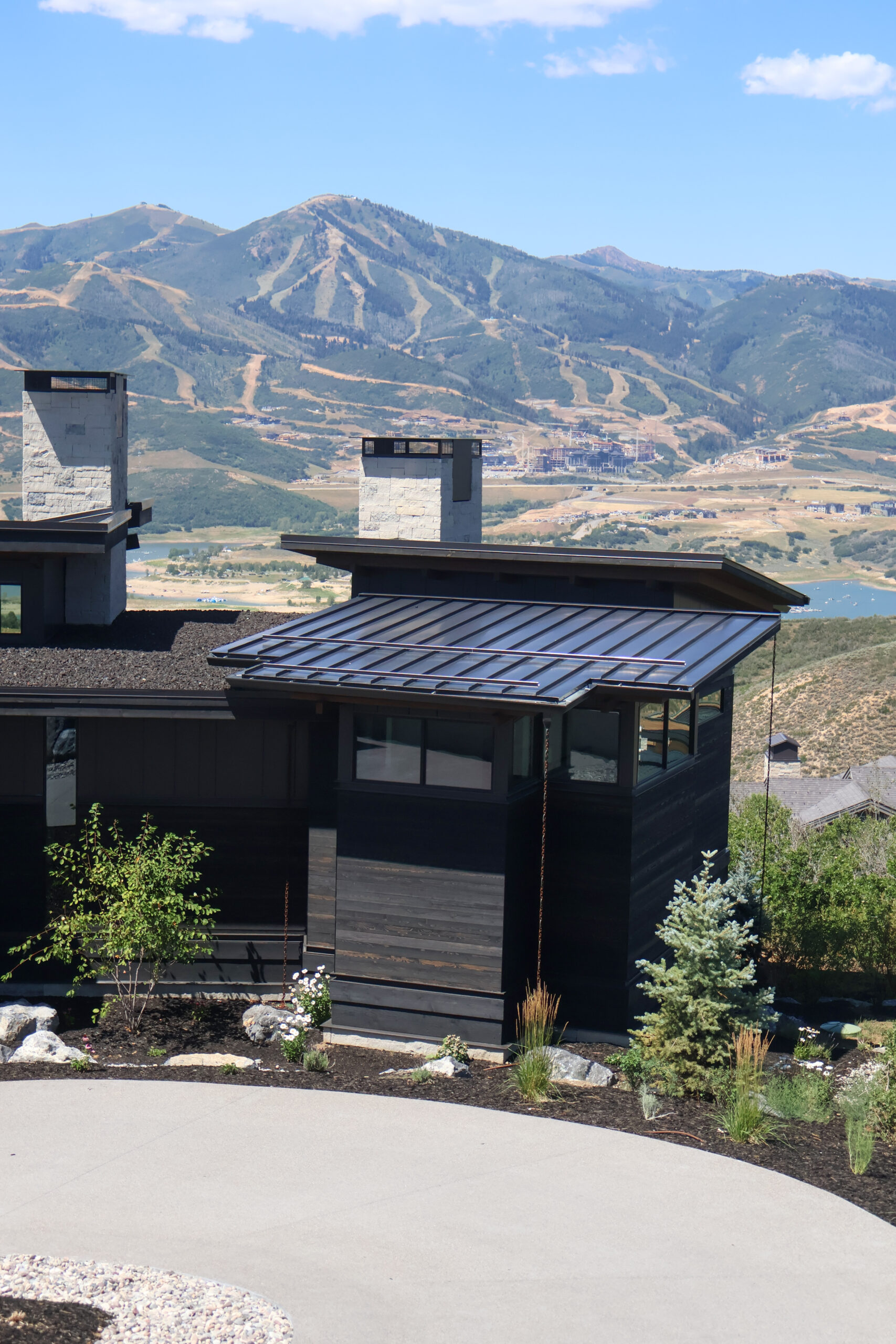
Standing seam roofing is commonly used on homes throughout Park City and other mountain communities, where metal roofing systems are valued for their durability and performance in harsh climates.
Metal Roofing and Wildfire Ember Resistance
During a wildfire event, embers are often the biggest threat to homes.
Metal roofing helps reduce this risk because:
- The material itself does not ignite
- Smooth surfaces make it harder for embers to accumulate
- Properly installed systems reduce gaps where embers could enter
When combined with metal fascia, ember-resistant soffits, and fire-resistant wall systems, metal roofing becomes a key component of a complete home hardening strategy.
Why Metal Roofing Is a Key Part of Home Hardening
For homeowners living in WUI communities, roofing decisions are increasingly about more than just appearance or cost.
Material selection now plays a major role in wildfire protection, building code compliance, and long-term durability.
Upgrading to a fire-resistant metal roof is one of the most effective ways to strengthen a home against wildfire exposure while also improving performance in harsh mountain climates.
As wildfire risk continues to influence construction practices across Utah, home hardening strategies like metal roofing are becoming more common for homeowners, builders, and property managers alike.
Home Hardening Checklist
When planning improvements for wildfire resilience, several building components can help reduce risk:
- Class A fire-rated roofing
- Non-combustible wall systems
- Ember-resistant vents and soffits
- Fire-resistant fascia and roof edges
- Proper installation of roof and wall assemblies
Together, these elements help create homes that are better prepared for wildfire risk in mountain communities across Utah and the broader Wildland Urban Interface.