
Why Metal Roof Color UV Resistance Should Drive Your Decision
When homeowners choose a metal roof color, UV performance should be at the top of the list. Metal roof color UV resistance determines how your roof will look five, ten, and twenty years from now. In Utah, we sit at high elevation with thin atmosphere, which means UV exposure is significantly more intense than at sea level. A color that holds up well in a coastal climate may chalk, fade, or shift within just a few years on a mountainside home in Park City or Heber City.
At Viotell Metal Concepts, we help clients choose colors that are backed by high-performance coating systems designed for exactly this kind of environment. Our experience with roofing projects across the Wasatch Back has taught us which colors and coatings hold up and which ones do not. That firsthand knowledge saves homeowners from making choices they will regret in a few seasons.
Color is not just about aesthetics. The shade you choose affects your roof’s thermal performance, its ability to shed snow evenly, and how well it blends with the surrounding landscape. Getting it right from the start means you will not be paying for a repaint or replacement panel down the road.
Understanding Coating Systems and UV Protection
Not all paint systems on metal roofing panels are created equal. The two most common categories are polyester coatings and PVDF (polyvinylidene fluoride) coatings, often sold under brand names like Kynar 500 or Hylar 5000. Polyester coatings are less expensive but break down faster under UV exposure. They tend to chalk and fade noticeably within 10 to 15 years, especially at high elevations.
PVDF coatings use a resin chemistry that resists UV degradation at a molecular level. These coatings carry 30- to 40-year fade and chalk warranties and are the standard for any project where long-term color retention matters. When we spec panels for our metal roofing installations in Midway or elsewhere in Summit and Wasatch counties, PVDF is our default recommendation.
There is also a newer category of cool-roof coatings that reflect a higher percentage of solar radiation. These coatings can reduce roof surface temperatures by 50 to 60 degrees Fahrenheit on a summer day, which lowers cooling costs and reduces thermal stress on the panels themselves. They are available in a wider range of colors than most people expect, including medium and dark tones that still meet Energy Star reflectivity standards.
Which Colors Fade the Most (and the Least)
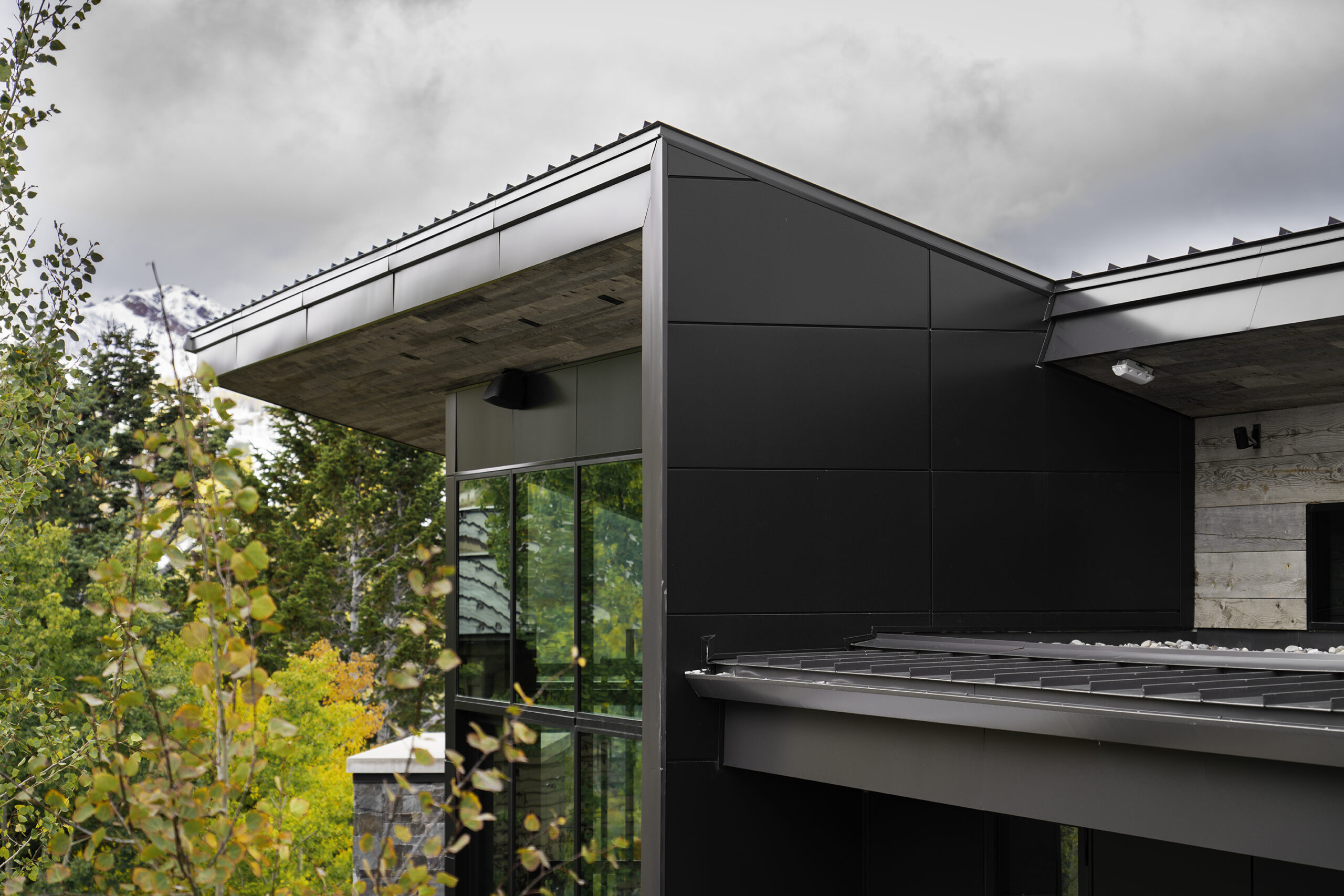
Darker colors absorb more UV radiation and tend to show fading more quickly than lighter shades. Reds, dark blues, and black are the most susceptible to visible color shift over time. That does not mean you cannot use them. It means you need to pair them with a PVDF coating system and accept that some degree of weathering will occur over decades.
Earth tones, charcoals, and muted greens tend to perform well because any slight fading blends naturally with the surrounding environment. These colors are also popular in mountain communities where design guidelines often require roofing that complements the natural setting. We work with homeowners and architects to find colors that meet both HOA requirements and long-term durability goals.
Lighter colors like whites, light grays, and tans show the least visible fading because there is less pigment to break down. They also reflect more heat, which is a benefit in summer but can slow snowmelt in winter. For homes at higher elevations where snow management is already a concern, that trade-off is worth discussing before finalizing a color choice.
How Utah’s Elevation Intensifies UV Damage
For every 1,000 feet of elevation gain, UV radiation increases by roughly 6 to 8 percent. Park City sits at about 7,000 feet. That means roofs here are exposed to roughly 40 to 50 percent more UV radiation than a roof at sea level. Over 30 years, that difference adds up to a significant amount of additional stress on any coating system.
We also deal with highly reflective snow cover for four to five months of the year. Snow reflects UV radiation back up onto the roof surface, effectively doubling the UV load on the panels during winter. This is something most color selection guides do not account for because they are written for lower-elevation markets.
Our team at Viotell accounts for these local conditions when helping clients select colors and coatings. We have seen firsthand how certain products perform in this environment over many years, and we steer clients toward options that have a proven track record here, not just in manufacturer testing labs.
Matching Color to Architecture and Surroundings
Color selection is also a design decision. The roof is one of the most visible elements of any building, and in mountain communities, it is often seen from above as well as from the street. A color that looks great on a sample chip may look entirely different at scale on a 3,000-square-foot roof surface under direct sunlight.
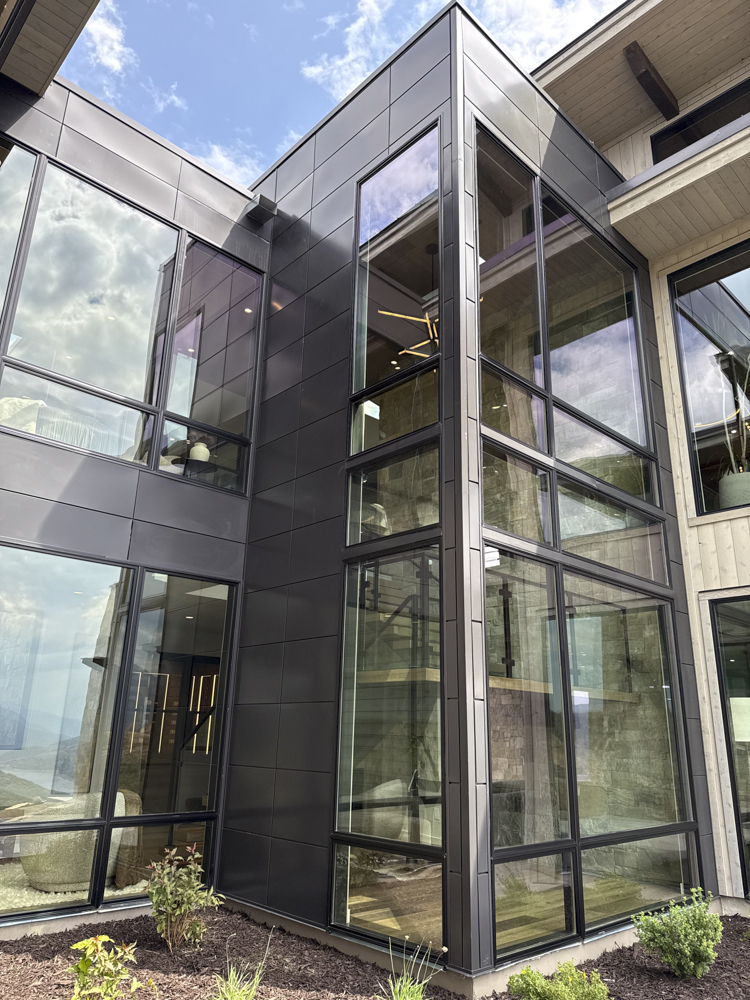
We recommend requesting full-size panel samples and viewing them on-site at different times of day before making a final decision. Morning light, midday sun, and overcast conditions all shift how a color appears. If the home or commercial building uses metal wall panels in addition to metal roofing, coordinating the colors between the two systems is essential for a cohesive look.
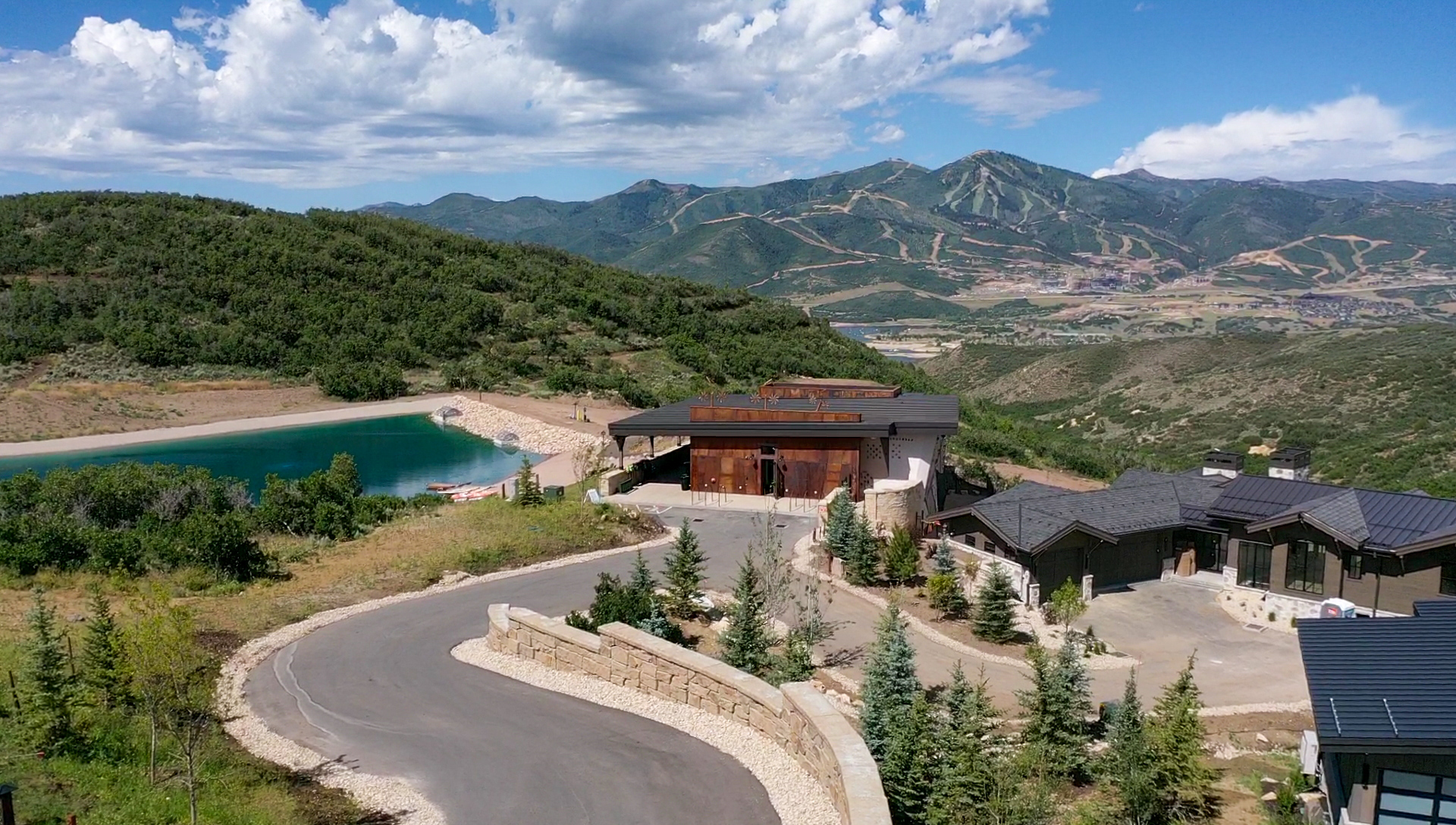
Many of our projects in the Park City area involve working within design review guidelines that specify acceptable color ranges. We help clients find colors within those parameters that also offer strong UV performance, so the roof looks right on day one and still looks right on year twenty.
What to Ask Before Choosing a Roof Color
Before you finalize a color, ask your roofing contractor these questions: What coating system is on the panel? What is the warranty length for fade and chalk? Has this specific color been installed at elevation in a similar climate? Can I see an example that has been in place for at least five years?
At Viotell, we can point to completed projects across Summit, Wasatch, and Salt Lake counties that demonstrate how our recommended colors and coatings perform over time. We are happy to show you real-world examples so you can make your decision with confidence. Get in touch with us to start the conversation about your next roofing project.
Frequently Asked Questions
What is the best metal roof color for UV resistance?
Lighter colors like whites, light grays, and tans show the least visible fading over time. For darker tones, pairing with a PVDF coating system (such as Kynar 500) provides the best long-term UV resistance at any elevation.
How long do metal roof colors last before fading?
With a PVDF coating, most metal roof colors carry fade warranties of 30 to 40 years. Standard polyester coatings may begin showing visible fade within 10 to 15 years, especially at high elevations where UV exposure is more intense.
Does roof color affect energy efficiency?
Yes. Lighter-colored metal roofs reflect more solar radiation and can reduce cooling costs in summer. Darker colors absorb more heat, which can be beneficial for snowmelt in winter but increases cooling load in warmer months.
Are there cool-roof metal panels in dark colors?
Yes. Modern cool-roof coatings use infrared-reflective pigments that allow darker-colored panels to reflect a significant portion of solar heat while maintaining a deep, rich appearance. Many of these meet Energy Star standards.
Should I worry about UV damage on a metal roof in Utah?
Absolutely. Utah’s high elevation means UV exposure is 40 to 50 percent higher than at sea level. Choosing a panel with a high-quality PVDF coating is one of the best investments you can make for long-term roof performance.
Find the Right Color for Your Roof
We can help you choose a metal roof color that looks great and performs well for decades in Utah’s high-elevation environment. Contact us today to request panel samples and discuss your project.