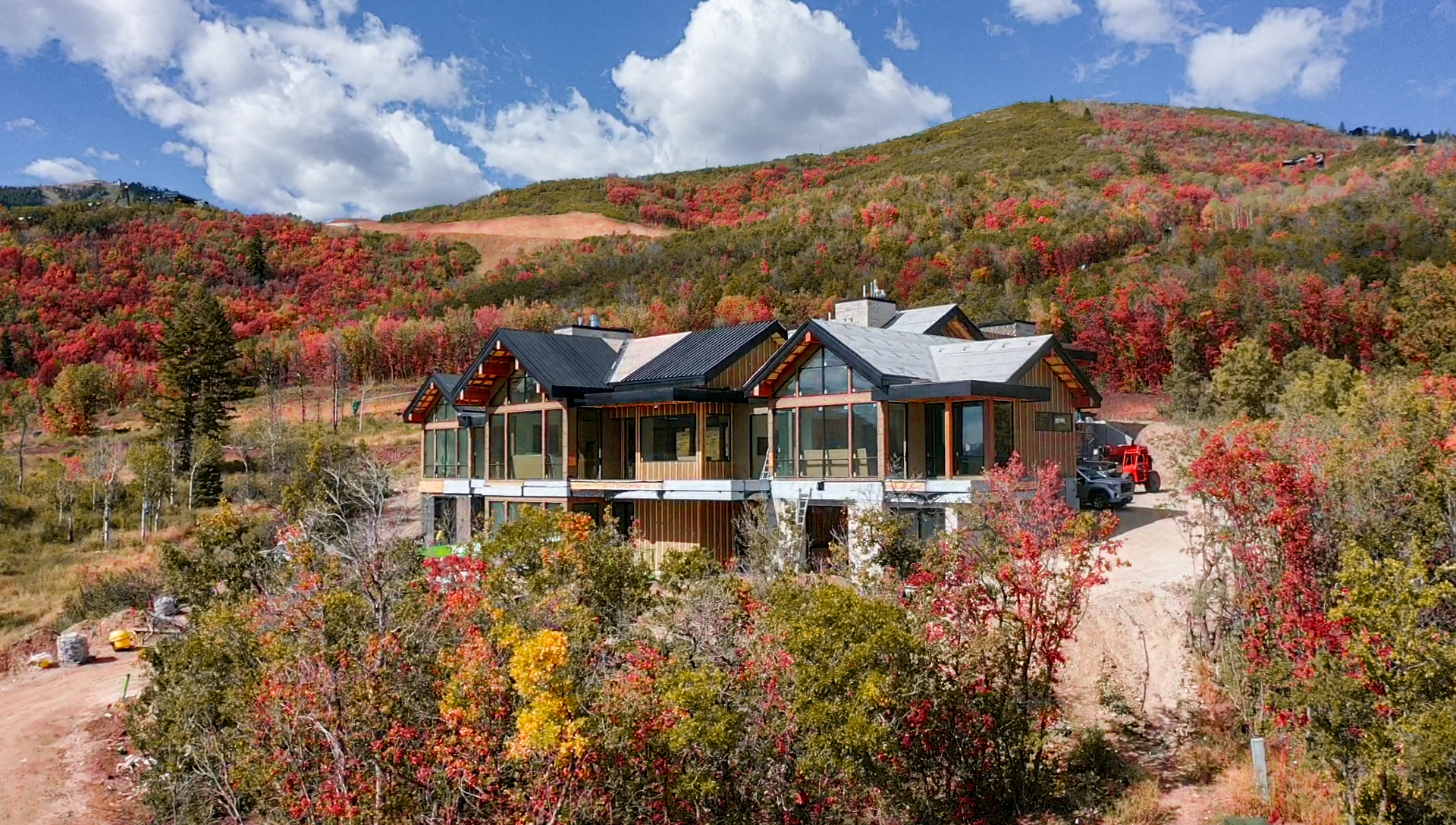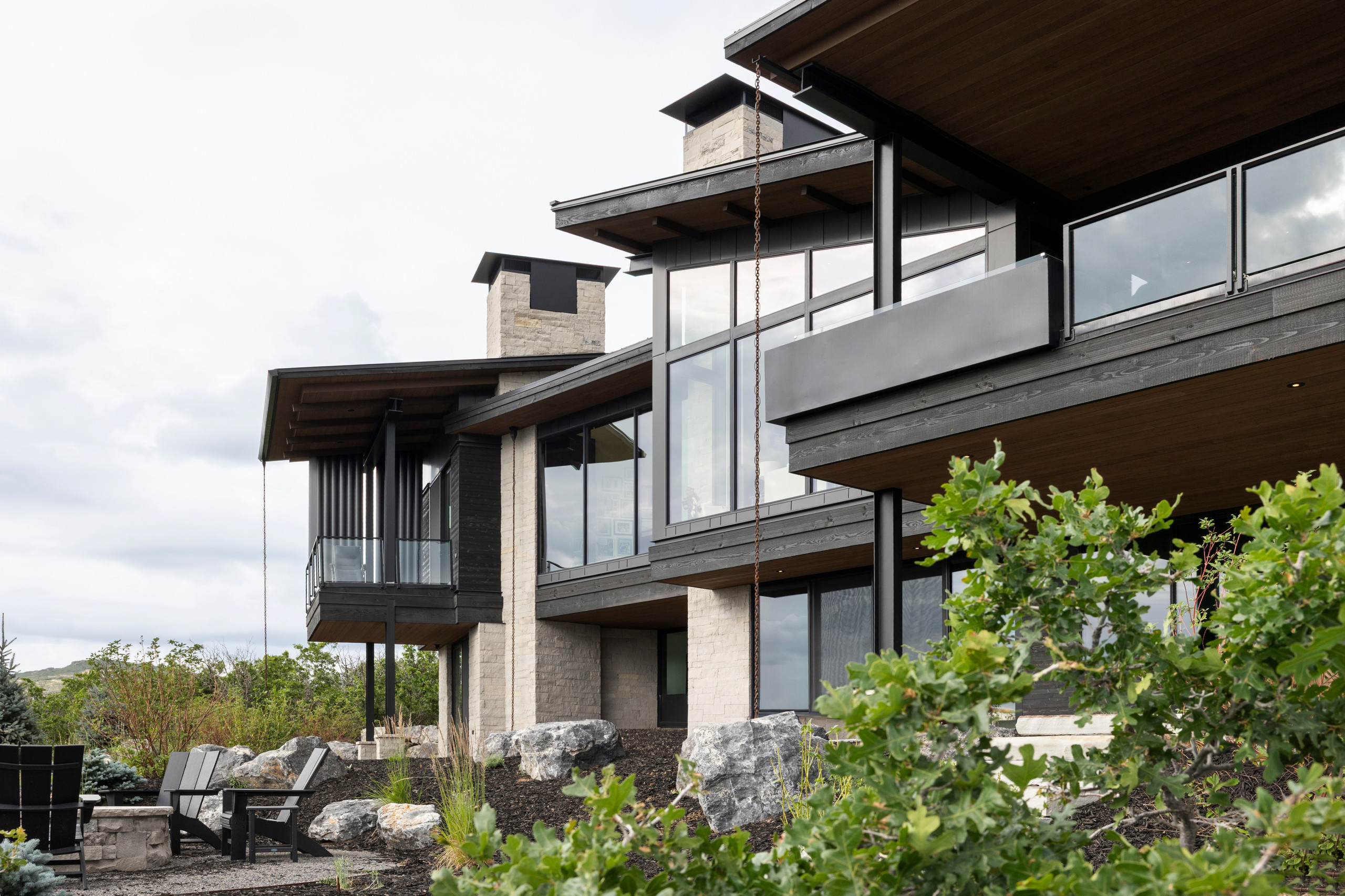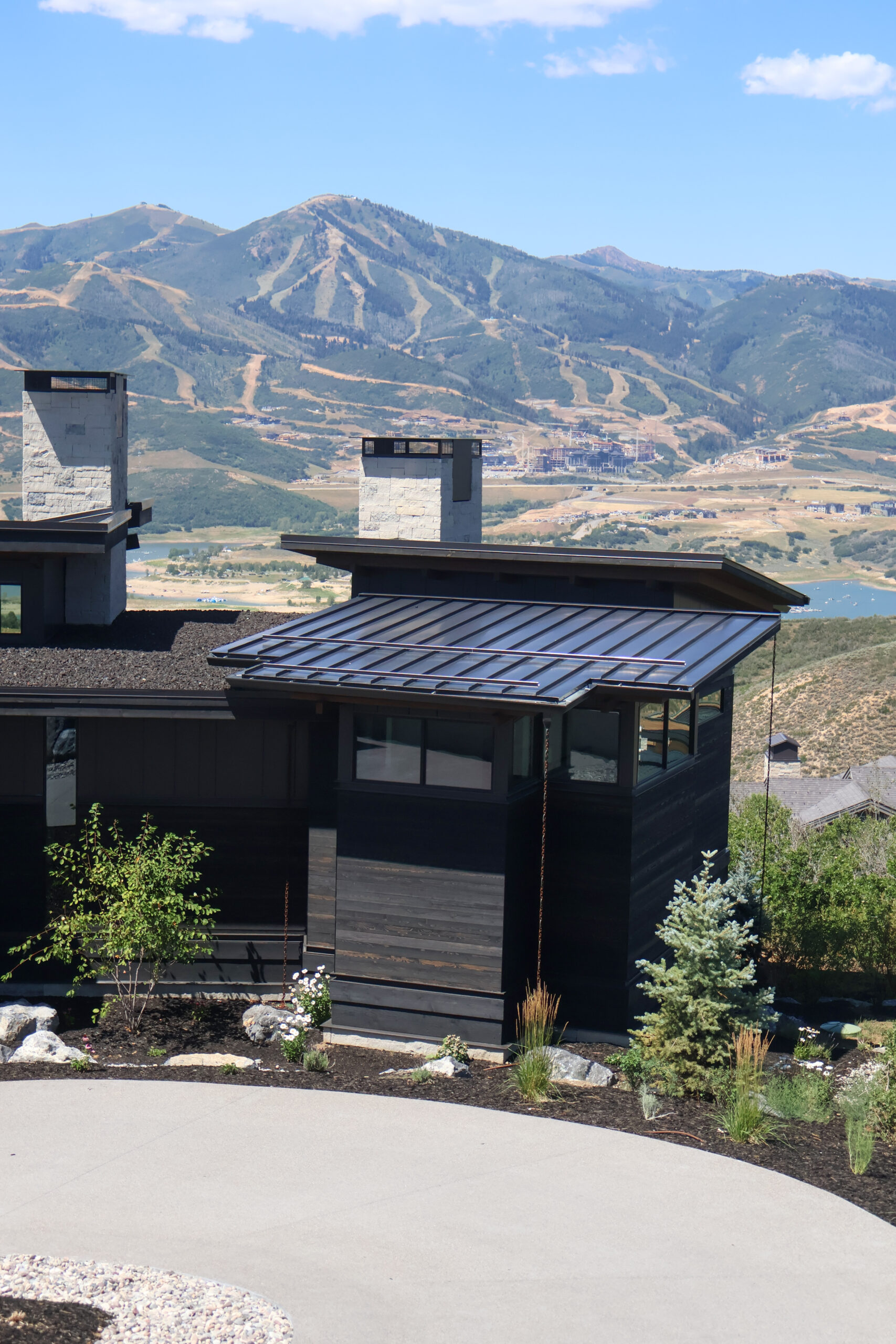

Park City gets an average of around 300 inches of snow per year at higher elevations. That kind of accumulation puts serious demands on a roof, and it puts equal demands on the contractor installing it. Choosing a Park City roofing contractor who actually understands snow country is one of the most important decisions a homeowner or builder can make.
At Viotell Metal Concepts, we’ve spent over 25 years installing roofing systems designed specifically for Utah’s mountain climate. Here’s what to look for when vetting a contractor for a high-snow environment.
Why Snow Changes the Roofing Conversation
In lower-elevation areas, roofing is mostly about keeping water out and maintaining curb appeal. In Park City and surrounding communities like Heber and Midway, the stakes are different. A roof has to handle sustained snow loads, freeze-thaw cycling, ice dam potential, and controlled snow release without compromising the structure or creating safety issues below.
That means the roofing conversation isn’t just about materials. It’s about system design, snow retention planning, moisture management, and detailing at every transition point on the roof.
What to Look for in a High-Snow Roofing Contractor
Direct experience with mountain installations
A contractor may have years of experience in the industry but limited time working in actual snow-heavy environments. Ask specifically about projects in Park City, Heber City, Midway, or similar mountain communities. Look for examples of roofs that have held up through multiple winters, not just recently completed installs.
Snow retention knowledge
A qualified contractor should be able to explain how snow management will be handled on your specific roof. That includes snow guard placement, retention bar layout, and how the plan accounts for roof pitch, geometry, and areas below the roofline where people walk or vehicles park.
If a contractor treats snow retention as an afterthought or an optional add-on, that’s a red flag.
In-house fabrication capability
Mountain roof geometry is rarely simple. Steep pitches, valleys, dormers, and mixed cladding materials all require precision detailing. Contractors with in-house sheet metal fabrication can build custom components to fit the actual roof dimensions, rather than relying on generic parts that need heavy field modification.
Heat cable and ice management planning
Ice dams are a real concern in Park City, especially at eave lines and valleys. A contractor who understands high-snow environments will plan for heat cable systems as part of the roof design, not as a reactive fix after the first winter causes problems.
Questions to Ask Before Hiring
Before signing with any roofing contractor for a mountain project, ask these questions:
What metal roofing systems do you recommend for this specific roof, and why? How will snow retention be designed and placed for this roof’s geometry? What is your approach to flashing at chimneys, skylights, and wall transitions? Do you fabricate custom components in-house, or source everything from a supplier? How do you plan for ice dam prevention on this project? Can you provide references from homeowners in Park City or nearby mountain communities?
The answers should be specific to your project. Generic responses suggest the contractor may not have the depth of experience these conditions require.
Red Flags to Watch For
A few warning signs that a contractor may not be the right fit for a Park City project:
They recommend the same roofing system for every project regardless of conditions. Snow guards or retention aren’t included in the proposal. They can’t explain how flashings and transitions will be detailed. They subcontract fabrication to a shop they don’t control. They don’t ask about the building’s orientation, exposure, or surrounding terrain.
Why Local Knowledge Matters
Roofing in Park City isn’t the same as roofing in the Salt Lake Valley. Elevation, sun exposure, wind patterns, and snow behavior all vary, sometimes even between neighborhoods. A contractor who knows this area understands how a south-facing slope at 7,000 feet behaves differently than a north-facing one at 8,500 feet, and builds accordingly.
Viotell’s team has worked across the Wasatch Front for decades, with deep experience in Park City metal roofing and the surrounding mountain communities. That local knowledge shows up in how we plan, fabricate, and install every system.
What the Right Contractor Brings to the Table
The right roofing contractor for a high-snow environment brings more than installation skills. They bring design input, fabrication capability, and winter-specific planning that protects the building and the people under it. At Viotell, we handle every stage in-house, from initial consultation through custom metal roofing fabrication and installation. If you’re planning a roofing project in Park City and want to talk through the details, contact us for a free quote.
FAQ
How do I know if a roofing contractor has real mountain experience?
Ask for project examples in Park City, Heber, or Midway. Look at how they talk about snow retention, ice management, and transition detailing. Contractors with genuine mountain experience will speak to these topics without prompting.
Do all metal roofs need snow guards in Park City?
Most do, depending on the roof slope and what’s below the eave line. A qualified contractor will evaluate this as part of the design process, not as an optional upgrade.
Is it better to hire a local Park City contractor or a larger company from the valley?
Local knowledge matters. A contractor who works regularly in the Park City area understands site access challenges, elevation-specific weather behavior, and HOA requirements that a valley-based company might not.
What roofing materials work best for heavy snow?
Standing seam metal roofing is a strong choice for snow country because of its durability, snow-shedding properties, and resistance to freeze-thaw cycling. The best system depends on the specific project, so it’s worth getting a professional evaluation.
How long should a metal roof last in Park City?
With proper installation and detailing, a metal roof in Park City can deliver decades of performance. Lifespan depends on the system, materials, and how well transitions and snow management were planned from the start.