
In wildfire-prone areas, the places where materials meet are often the most critical.
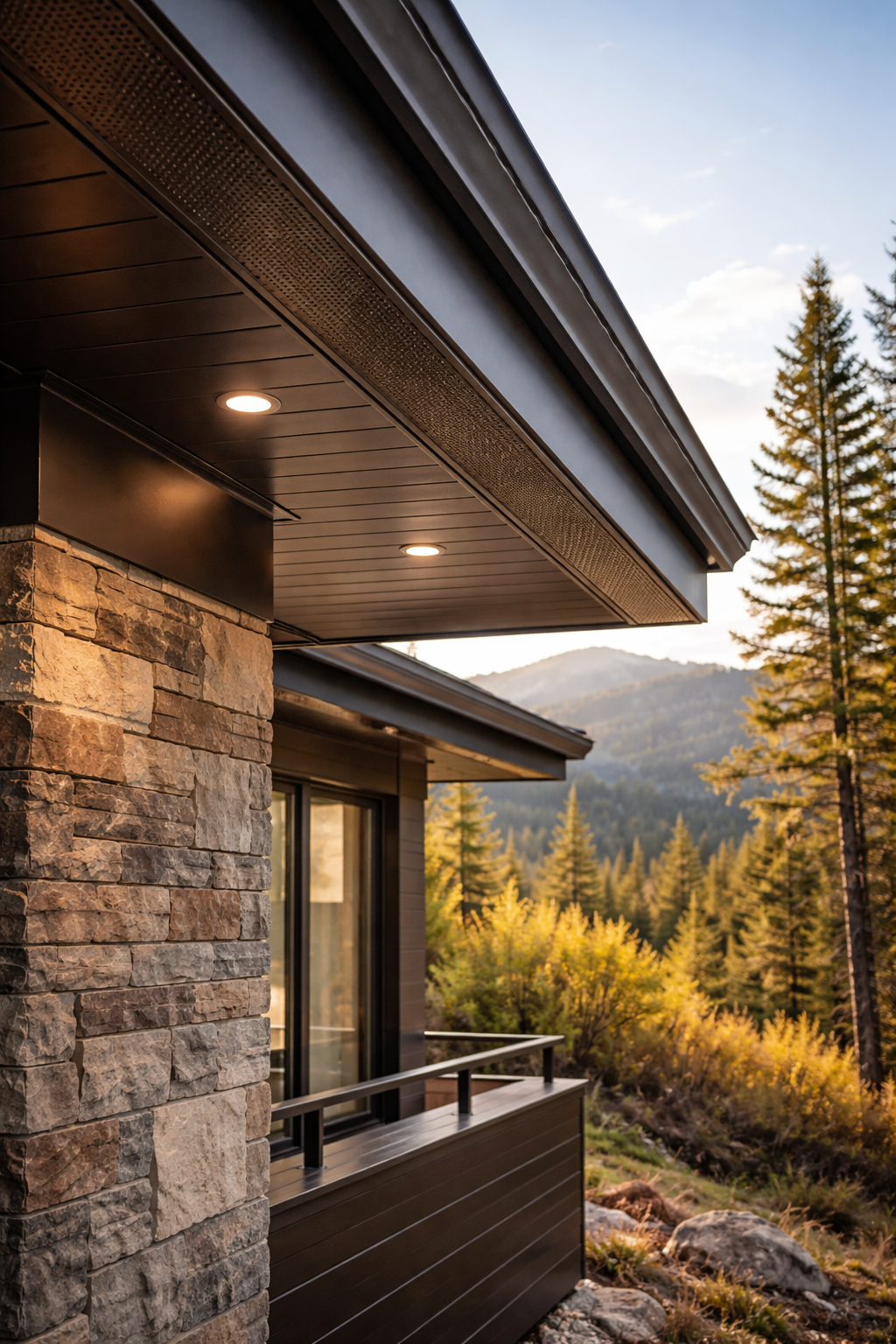
Roof edges, where fascia, soffits, and roofing systems connect are exposed to heat, embers, and debris buildup, making them one of the more vulnerable parts of a home.
In Wildland Urban Interface (WUI) areas, these transitions are an important focus in modern construction. Upgrading to fire-resistant fascia is one way to help strengthen this part of the building envelope as part of a broader home hardening strategy.
What Is Fascia?
Fascia is the horizontal board installed along the edge of a roof. It typically supports the gutter system and creates a finished edge where the roof meets the exterior walls.
While it may seem like a minor detail, fascia plays an important role in protecting the roof structure and maintaining the integrity of the roof edge.
Why Roof Edges Are Vulnerable in Wildfires
Roof edges are one of the most vulnerable areas of a home during a wildfire.
This is due to a few key factors:
- Embers tend to collect along rooflines and edges
- Leaves and debris in gutters can ignite easily
- Heat rises and concentrates near the roofline
- Transitions between materials create small gaps
These conditions make fascia a critical component when it comes to reducing ignition risk at the roof edge.
Material Choice and Fire Resistance
Not all fascia materials perform the same under wildfire conditions.
Wood Fascia
- Combustible
- Can ignite from ember exposure
- More vulnerable over time
Metal Fascia
- Non-combustible
- More resistant to ember ignition
- Better long-term durability
Because of these differences, many WUI homes incorporate metal fascia systems as part of a broader fire-resistant exterior design.
Metal Fascia in WUI Construction
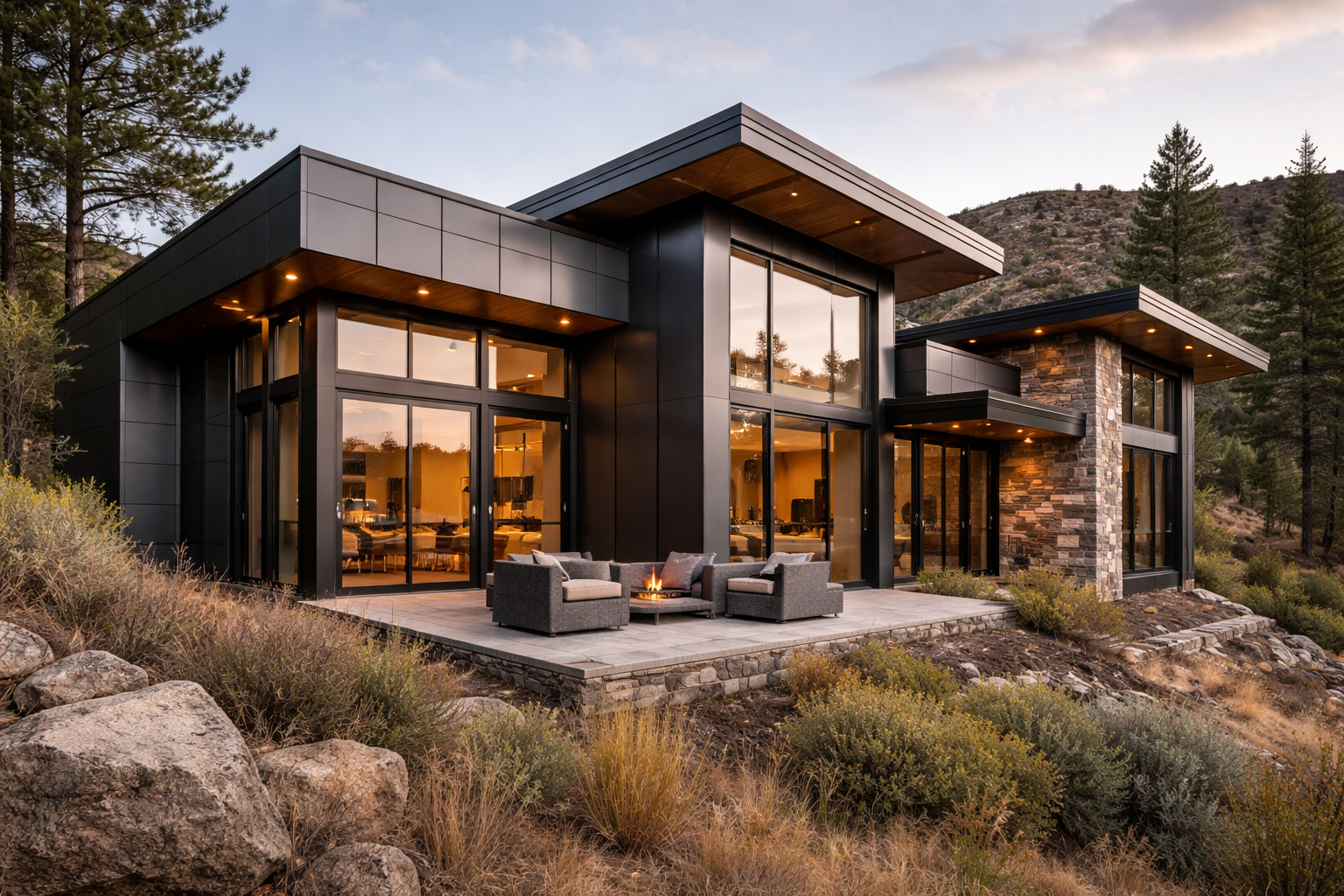
Metal fascia is commonly made from aluminum or steel and is often used alongside metal roofing systems to create a more continuous fire-resistant roof edge.
It is also commonly installed alongside ember-resistant soffits, which help reduce the risk of embers entering through roof overhangs.
Together, these components form a more complete exterior system, especially in wildfire-prone environments.
Fascia as Part of a Home Hardening Strategy
Fascia plays a specific role at the roof edge, but its performance depends on how it’s detailed alongside adjacent materials like soffits and roofing systems.
- Roofing systems
- Soffits and vents
- Wall panels and siding
Roof edges require a different level of attention compared to flat wall or roof surfaces. This is where debris collects, water is managed, and multiple materials intersect.
Because of this, fascia plays a key role in protecting one of the most exposed transition points on a home.
Local WUI Considerations
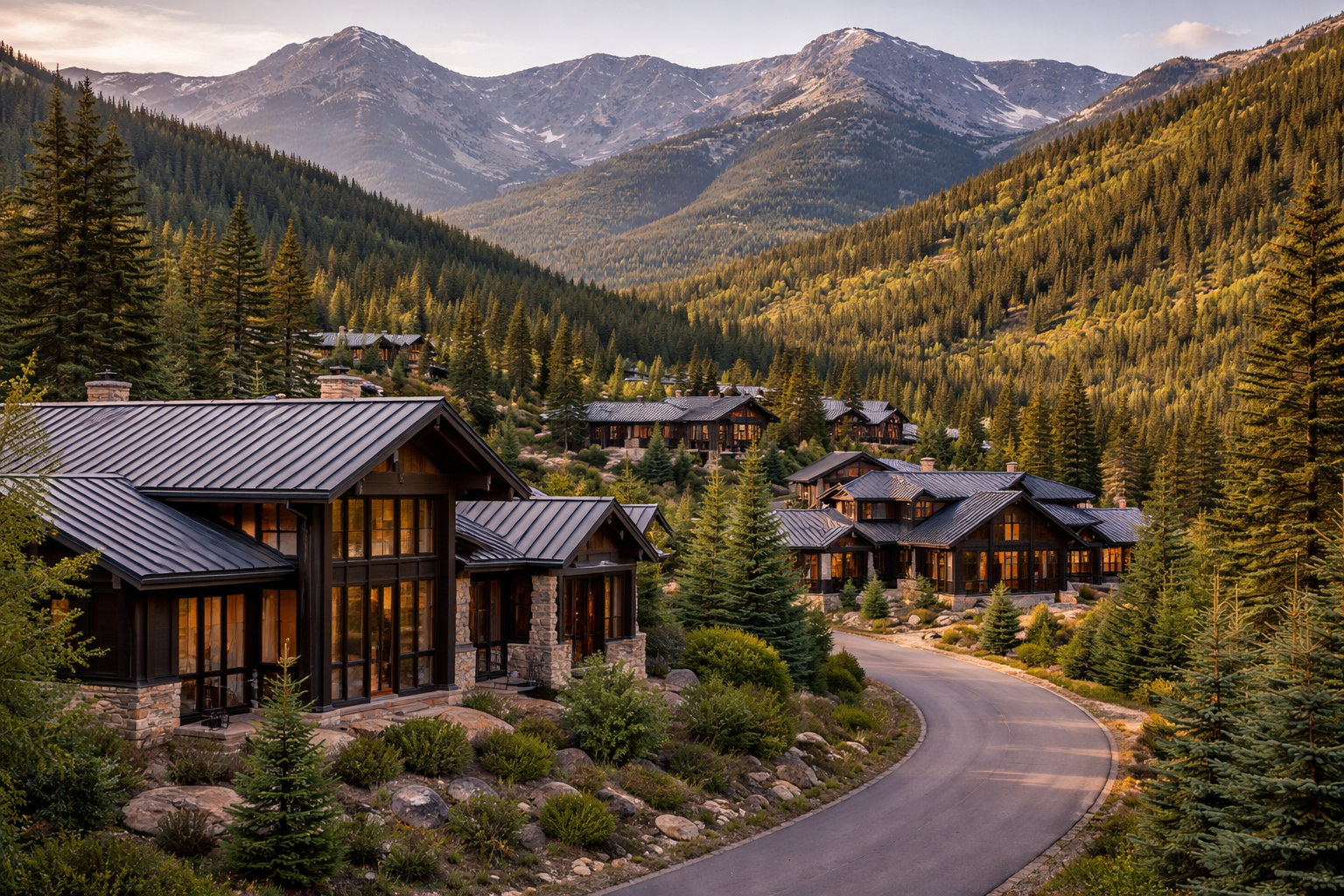
In areas like Park City and other wildfire-prone regions across Utah, construction requirements are continuing to evolve.
Many of these considerations are reflected in local codes, such as the Wildland Urban Interface (WUI) code adopted by Park City. For a broader understanding of how these regulations affect construction, see the WUI building requirements in Utah.
Why Fire-Resistant Fascia Matters
Fascia is often viewed as a finishing detail, but it plays a much larger role in protecting the roof edge.
Upgrading to fire-resistant fascia helps:
- Reduce ember ignition risk
- Improve durability at the roof edge
- Support a more complete home hardening system
In wildfire-prone areas, these small details can have a significant impact.
Home Hardening Checklist for WUI Homes
When evaluating a home for wildfire resilience, consider:
✔ Class A fire-rated roofing
✔ Non-combustible wall systems
✔ Ember-resistant soffits and vents
✔ Fire-resistant fascia and roof edges
✔ Proper installation of all exterior assemblies
Together, these elements help create homes that are better prepared for wildfire risk in mountain communities across Utah and the broader Wildland Urban Interface.