
High-Performance Roofing for Architects. For an architect, a building is a complete thought, a cohesive statement where every line and material contributes to the narrative. The roof is not merely a functional cap on this statement; it is one of its most defining features. Yet, too often, the technical requirements of roofing are seen as a constraint on design rather than an opportunity for its enhancement.
This perspective is outdated. Modern, high-performance roofing systems offer architects an expanded palette of materials and techniques that can elevate a project’s aesthetic, improve its sustainability, and deliver superior long-term value to the client. This is a guide for the design professional who believes, as we do, that performance and design are not mutually exclusive but are, in fact, two sides of the same coin.
Materiality and Form Roofing as a Design Element
The selection of a roofing material fundamentally influences a building’s character. For an architect focused on design integrity, the goal is to find materials that not only perform but also align with the intended visual language of the home. High-performance roofing moves beyond basic asphalt to offer sophisticated options that support a clear architectural vision.
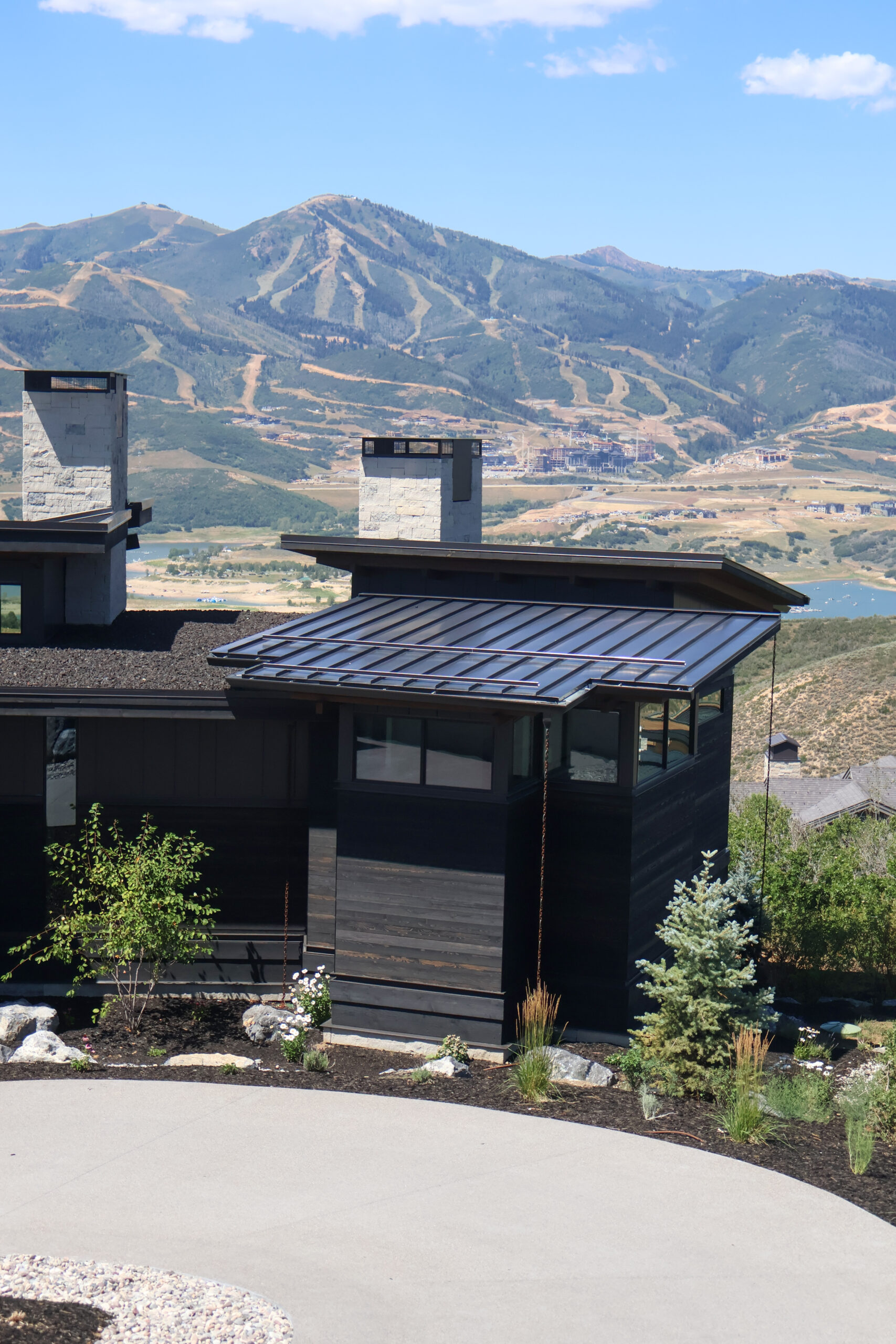
- Architectural Metals for Clean Lines: Standing seam metal roofing offers unparalleled design flexibility. The crisp, clean, vertical lines are ideal for modern and minimalist aesthetics, creating a texture that is both subtle and powerful. With custom fabrication capabilities, components like flashing, ridges, and trim can be designed to appear seamless, ensuring that nothing clunky detracts from the purity of the form.
- Visual Cohesion Through System Design: A high-performance roof is a complete system. This means that functional components like vents, snow guards, and gutters are not afterthoughts but are integrated into the initial design. We work with architects to select low-profile vents and architectural snow guards that match the roof’s finish, ensuring every element contributes to, rather than detracts from, the overall design.
The Intersection of Performance and Sustainability
A building’s value is increasingly measured by its environmental performance. For the architect with an interest in sustainable materials, high-performance roofing offers a compelling story of efficiency and longevity, which in turn enhances the value proposition for the client.
- Energy Efficiency as a Standard: Many high-performance roofing materials, particularly architectural metals, are available with “cool roof” finishes. These highly reflective coatings repel solar radiation, reducing the cooling load on the building during summer months and contributing to significant energy savings over the life of the building.
- Advanced Ventilation Systems: A core component of a high-performance roof is a properly engineered ventilation system. This “cold roof” assembly not only prevents ice dams in the winter but also helps expel trapped heat in the summer, further reducing energy consumption and improving the comfort of the interior spaces.
- Longevity and Lifecycle Value: High-performance materials like architectural metal and premium synthetics have lifespans of 50 years or more, compared to 20-25 years for standard asphalt. This durability means fewer replacements, less waste in landfills, and a lower total cost of ownership for the client—a powerful selling point that reflects well on the architect’s foresight.
Execution is Everything: Protecting the Architectural Vision
An architect’s greatest frustration is a subcontractor who veers from design specs or compromises the visual language of the home. A brilliant design is only as good as its execution. Therefore, a true high-performance roofing partner must demonstrate an unwavering commitment to protecting the architectural vision through meticulous craftsmanship.
This commitment is evident in a partner who:
- Collaborates from the Start: We believe in a collaborative process that begins during the design phase. By reviewing drawings and discussing details before construction starts, we can offer technical insight that helps refine details and ensures the final installation is both beautiful and buildable.
- Respects the Drawings: Adherence to the plan set is non-negotiable. Our teams are trained to understand and execute the fine details that define luxury construction, ensuring that every line, termination, and transition is installed exactly as envisioned by the architect.
- Communicates with Precision: We maintain open, professional lines of communication through structured project meetings and design-phase reviews. When unforeseen site conditions arise, we present solutions, not problems, always with the goal of honoring the design vision.
Conclusion A Partnership in Design
High-performance roofing offers architects the opportunity to make a stronger, more cohesive architectural statement. By choosing advanced materials and a roofing partner who values craftsmanship and collaboration, you can ensure that one of the most critical components of your building is also one of its most compelling design features. This approach doesn’t just create better buildings; it enhances your reputation and makes you look good to your clients.
Frequently Asked Questions
1. How can I ensure my minimalist design isn’t compromised by necessary roofing components like vents and flashing? This is achieved through careful planning and selection of low-profile components. We specialize in sourcing minimalist vents and can custom-fabricate flashing and trim from the same material as the roof for a seamless, integrated appearance that honors the design.
2. What are the key performance indicators for a roofing material in a high-altitude climate? In a climate like Park City, the key indicators are a Class 4 impact rating (for hail), a Class A fire rating, high wind resistance (110 mph+), and superior performance in freeze-thaw cycles. The material must also be compatible with engineered snow retention systems.
3. Do you offer custom fabrication for metal roofing components to match unique design specifications? Yes. We believe that custom fabrication is essential for high-end architectural projects. We can create custom flashing, trim, fascia, and panel profiles to ensure the roofing system perfectly aligns with your specific design details.