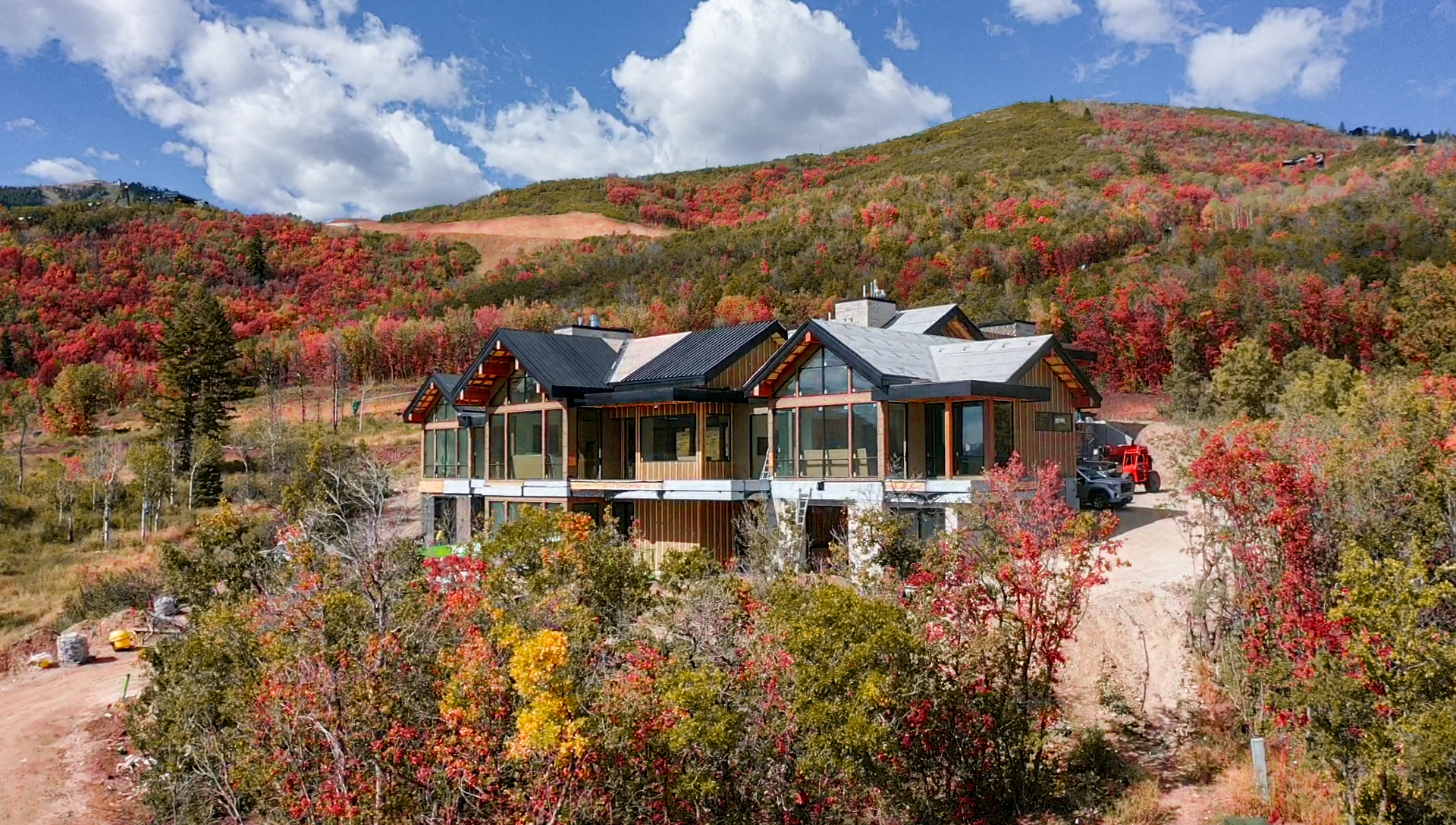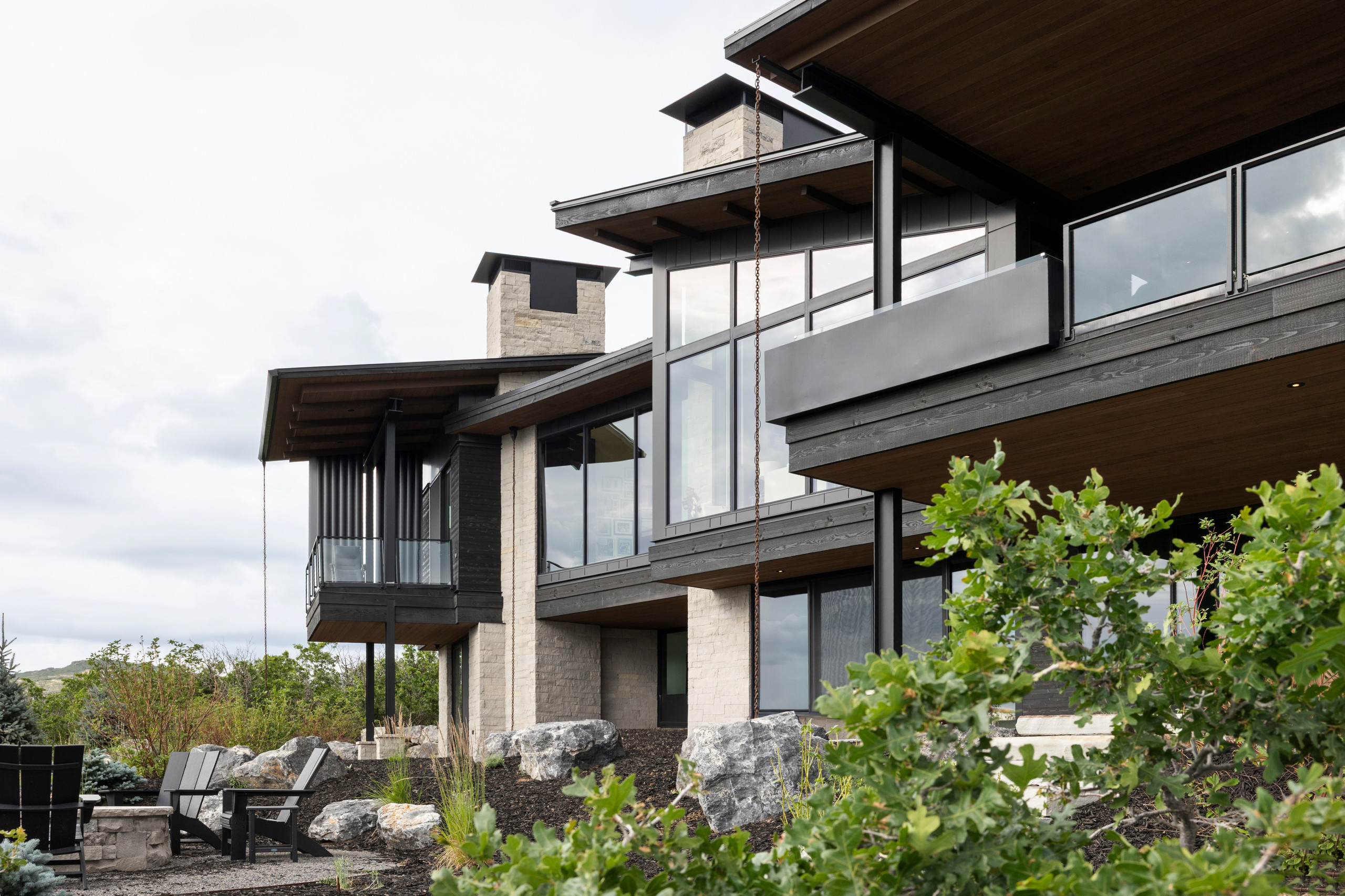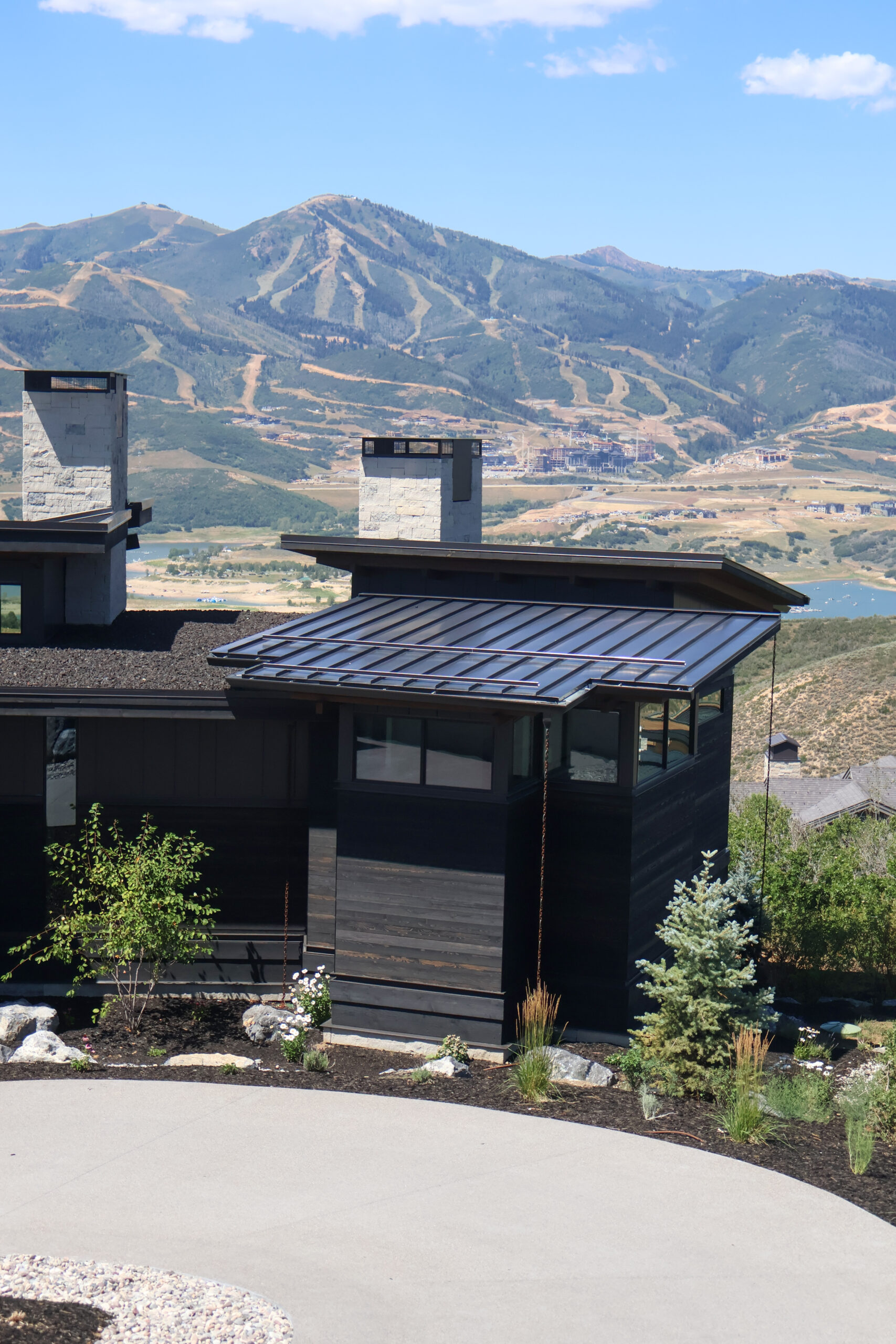

Whether you own or are building a mountain home in Utah comes with unique roofing demands, particularly in the realm of Utah mountain roofing, that are very different from homes in lower elevations or more moderate climates. While the views, privacy, and setting are a major draw, the environment can be significantly harder on a roofing system throughout the year.
Mountain roofs often face prolonged snow loads, repeated freeze-thaw cycles, stronger ultraviolet exposure, seasonal moisture movement, wind exposure, and growing wildfire concerns. These conditions can shorten the lifespan of some materials and expose weaknesses in systems that were not designed or installed with mountain climates in mind.
Understanding the nuances of Utah mountain roofing is essential for homeowners looking to ensure the durability and longevity of their roofs.
Because of that, selecting a roof for a mountain home should involve more than appearance or upfront cost. Long-term performance depends on how well the entire system is built to handle the environment.
How Snow Load Affects Roofs on Mountain Homes in Utah
One of the most obvious challenges for mountain homes is snow accumulation, which is a critical consideration in Utah mountain roofing. In many parts of Utah, roofs can hold snow for extended periods during winter, creating continuous weight on the structure. This is especially important on lower-slope sections, valleys, and areas where drifting naturally occurs.
The challenge is not simply the presence of snow, but how the roof was designed to manage it. Structural capacity, drainage planning, and snow retention systems all need to be considered. Without that planning, a roof may experience unnecessary stress, uneven loading, or premature wear over time.
Snow management should be addressed early in the design process rather than treated as an accessory added after installation.
How Freeze-Thaw Cycles Damage Roofs
Utah mountain climates often fluctuate above and below freezing within the same week, and sometimes within the same day. That repeated movement creates stress across roofing materials and details.
When moisture enters a small opening and freezes, it expands. As that process repeats, minor gaps can become larger entry points for water. This commonly affects flashing areas, penetrations, roof edges, and fastener locations.
A roof may appear intact from the ground while gradual damage is developing in the components that keep water out. This is one reason mountain homes benefit from regular inspections and careful attention to detailing.
Why Snow Melt and Spring Rain Cause Roof Leaks
Winter weather is only part of the equation. As temperatures rise, snow begins to melt and water starts moving rapidly through the roofing system. Combined with spring rainfall, this creates one of the most demanding moisture periods of the year.
Valleys, gutters, downspouts, and transitions need to move water efficiently. If drainage systems are undersized, blocked, or poorly sloped, water can back up into vulnerable areas. Many roof leaks become noticeable during spring because runoff exposes weak points that were hidden under snow during winter.
For mountain homes, roofing systems should be designed for both snow accumulation and efficient drainage once conditions change. Seasonal inspections, such as a spring roof inspection in Park City, can help identify these issues early.
How High Elevation UV Exposure Impacts Roofing Materials
Sun exposure is often underestimated in mountain regions. At higher elevations, ultraviolet radiation is stronger, which can accelerate wear on certain roofing materials and accessories.
Over time, stronger UV exposure may contribute to fading, drying sealants, reduced flexibility in some products, and faster aging of exposed components. Even in cooler temperatures, sunlight can remain a major factor in roof performance.
Material selection should account for local climate conditions, including elevation, not just precipitation and snow. Durable systems such as metal roofing in Park City are often chosen for this reason.
How Wind Impacts Roof Performance in Mountain Areas
Mountain weather can shift quickly, and many homes are located in areas exposed to stronger gusts, canyon winds, or open terrain. Wind affects more than shingles or panels, it also impacts flashing, edge securement, and how moisture is driven into vulnerable locations.
In exposed areas, wind-driven precipitation can reach places that standard rainfall may not. Debris movement can also create wear or block drainage systems.
A roofing system in these locations should be detailed with wind exposure in mind, especially around perimeter edges and transition points.
Wildfire Roofing Risks for Mountain Homes in Utah
Many mountain communities in Utah are located in or near Wildland-Urban Interface (WUI) zones, where homes are closer to vegetation and wildfire risk is higher. In these environments, roofing systems need to address both weather performance and fire resistance.
Roof design should consider ember intrusion risks at vents, soffits, roof-to-wall intersections, and areas where debris can collect. While fire-rated materials are valuable, overall system design is equally important.
Homeowners in mountain areas should evaluate roofing decisions through both a weather-performance and fire-resistance lens, as well as reviewing wildfire protection standards when looking at building materials
What to Look for When Choosing a Roof for a Mountain Home
Most roofing issues do not start in the center of the roof surface. They often begin in the more complex areas of the system where water changes direction, materials meet, or penetrations occur.
Common problem areas include:
- valleys and drainage channels
- flashing at walls and chimneys
- roof edges
- skylights, vents, and penetrations
- transitions between slopes or materials
These areas require careful planning and precise installation, particularly in mountain climates where environmental stress is higher.
What Homeowners Should Prioritize
When selecting or replacing a roof for a mountain home, homeowners should focus on durability, drainage, climate compatibility, and installation quality. Material choice matters, but it should be evaluated alongside the experience of the contractor and the design of the full system.
A lower upfront price can be appealing, but frequent repairs or early replacement often cost more over time. In demanding environments, long-term value usually comes from choosing the right system and having it installed correctly.
Final Thoughts
Mountain homes in Utah require roofing systems built for more demanding conditions than many standard residential environments. Snow load, moisture movement, UV exposure, wind, and wildfire risk all place added stress on the roof throughout the year.
When those factors are accounted for in both design and installation, a roofing system is far more likely to perform reliably for decades.
Frequently Asked Questions
What type of roof is best for mountain homes in Utah?
The best roof for a mountain home in Utah depends on slope, exposure, budget, and long-term goals. In many cases, durable systems such as metal roofing or high-performance composite materials are popular because they handle snow, moisture, and temperature swings well when installed correctly.
How does snow affect roofs in Utah mountain areas?
Heavy snow can place prolonged weight on a roofing structure, especially in valleys, low-slope areas, and sections where drifting occurs. Snow also leads to moisture issues during melt periods, which is why drainage and structural planning are important.
How often should mountain homes have their roof inspected?
Most mountain homes should have the roof inspected at least once per year, with additional inspections recommended after severe winters, heavy storms, or if signs of leaks appear during spring runoff.