
Pre-engineered metal roofing systems have their place. They’re designed for speed, standardization, and cost efficiency on projects where the roof geometry is simple and the performance requirements are straightforward. But for builders working on mountain homes, luxury residences, and complex commercial projects in Utah, pre-engineered options often come up short. That’s why more builders in the Park City and Wasatch Front regions are choosing custom metal roofing for their most demanding projects.
At Viotell Metal Concepts, we fabricate and install custom metal roof systems built around each project’s actual geometry, climate exposure, and design intent. Here’s what’s driving that shift.
What Pre-Engineered Metal Roofing Gets Right
Pre-engineered systems are manufactured at scale. Panels come in fixed widths and lengths, with standard gauge options and a limited but serviceable range of finishes. They’re a solid choice for agricultural buildings, warehouses, simple gable roofs, and commercial structures where speed and budget are the top priorities.
For builders, the appeal is clear: shorter lead times, lower material cost, and a well-documented installation process. On the right project, that’s a smart call.
Where Pre-Engineered Systems Fall Short
Complex roof geometry
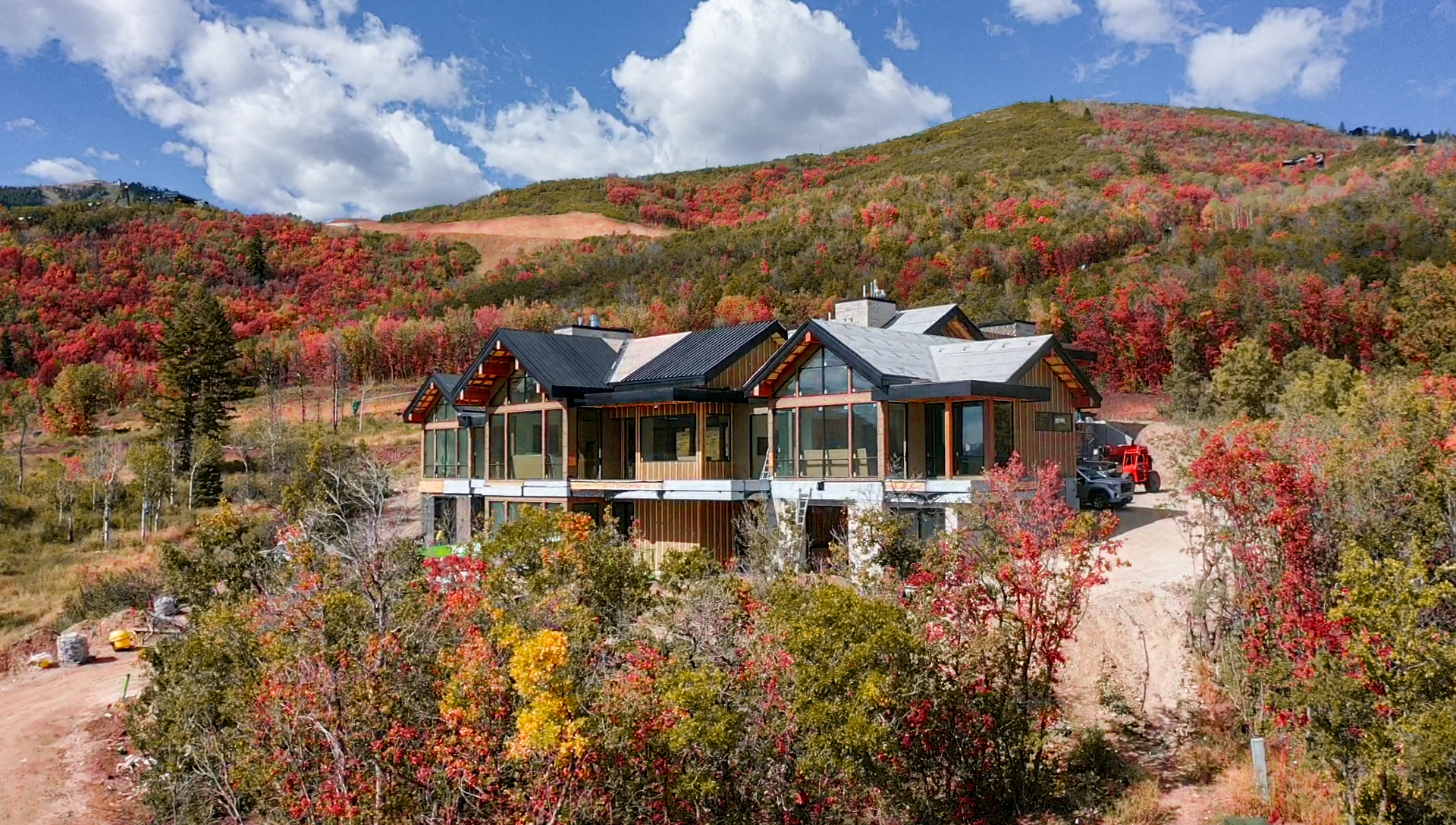
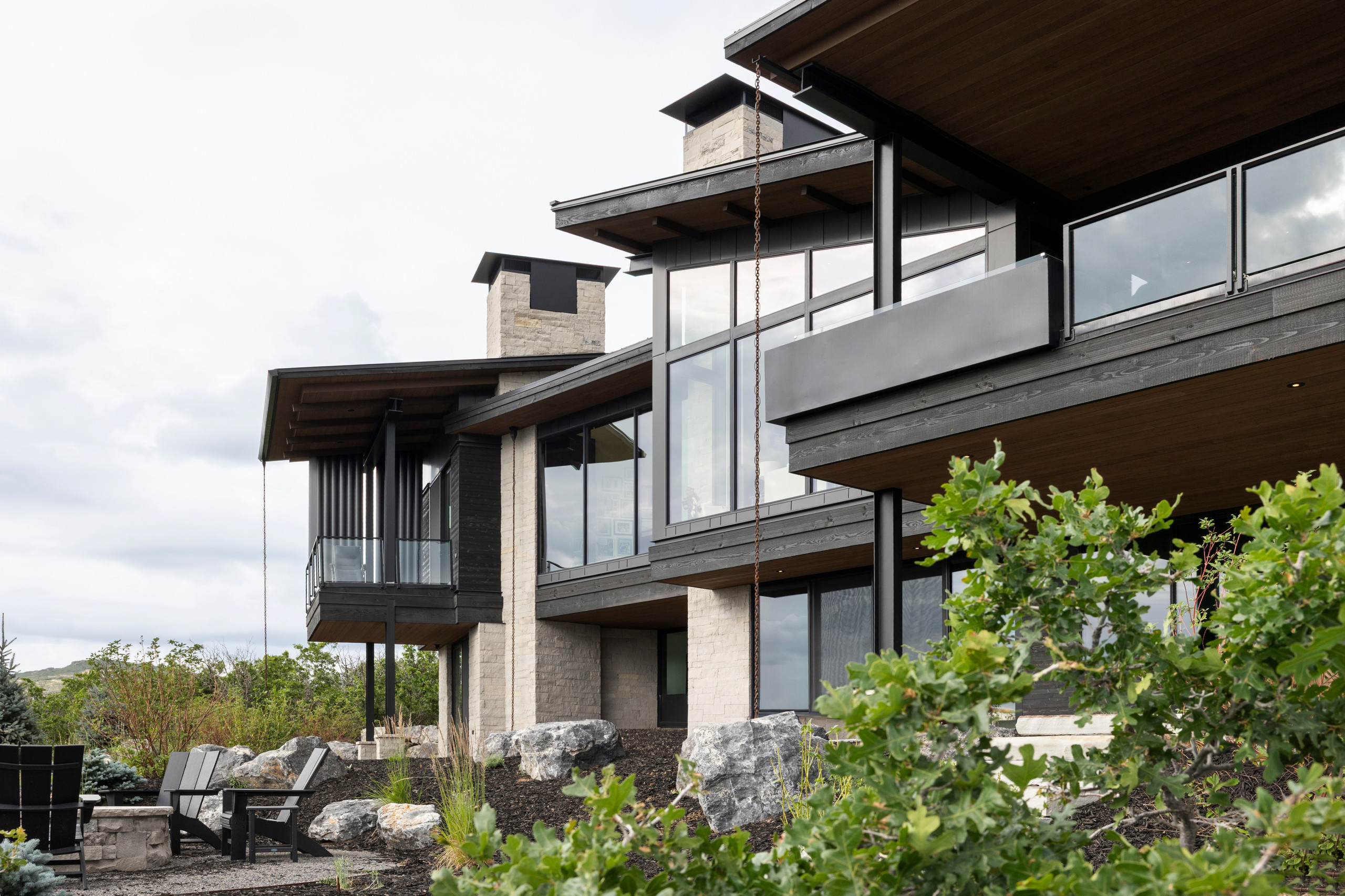
Mountain homes and resort-style architecture rarely have simple roof lines. Steep pitches, multiple valleys, dormers, hip-and-valley intersections, and mixed-material transitions are the norm. Pre-engineered panels aren’t built for those conditions. Field modifications can close the gap in some cases, but cutting and bending standard panels on-site introduces risk and inconsistency.
Snow country demands
Utah’s mountain communities get serious snow, and roofing systems need to account for it. Snow retention planning, heat cable systems, and drain management all require site-specific design. Pre-engineered systems rarely include that level of customization, and adding it after the fact can compromise both performance and aesthetics.
Transition and flashing limitations
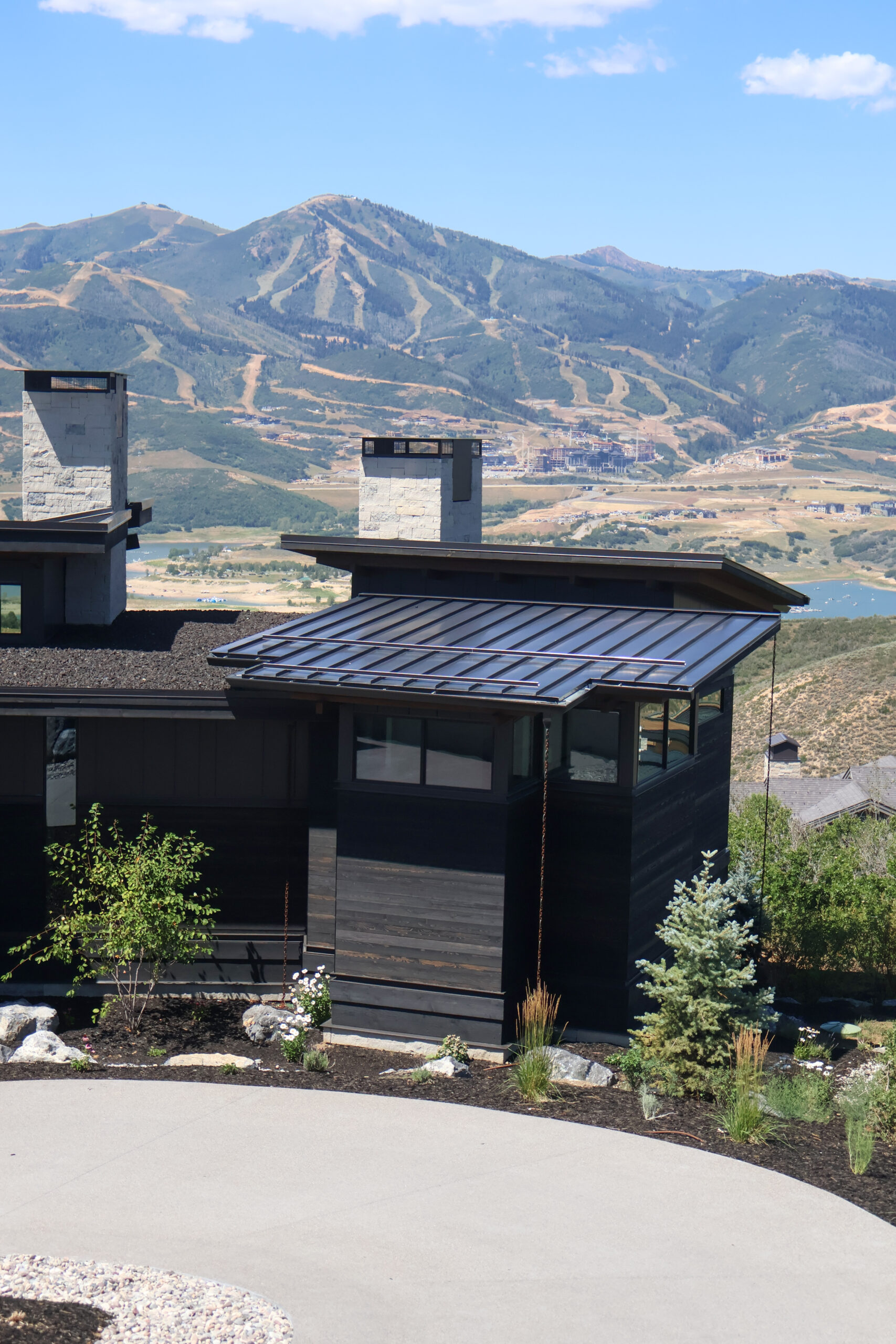
Most roof failures don’t happen in the middle of a panel run. They happen at transitions: where the roof meets a wall, wraps around a chimney, steps down at a level change, or integrates with a skylight. Pre-engineered flashings are made to standard dimensions, which don’t always match the actual conditions on the building. Custom sheet metal fabrication produces flashings and trim pieces that fit precisely, which reduces the risk of leaks and improves the finished look.
What Custom Metal Roofing Actually Means
Custom doesn’t mean overbuilt or unnecessarily expensive. It means each component is designed and fabricated for the project it’s going on. Panel lengths are cut to the actual roof run. Flashings are formed to the real angles of the building. Snow guard layouts are planned around the specific roof geometry, slope, and the areas below the eave line.
At Viotell, custom fabrication happens at our Salt Lake Valley production facility. We control the materials, the tolerances, and the timeline. That gives builders confidence that the components will fit correctly and perform as expected, especially when the project also includes metal wall panels or ornamental metal work that needs to integrate with the roof.
The Builder’s Perspective on Cost
Custom metal roofing costs more per square foot than a pre-engineered system. Builders know this. What experienced builders also know is that total project cost includes callbacks, warranty work, field modifications, and the time lost when something doesn’t fit right.
On a complex mountain home, field-modifying pre-engineered panels can eat up labor hours and still produce a result that doesn’t match the design intent. Custom components arrive ready to install. Fewer field cuts, fewer improvised details, fewer problems two winters down the road.
For builders who are putting their name on the project, that kind of reliability matters. It protects their margin and their reputation.
When to Choose Custom Over Pre-Engineered
The decision usually comes down to project complexity and performance expectations. Custom metal roofing makes the most sense when the roof has steep or compound slopes with multiple intersections, the building is in a heavy-snow environment, the design calls for visible metal with a premium finish, the roof needs to integrate with wall cladding or facade systems, or long-term performance and low maintenance are priorities.
For simpler builds with standard geometry and moderate weather exposure, pre-engineered systems can still deliver good results. The key is matching the system to the project, not defaulting to one approach for everything.
How Viotell Works With Builders
Viotell partners with general contractors and builders across the Wasatch Front, from Park City to Heber City to Salt Lake City. We handle design input, fabrication, and installation with our own team, which simplifies coordination and reduces the number of trade handoffs on the job.
If you’re planning a project that could benefit from custom metal roofing, contact Viotell for a consultation and quote.
FAQ
Is custom metal roofing only for luxury homes?
No. It’s used on any project where the geometry, climate, or design requirements go beyond what pre-engineered panels can handle. That includes commercial, multi-family, and resort properties.
How much longer does a custom metal roof take compared to pre-engineered?
Custom fabrication typically adds a few weeks of lead time. That’s usually offset by a smoother installation with fewer field modifications, so the overall project timeline stays comparable.
Can custom and pre-engineered panels be used on the same project?
Yes. Some builders use pre-engineered panels on simpler sections of the roof and custom fabrication where geometry or transitions require it. This hybrid approach can balance cost and performance when planned from the start.
Does Viotell work with general contractors on commercial projects?
Yes. Viotell regularly partners with GCs on commercial and multi-trade projects across Utah. Visit the partners page for more on how we collaborate.
What happens if a pre-engineered system was installed and it’s not performing well?
Viotell can evaluate the existing system and recommend targeted upgrades, re-detailing at transitions, or a full replacement with custom components. The first step is a site evaluation to understand what’s happening and where.
References
Metal Roofing Alliance. Metal Roofing System Comparison Guide.
Building America Solution Center. Managing Snow Loads on Roofs and Decks.