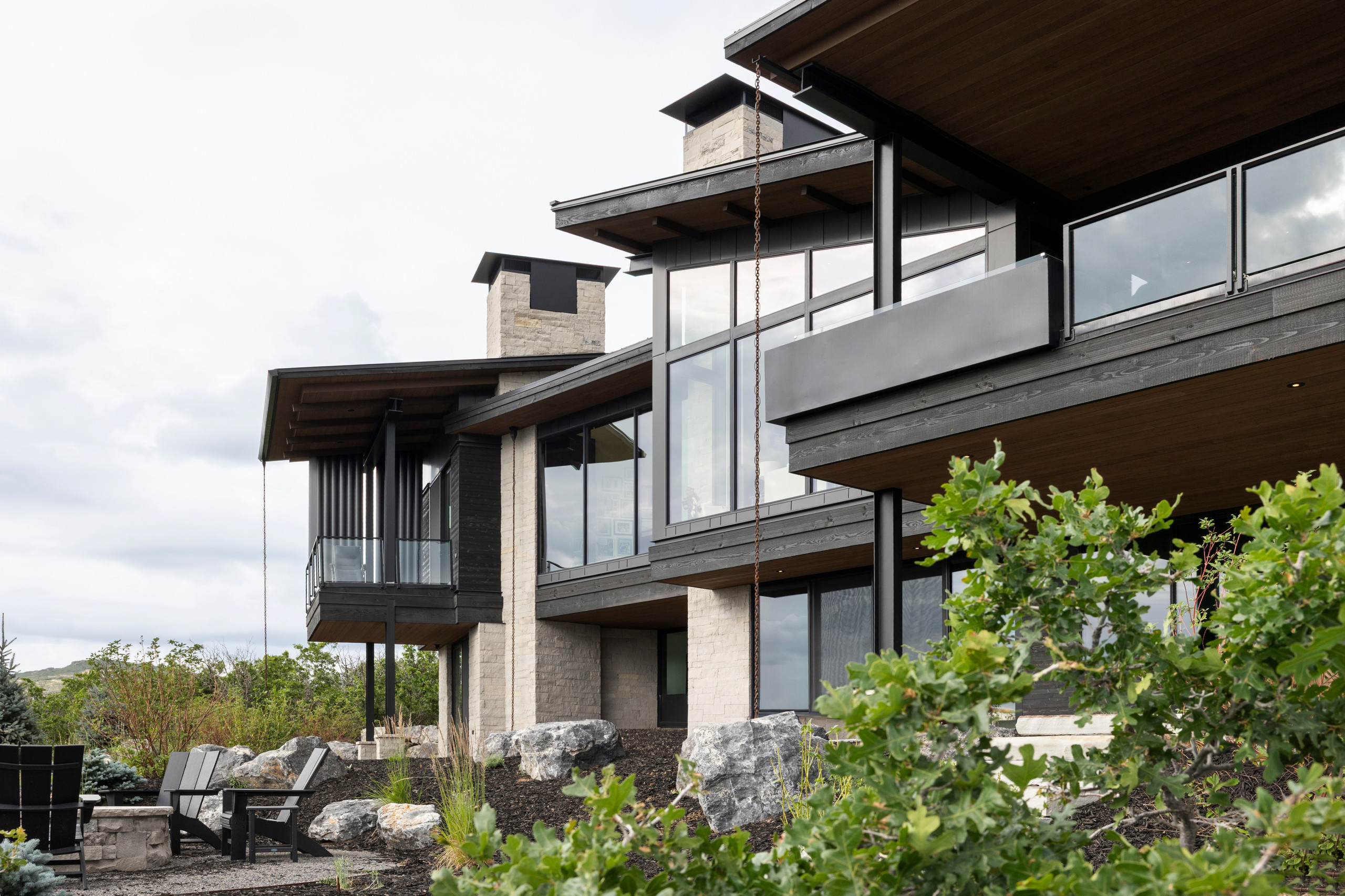
Get Winter-Ready in Park City. Protect Your Home with a Winter Roof Inspection

Written By Anthony Ortega
on November 25, 2025

i 3 Table Of Content

Ready to partner with us?

Projects can be overwhelming if you don't have the right partner. Contact us to start the elevated experience.

Preparing your home for winter in Park City begins with a complete winter roof inspection. Heavy snow, freeze thaw cycles, and long periods of moisture put roofing systems under significant seasonal stress. Completing a pre-winter roof inspection helps identify issues early, prevent ice dams, reduce winter roof leaks, and ensure your home is protected before storms arrive.

A winter roof inspection helps you understand the overall condition of your roof. By identifying weaknesses, moisture concerns, insulation gaps, and drainage issues before the cold settles in, you can take action that prevents costly repairs later in the season.

Why a Winter Roof Inspection Matters in Park City

Park City winters bring heavy snow load, freezing temperatures, and frequent freeze thaw cycles. These conditions can create ideal scenarios for ice dams, winter roof leaks, and winter moisture problems. Without a proper inspection before winter, small roofing issues can quickly become expensive emergencies.

A pre-winter roof inspection ensures your roof is sealed, insulated, ventilated, and draining properly. By addressing these areas early, you help protect your home’s structure and improve the long-term durability of your roofing system.

1. Perform a Complete Pre-Winter Roof Inspection

Begin your preparation by completing a thorough pre-winter roof inspection of the roof’s exterior and attic. Many roofing problems start small and become significantly worse once snow begins to accumulate.

During this inspection, look for:

  • Missing, curling, or cracked shingles
  • Loose or damaged flashing
  • Weak areas in roof valleys
  • Soft or spongy surfaces
  • Exposed nail heads
  • Debris blocking drainage paths

Inside the attic, look for:

  • Moisture stains
  • Frost or condensation
  • Mold or mildew
  • Wet or sagging attic insulation
  • Light shining through the roof deck

If your inspection reveals any structural concerns, schedule repairs before temperatures drop.

2. Clear Gutters and Downspouts to Prevent Ice Dams

Gutters are a major factor in ice dam prevention. When they are clogged, melting snow cannot drain properly, which leads to ice buildup along the roof edge. This is one of the most common causes of winter roof leaks.

During your inspection:

  • Remove leaves, pine needles, and debris
  • Flush gutters to ensure smooth drainage
  • Re-secure loose gutter sections
  • Confirm downspouts direct water away from the home

A properly functioning gutter system is essential for winter protection.

3. Inspect Attic Insulation for Winter Performance

A pre-winter roof inspection should include checking your attic insulation. Inadequate insulation allows warm air to escape into the attic and melt snow unevenly, increasing the risk of ice dams.

Look for:

  • Thin or uneven insulation
  • Moisture damage
  • Compressed or deteriorated areas
  • Exposed attic flooring

Well-installed attic insulation helps regulate roof temperature and reduces heat loss, lowering the risk of winter moisture problems.

4. Check Attic Ventilation

Ventilation works together with insulation to maintain roof performance during winter. Proper airflow helps prevent condensation, mold growth, and uneven snowmelt.

Confirm that:

  • Ridge vents are clear
  • Soffit vents are open
  • Gable vents are functioning
  • Air circulates evenly throughout the attic

These steps help your roof stay dry and balanced during cold weather.

5. Seal Penetrations to Prevent Winter Roof Leaks

Vulnerable areas such as chimneys, skylights, plumbing vents, and roof valleys should be closely inspected. These areas naturally shift with temperature changes, making them prone to leaks.

Inspect and seal around:

  • Chimneys
  • Skylights
  • Roof valleys
  • Plumbing vents
  • Flashing joints
  • Exhaust hoods

Any gaps or cracked caulking should be resealed to prevent winter roof leaks.

6. Strengthen Ice Dam Prevention Measures

Ice dams are one of the most common winter roofing problems in Park City. Improving your prevention strategy before snowfall can significantly reduce damage.

Effective ice dam prevention includes:

  • Improving attic insulation
  • Increasing attic ventilation
  • Keeping gutters clear
  • Repairing sagging gutters
  • Using heat cables on problem areas

A good ice dam prevention plan is one of the best ways to avoid winter roof leaks.

7. Assess Snow Load Capacity

Snow load can put tremendous strain on roofing systems. Take time during your pre-winter roof inspection to identify signs of stress.

Watch for:

  • Sagging rooflines
  • Bowing rafters
  • Cracks in upper interior walls
  • Sticking doors or windows

If heavy snow accumulation is common on your property, consider professional snow removal to protect your roof.

8. Test Heated Roof Systems

If you have heat cables or heated roof panels, testing them before winter is essential. Heated systems reduce ice buildup on the roof edge and improve drainage during warm spells.

Check:

  • Wiring for damage
  • Even heating across cable lines
  • Proper system activation
  • Clear cable placement

Testing early ensures your system performs when you need it.

9. Trim Overhanging Trees and Remove Debris

Branches that hang over your roof can break under snow and ice, causing significant damage. Clearing them before winter reduces risks and keeps your roof surface clean.

Before snowfall:

  • Trim overhanging branches
  • Remove leaves and pine needles
  • Clear roof valleys
  • Ensure water has clear drainage paths

Keeping the roof free of debris improves its ability to shed snow.

10. Schedule a Professional Winter Roof Inspection

While homeowners can complete basic checks, a professional winter roof inspection provides deeper insight. Professionals use tools and experience to identify hidden problems that are often missed.

A professional roof inspection typically includes:

  • Shingle and flashing evaluation
  • Attic insulation and ventilation review
  • Moisture and leak detection
  • Ice dam prevention recommendations
  • Structural assessment

Scheduling this before major snowfall ensures your home is fully prepared.

Final Winter Roof Preparation Checklist

  • Perform a pre-winter roof inspection
  • Clean gutters
  • Inspect attic insulation
  • Check attic ventilation
  • Seal penetrations
  • Improve ice dam prevention
  • Assess snow load
  • Test heated roof systems
  • Remove debris and trim trees
  • Schedule a professional winter roof inspection

Frequently Asked Questions

1. Why is a winter roof inspection important in Park City?

It helps prevent winter roof leaks, ice dams, snow load stress, and freeze thaw damage by identifying issues early.

2. When should I schedule my pre-winter roof inspection?

The best time is early fall before temperatures drop and snow begins to accumulate.

3. Can I do my own inspection?

Homeowners can do basic checks, but a professional inspection gives you a deeper look at hidden issues.

4. How does an inspection help with ice dam prevention?

It identifies ventilation problems, insulation gaps, and drainage issues that commonly cause ice dams.

5. What does a pre-winter roof inspection include?

It covers shingles, flashing, roof valleys, attic insulation, attic ventilation, moisture issues, and drainage systems.

Park City homeowners benefit greatly from preparing early. A detailed pre-winter roof check ensures your roof is strong, secure, and ready to handle everything winter weather brings.
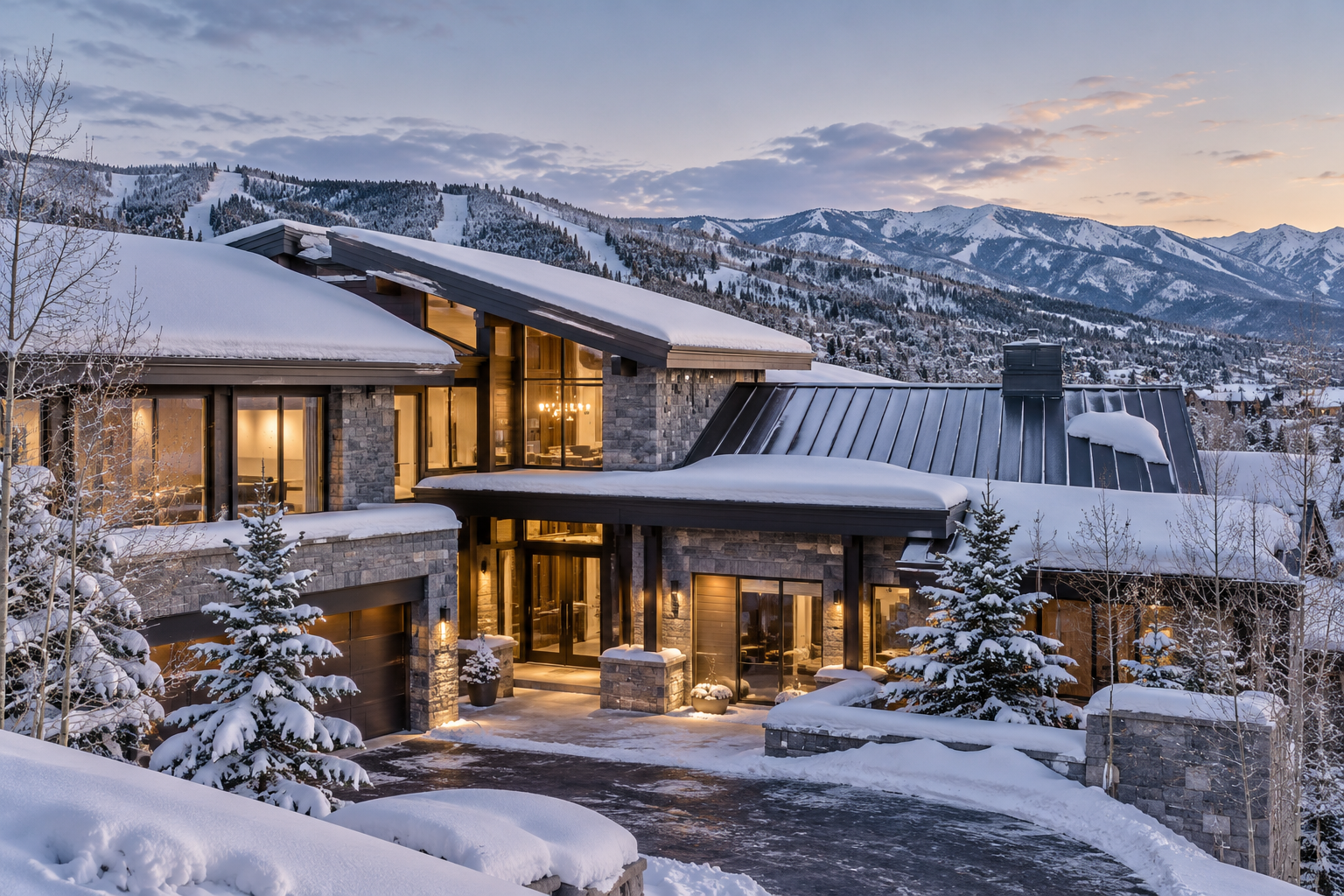
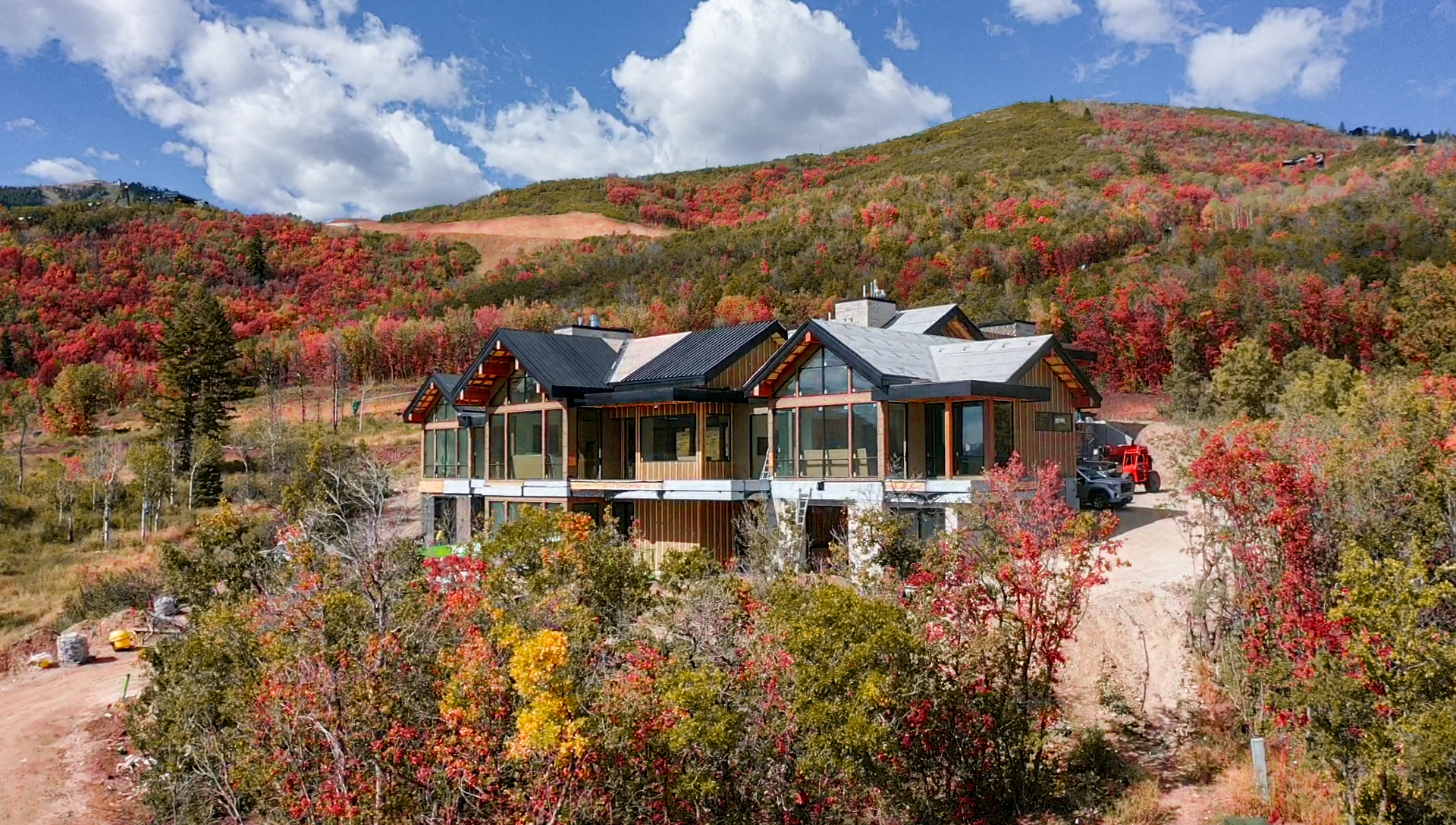
Why a Winter Roof Inspection Matters in Park City

A roof inspection is essential because Park City’s climate puts extreme pressure on roofing systems. Heavy snow load sits on roofs for long periods, while rapid temperature swings cause snow to melt and refreeze over and over. Without a proper pre-winter roof inspection, small roofing issues can quickly turn into major winter hazards.

A roof check allows homeowners to find loose shingles, weak flashing, moisture intrusion, and ventilation issues early. These problems are much easier and more affordable to fix before the first major snowfall.

1. Perform a Complete Pre-Winter Roof Inspection

Start with a thorough pre-winter roof inspection of your entire home. Look closely at the roof surface, roof edges, and any areas that regularly collect snow. Even minor shingle damage can lead to leaks once snow begins to pile up. A roof check should include a detailed check of the attic as well, since attic issues are often the first signs of hidden roofing problems.

Check for:

  • Cracked or curled shingles
  • Missing shingles
  • Soft or spongy spots
  • Rusted or loose flashing
  • Debris buildup
  • Exposed fasteners
  • Evidence of past leaks

Inside the attic during your roof inspection, look for:

  • Moisture stains
  • Mold or mildew
  • Wet insulation
  • Light shining through the roof deck

If your pre-winter roof inspection reveals anything concerning, contact a professional roofer before the weather worsens.

2. Clear Gutters and Downspouts

A roof check is not complete without checking your gutters. Clogged gutters trap water, which later freezes and contributes to ice dams. Proper drainage is essential during winter, and your roof inspection should confirm that water can move freely off the roof.

During your inspection:

  • Remove debris from gutters
  • Confirm water flows through the downspouts
  • Tighten loose gutter sections
  • Look for cracks or sagging
  • Ensure downspouts drain away from the foundation

Clear gutters support a healthier roof throughout winter.

3. Inspect Attic Insulation

Your pre-winter roof inspection should include an evaluation of your attic insulation. Poor insulation lets heat rise into the attic and warm the roof surface, causing uneven snowmelt that leads to ice dams.

Check for:

  • Gaps in insulation
  • Areas with moisture
  • Compressed or damaged insulation
  • Exposed attic floors

Proper insulation contributes to a more effective roof inspection because it directly affects roof performance during cold months.

4. Check Roof Ventilation

Ventilation plays a major role in winter roof durability. A roof inspection must include checking attic airflow, since poor ventilation causes condensation, moisture damage, and ice dam formation.

During your pre-winter roof inspection, verify these points:

  • Ridge vents are clear
  • Soffit vents are unobstructed
  • Gable vents are functional
  • Airflow moves freely through the attic

Good ventilation improves long-term roof performance and helps prevent costly winter damage.

5. Seal Penetrations and Leak-Prone Areas

A roof inspection should always include a detailed check of the most common leak areas. These areas include chimneys, skylights, plumbing vents, and flashing around roof joints. Temperature shifts make these areas vulnerable during winter.

Inspect and seal around:

  • Vents
  • Chimneys
  • Skylights
  • Roof valleys
  • Flashing joints

If your roof inspection shows cracked caulking or gaps, reseal these areas immediately.

6. Prepare for Ice Dam Prevention

Ice dams are one of the biggest reasons roof inspection is so important in Park City. Preventing ice dams starts with the steps your pre-winter roof inspection identifies: fixing insulation, improving ventilation, and ensuring proper water flow.

Prevent ice dams by:

  • Adding insulation
  • Improving ventilation
  • Clearing gutters
  • Installing heat cables
  • Ensuring proper roof slope and drainage

A winter roof inspection makes it easier to pinpoint problem areas before ice dams form.

7. Assess Snow Load Risks

Snow load is a major concern in Park City. Your pre-winter roof inspection should evaluate the roof structure for early signs of stress.

Look for:

  • Sagging rooflines
  • Bowed rafters
  • Cracks in walls
  • Sticking windows or doors

A roof inspection helps determine whether you may need snow removal services during heavy storms.

8. Test Heated Roof Systems

If your home has heated roof cables or panels, your pre-winter roof inspection should include testing these systems. Heated systems can significantly reduce ice dam risks.

During testing, check:

  • Cables for damage
  • Whether the system activates properly
  • If heating elements warm evenly
  • Whether debris is obstructing cables

Heated systems are a valuable addition to any winter roof inspection.

9. Trim Overhanging Trees and Clear Debris

Tree branches can break under snow and damage your roof. Your pre-winter roof inspection should include checking for branches that hang over the roof.

Before snowfall:

  • Trim branches
  • Remove pine needles
  • Clear debris from roof valleys

This step supports your winter roof inspection by preventing unnecessary winter hazards.

10. Schedule a Professional Inspection

Although homeowners can perform many steps on their own, a professional roof inspection offers deeper insight. A professional roofer can identify hidden damage, evaluate long-term roof health, and ensure every part of the roof is winter ready.

A professional pre-winter roof inspection includes:

  • Flashing evaluation
  • Shingle condition review
  • Moisture testing
  • Ventilation assessment
  • Insulation inspection
  • Structural check

Professional inspections make sure your home is fully prepared for winter storms.

Final Roof Preparation Checklist

  • Complete winter roof inspection
  • Perform a full pre-winter roof inspection
  • Clean gutters and downspouts
  • Confirm proper attic insulation
  • Check ventilation
  • Seal roof penetrations
  • Complete ice dam prevention
  • Assess snow load risk
  • Test heated roof systems
  • Trim trees and clear debris
  • Schedule professional winter roof inspection

Frequently Asked Questions

1. Why is a roof inspection important in Park City?

A winter roof inspection helps prevent leaks, ice dams, and structural issues by identifying problems before snow arrives.

2. When should I schedule my pre-winter roof inspection?

The ideal time for a pre-winter roof inspection is early fall, giving you time to repair anything found during the inspection.

3. Can I perform my own winter roof inspection?

You can complete basic checks, but a professional winter roof inspection identifies hidden problems that homeowners often miss.

4. How does a winter roof inspection prevent ice dams?

A winter roof inspection identifies issues with insulation, ventilation, and drainage that contribute to ice dam formation.

5. What does a pre-winter roof inspection usually include?

A pre-winter roof inspection includes checking shingles, attic insulation, ventilation, flashing, moisture levels, and structural stability.