The answers to all
your questions
- Viotell Metal Concepts
- $
- FAQ
Utah Roofing Services
We have the experience and history of success to execute even the most challenging projects.

Ready to partner with us?
Projects can be overwhelming if you don’t have the right partner. Contact us to start the elevated experience.
Yes, when properly installed by a certified electrician, self-regulating heat cable systems are safe and highly effective. They must be UL-rated and matched to the specific roof material and power supply.
Heated roof panels are more effective for Park City-level snowfall. Panels melt full edges and valleys, while heat cable only opens narrow channels. Panels are recommended for roofs with chronic ice dams or shaded slopes.
Yes. Because of heavy snow loads, moisture, and cold roof designs, mountain homes need stronger ventilation systems than homes on the Wasatch Front. Poor ventilation = ice dams 100% of the time.
Yes — most Utah cities require a permit for roof replacements. This ensures the work meets state and local building codes, including ice-and-water shield requirements and proper ventilation.
Metal roofing performs extremely well in hail, but large storms can still cause cosmetic dents. The good news: most dents don’t affect performance, and many metal panels are impact-rated for Utah’s hail zones.
Sometimes, yes — but only if the current roof is flat, dry, structurally sound, and up to code. Mountain homes with heavy snow loads usually require a full tear-off to avoid moisture trapping and sagging.
Yes, we often fabricate and install interior metal wall panels and ceiling systems to bring a high-end, cohesive architectural feel to lobbies, offices, and residential feature walls.
Absolutely. Our custom fabrication allows us to match the color, finish, and material of your roofing (metal or shingle) or other architectural accents for a cohesive look.
Yes, for repairs. For replacements, we usually need clear, dry surfaces for safety and proper adhesion. We’ll tell you exactly what’s possible once we see the conditions.
Heated roof panels are one of the most effective ways to prevent ice dams in Park City. They melt channels through snow and ice, allowing water to drain safely instead of refreezing at the eaves.
If you get recurring ice dams, heated roof panels are a smart investment. They prevent water backup and protect your home. They’re not just “luxury” — they’re functional, especially on complex roofs.
Yes, our expert craftsmen handle the entire process from initial concept and design to in-house fabrication and final installation, ensuring quality control at every step.
While our primary focus is supporting Viotell’s installation projects, we occasionally consult and collaborate with General Contractors and architects to ensure their metal components will work with design intent.
No. When installed correctly using non-penetrating clips and methods by certified professionals (especially on metal roofs), heat cable systems are recognized as necessary ice mitigation and do not void standard warranties.
Snow retention is typically for sloped roofs. For low-slope roofs, management usually focuses on drain access (melting around drains) and structural evaluation of the snow load capacity.
We install sophisticated controls, ranging from manual switches to advanced sensors that automatically activate the system based on temperature and moisture, ensuring operation only when conditions favor ice formation.
Look for things that feel “off” — leaks, stains on ceilings, missing shingles, sagging areas, rusted metal, or ice dams forming every winter. If something looks different from last year, it’s worth an inspection.
Compare roof framing to local design snow loads: Salt Lake Valley averages 30–40 PSF, while Park City and Heber can exceed 100 PSF. If your home was built before updated snow-load standards, a structural evaluation is recommended.
We design our systems to incorporate high-performance insulation and vapor barriers, significantly reducing thermal bridging and heat transfer, making them critical components of high-performance building envelopes.
As metal roof specialists, we utilize non-penetrating retention systems (like standing seam clamps) whenever possible, which preserves the integrity and warranty of the roof panel system.
Higher elevations like Park City reduce roof lifespan due to stronger UV exposure, faster freeze-thaw cycling, and heavier snow. Asphalt roofs that last 30 years in the valley may only last 18–22 years in the mountains. Metal roofing maintains a 50–70+ year lifespan even at 7,000+ feet.
By controlling both fabrication and installation, we eliminate delivery delays and the common issue of mismatched parts. The installers are working with materials they know are precisely correct for the job ensuring quality assurance from start to finish.
Dry air and high UV exposure accelerate granule loss and shingle brittleness. South-facing slopes age fastest. Homes at elevation experience more solar intensity, which shortens shingle life substantially compared to humid climates.
A metal roof in Utah usually lasts 50–70+ years, even with heavy snow, ice, and high UV exposure. Proper installation and high-quality underlayment are essential for long-term performance.
The timeline varies greatly based on project complexity, material selection, and current workflow. After the initial consultation, we provide a detailed timeline for design approval, fabrication, and installation.
Asphalt shingles last about 20–30 years in Utah. Metal roofs last 40–70+ years. But high elevation, freeze/thaw cycles, and heavy snow loads can shorten lifespan if the system wasn’t installed correctly.
Roof replacements in Utah typically range from $12,000–$25,000+ for asphalt shingles and $40,000–$100,000+ for metal roofs on luxury or mountain homes. Pricing varies based on size, pitch, snow load requirements, and materials.
Every roof has a different engineered snow load. If you’re seeing deep, heavy, wet snow or ice buildup, it’s a good time to call for a check. Homes in the Wasatch Back are built for more weight, but neglect is where problems begin.
You can prevent ice dams by improving attic insulation, increasing ventilation, installing ice-and-water shield, adding heated roof panels, and ensuring proper roof design. A yearly inspection before winter is highly recommended.
Remove excessive snow, improve attic ventilation, reinforce weak roof sections, install snow retention or snow-guard systems, and use high-quality materials designed for alpine climates.
If more than 20–30% of the roof is damaged, or if the roof is older than 20–25 years, replacement may be the better option. Isolated leaks or small areas of damage can often be repaired.
Always better to repair now. Utah winters make small issues worse — leaks, ice, and snow creep under roofing materials fast. Fixing it early saves thousands.
Yes. Metal roofs in Park City, Heber, and the Wasatch Back are designed to shed snow quickly. If you aren’t using snow-retention systems, snow can be released in big slides. Adding snow guards protects walkways, decks, and landscaping.
Yes — 100%. It sheds snow, handles ice, resists wind, looks incredible on mountain homes, and lasts decades longer than shingles. Most luxury homes in PC choose metal for a reason.
Yes, all our custom chimney caps include durable, integrated screening engineered to prevent birds, squirrels, and other pests from nesting in the flue without obstructing draft.
Not necessarily. Some repairs can absolutely be done in winter, but full replacements depend on temperatures, snow, and safety. We can usually handle winter repairs, but for big projects, spring and fall create better conditions.
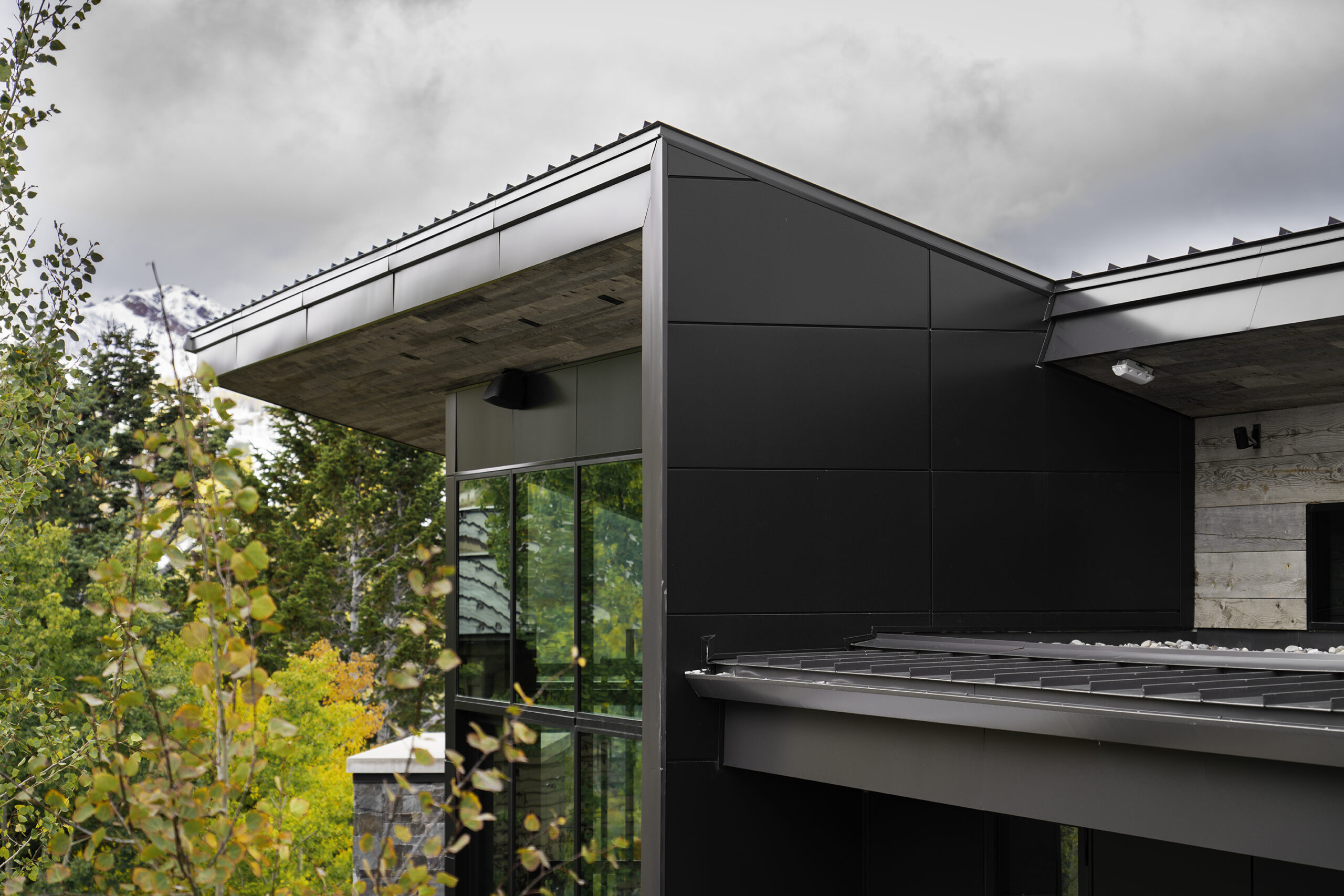
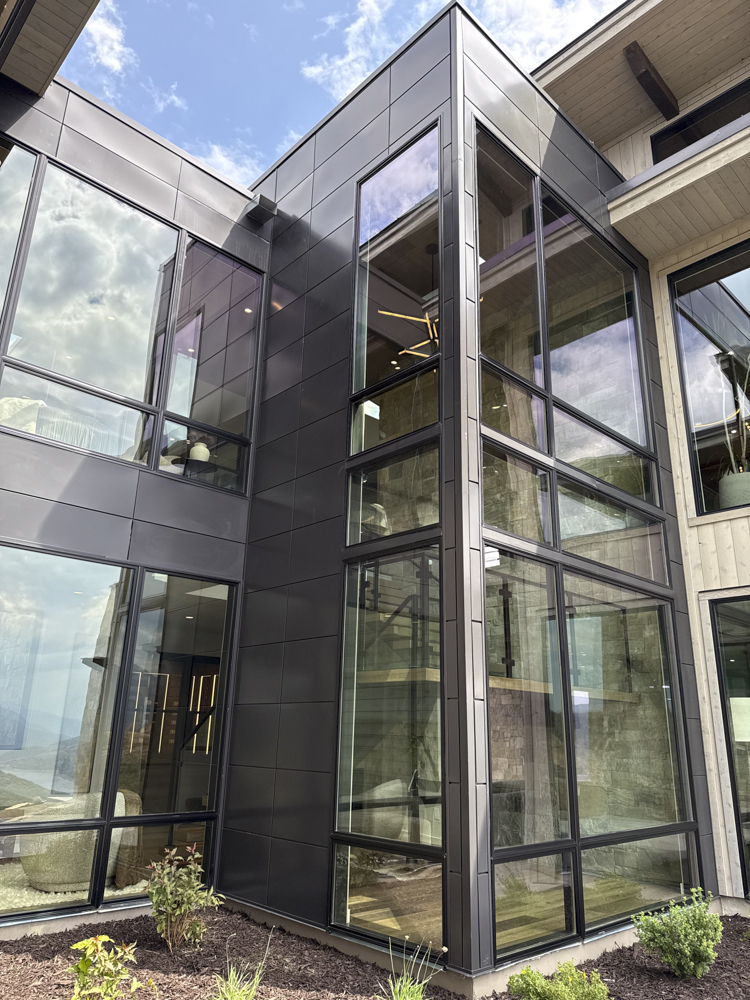
ACM wall panels are aluminum composite materials known for their lightweight construction, flat appearance, and durability. In Utah, ACM wall panels are commonly used on commercial buildings, modern residences, and architectural façades where clean lines and long-term performance are required.
We install various types, including ACM (Aluminum Composite Material), Solid Plate Panels, and various Single-Skin/Ribbed Profiles, all selected based on aesthetic goals and performance requirements.
Common signs include ice dams, leaks, ceiling stains, cracked shingles, bent metal panels, loose flashing, sagging areas, and excessive snow buildup. Homes in Deer Valley, Promontory, and The Colony often see damage after large storms
Utah contractors must follow the building codes adopted by each city or county, which are based on the International Residential Code (IRC). During a roof replacement, these codes typically include:
- Tear-off requirements when multiple layers or damaged decking are present
- Ice-and-water shield installed at eaves and valleys (required in most Utah municipalities)
- Proper attic ventilation to meet IRC ventilation ratios
- Manufacturer-approved underlayment, including high-temperature underlayment for metal roofs
- Correct fastener patterns and installation methods to meet local wind and snow-load ratings
Following these standards ensures the roof meets Utah’s snow, wind, and freeze-thaw performance requirements and protects both manufacturer and workmanship warranties.
Ice dams form when attic heat, solar gain, and valley geometry melt snow unevenly. Even well-insulated homes can develop ice dams if ventilation is inadequate or if roof design traps snow in valleys or low-slope connections.
Custom fabrication is our specialty. We take precise measurements to design and build a cap tailored exactly to non-standard, multi-flue, or historically complex chimneys.
Self-regulating cable automatically increases heat output as the temperature drops and reduces it as the temperature rises, making it highly energy efficient and preventing overheating.
The best roofing materials for Utah winters are metal roofing, architectural shingles, and synthetic slate because they shed snow, handle freeze-thaw cycles, and resist high winds. Metal is the top performer in Park City and the Wasatch Back.
The best time for roof replacement in Utah is late spring through fall, when temperatures allow shingles and underlayment to seal properly. However, emergency repairs can be done year-round.
Snow Guards (individual pads/blocks) use friction to keep snow in place across the entire roof surface. Snow Fences/Rails (continuous bars) create a structural barrier to halt the snow mass right at the roof edge.
When installed correctly, high-quality metal wall panels are expected to last 40 to 60 years or more, often outliving the structure’s original warranty period with virtually no maintenance.
Mountain roofs are engineered for heavy snow loads, extreme temperatures, ice-dam prevention, proper ventilation, and durable materials like metal or high-grade shingles. They must perform on a completely different level than a typical city home.
We primarily recommend Copper for its longevity and elegant patina, and Kynar 500-finished Steel/Aluminum for its color options and exceptional durability against fading and weathering.
Impact-rated materials like Class 4 shingles and standing seam metal may qualify for discounts because they resist hail and wind damage. Some insurers in Utah reduce premiums for homes with metal roofing systems due to fire resistance and durability.
High-altitude areas require ice-and-water shield on all eaves and valleys, plus a high-temperature underlayment for metal roofs. Utah’s hot summers + cold winters demand materials that won’t crack, curl, or melt.
Roofs with standing seam metal, high-temp underlayment, and engineered snow-retention systems perform best in Utah’s mountain regions. Metal sheds snow efficiently, won’t warp from freeze-thaw cycles, and is rated for higher snow loads than asphalt shingles.
We fabricate all critical elements of a metal system, including custom coping, base flashing, counter flashing, scuppers, collector heads, specialty edge metal, custom gutters, and roof penetration components.
Heat cable warms small channels, while heated roof panels melt entire roof edges and valleys. In Utah’s colder zones, heated panels work far better, last longer, and prevent ice dams more consistently.
Cables are primarily installed in the eave edge (the bottom 2-3 feet of the roof), valleys, and inside gutters and downspouts—the areas most prone to ice dam formation. Learn more about How to Prevent Ice Dams.
High UV exposure in Utah, especially at higher elevations, burns through asphalt shingles faster than in other states. Granule loss can also come from snow sliding, poor installation, or age.
Usually both. Ice dams form when heat escapes into your attic, melts the snow, and it refreezes at the eaves. Poor ventilation, poor insulation, and bad roof design all contribute. A proper inspection will tell you the root cause.
Utah homes often deal with ice forming inside gutters, blocking the flow even if they’re debris-free. Poor slope, undersized gutters, or missing heat cable can cause overflow during snowmelt.
Utah building code requires ice-and-water shield at all eaves because snowmelt often backs up under shingles during freeze-thaw cycles. Mountain homes should extend it 2–6 feet past the interior wall line and cover all valleys and penetrations to prevent ice-dam leaks.
If your attic feels hot in the winter, warm indoor air is leaking upward. This is common in Utah homes and causes ice dams, mold, and insulation breakdown. Proper sealing and ventilation fix it.
n Utah’s colder areas, roofs expand and contract during freeze-thaw cycles. Those popping sounds are usually the roof decking reacting to temperature swings. It’s normal, but excessive noise can signal ventilation or moisture issues.
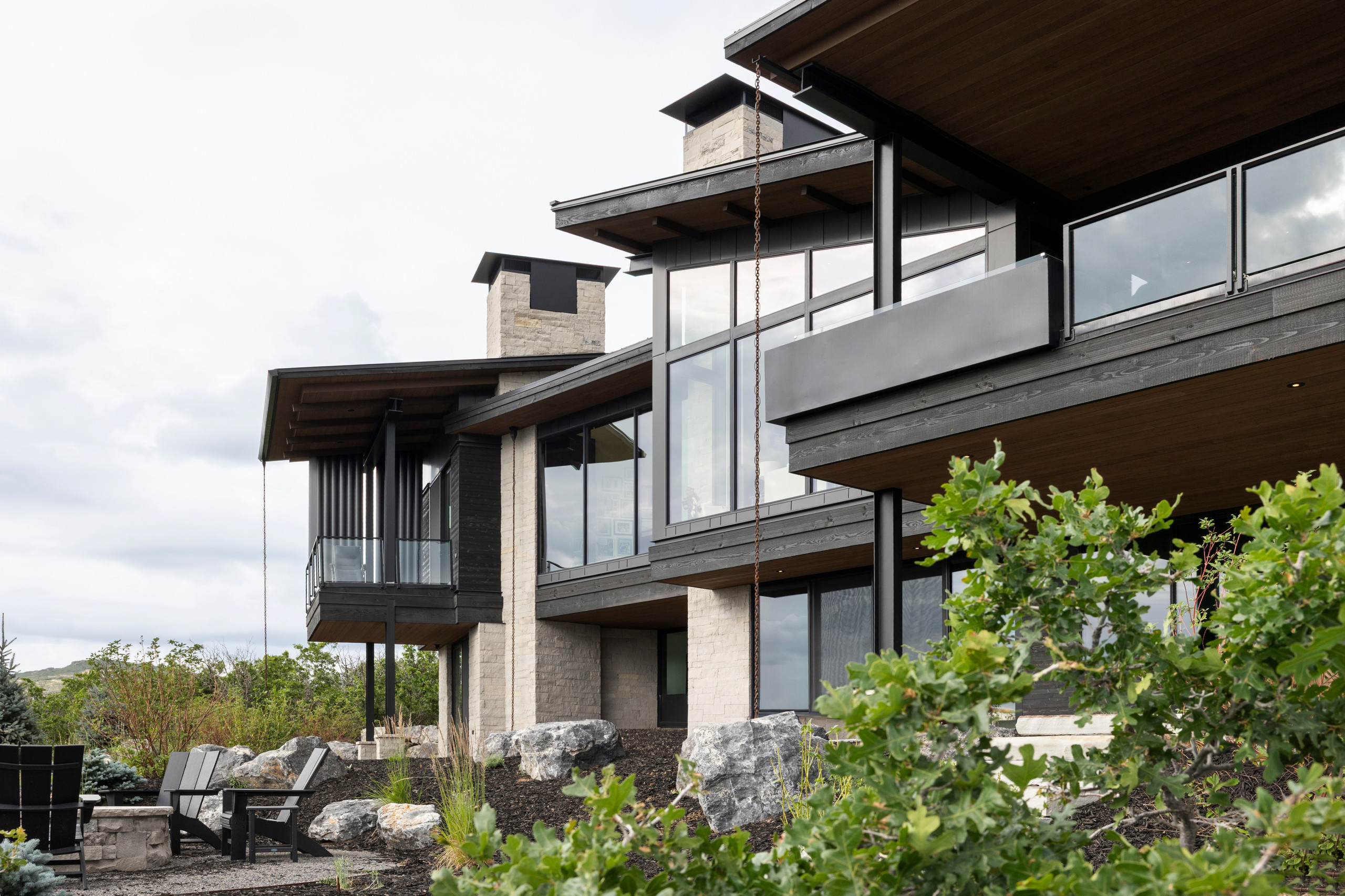
ACM C-Channel: What It Is and Where It’s Used in Architectural Wall Systems
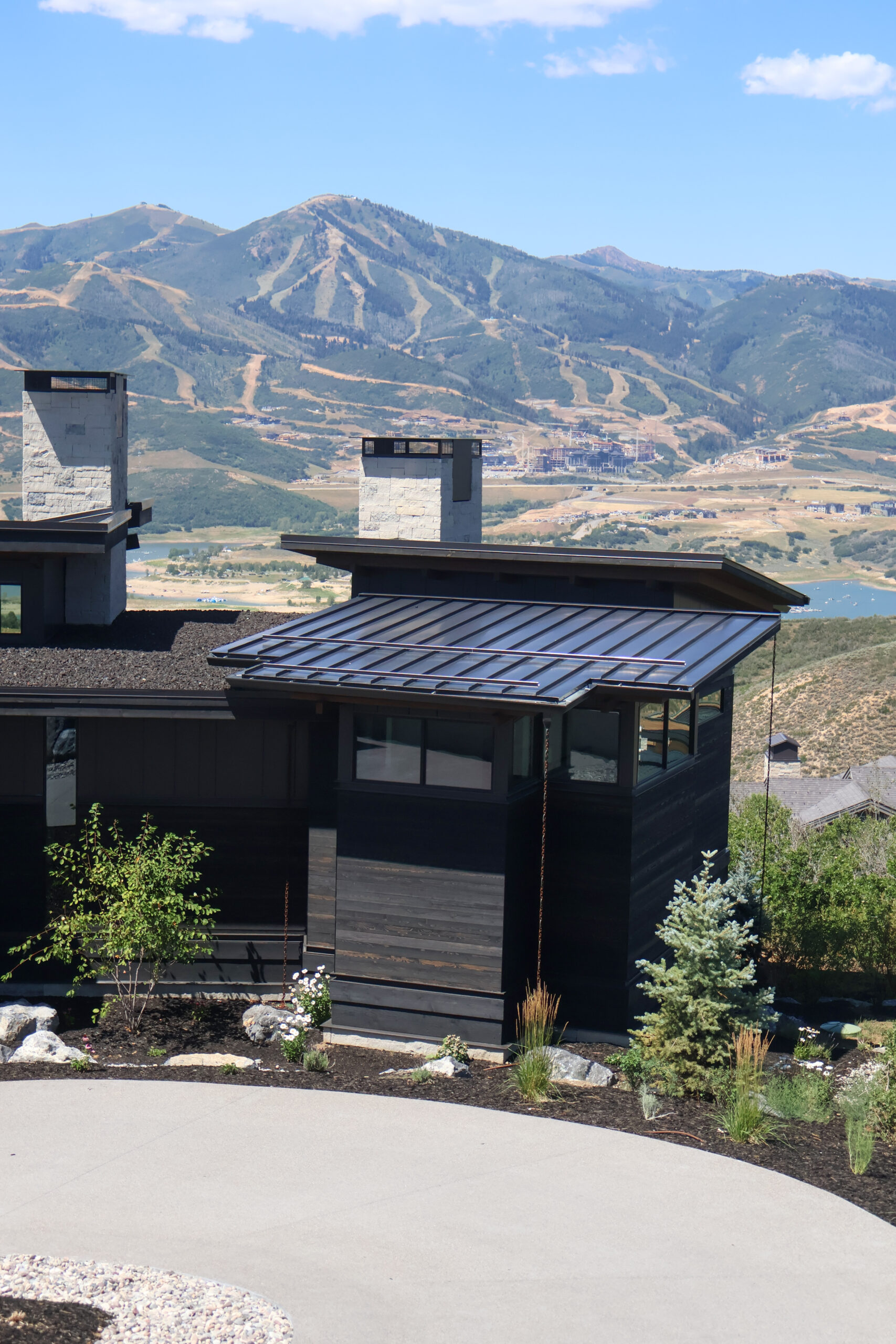
Axis Residence
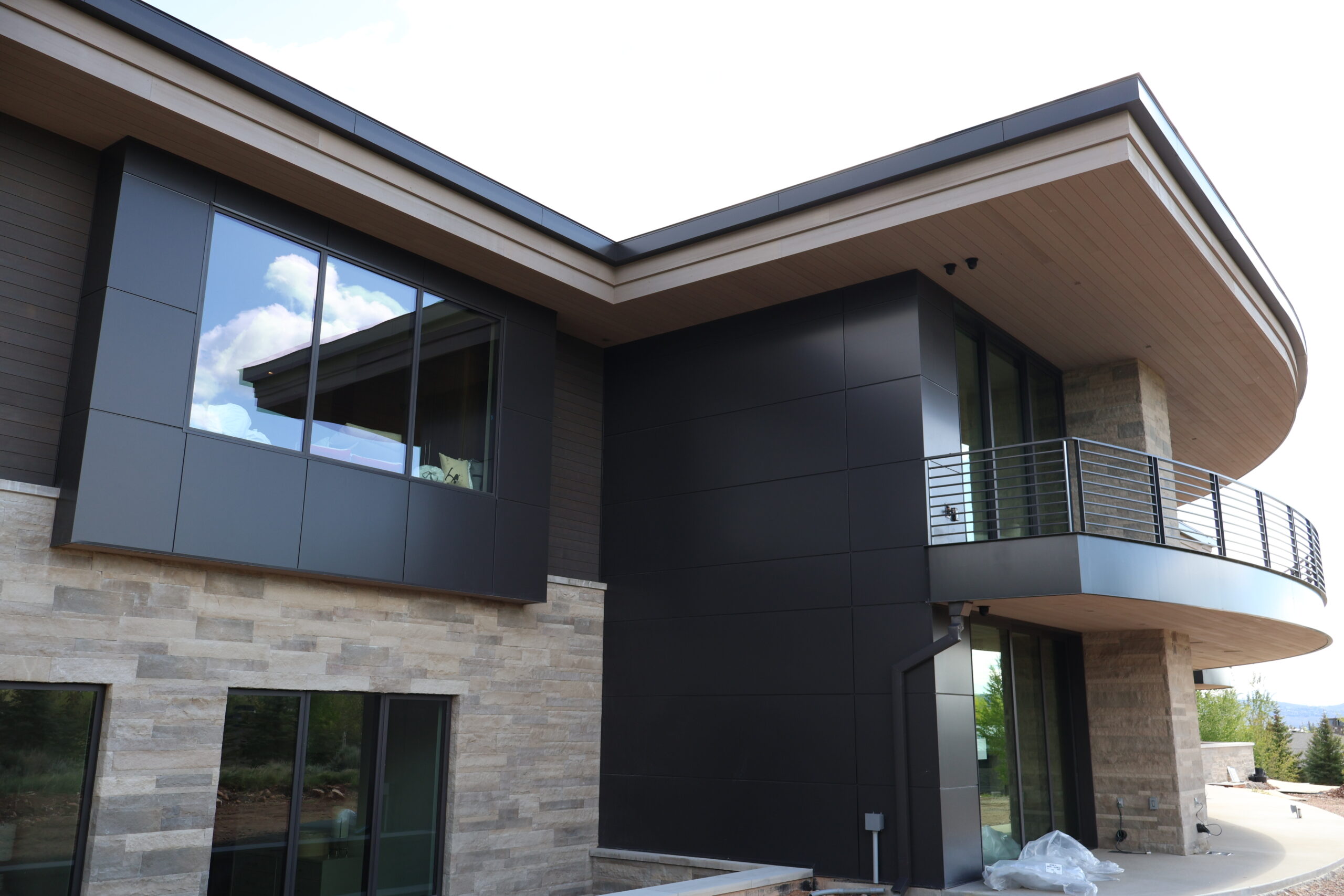
How Does a Building Envelope Prevent Water Intrusion?
What Is Exterior Cladding?