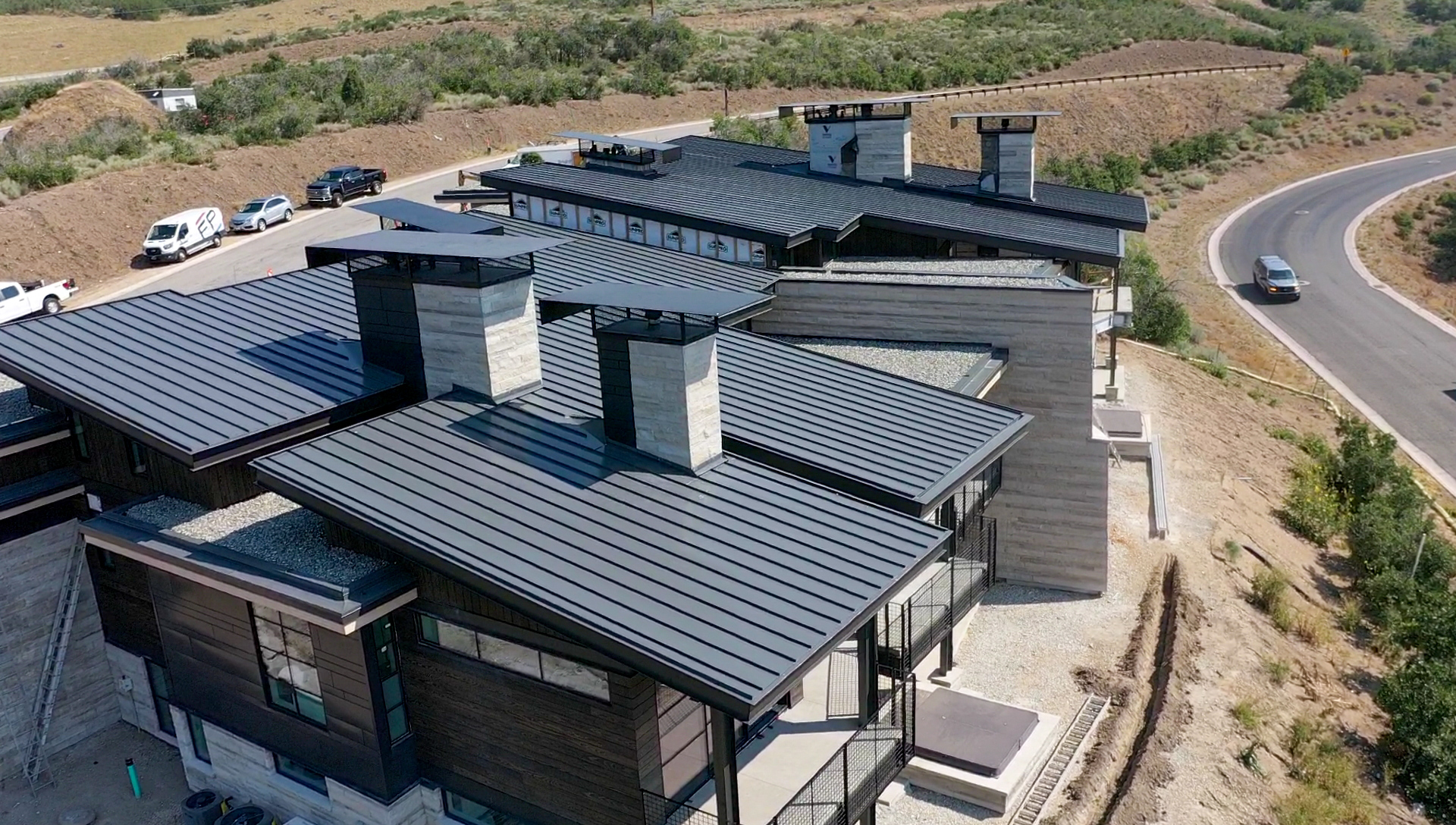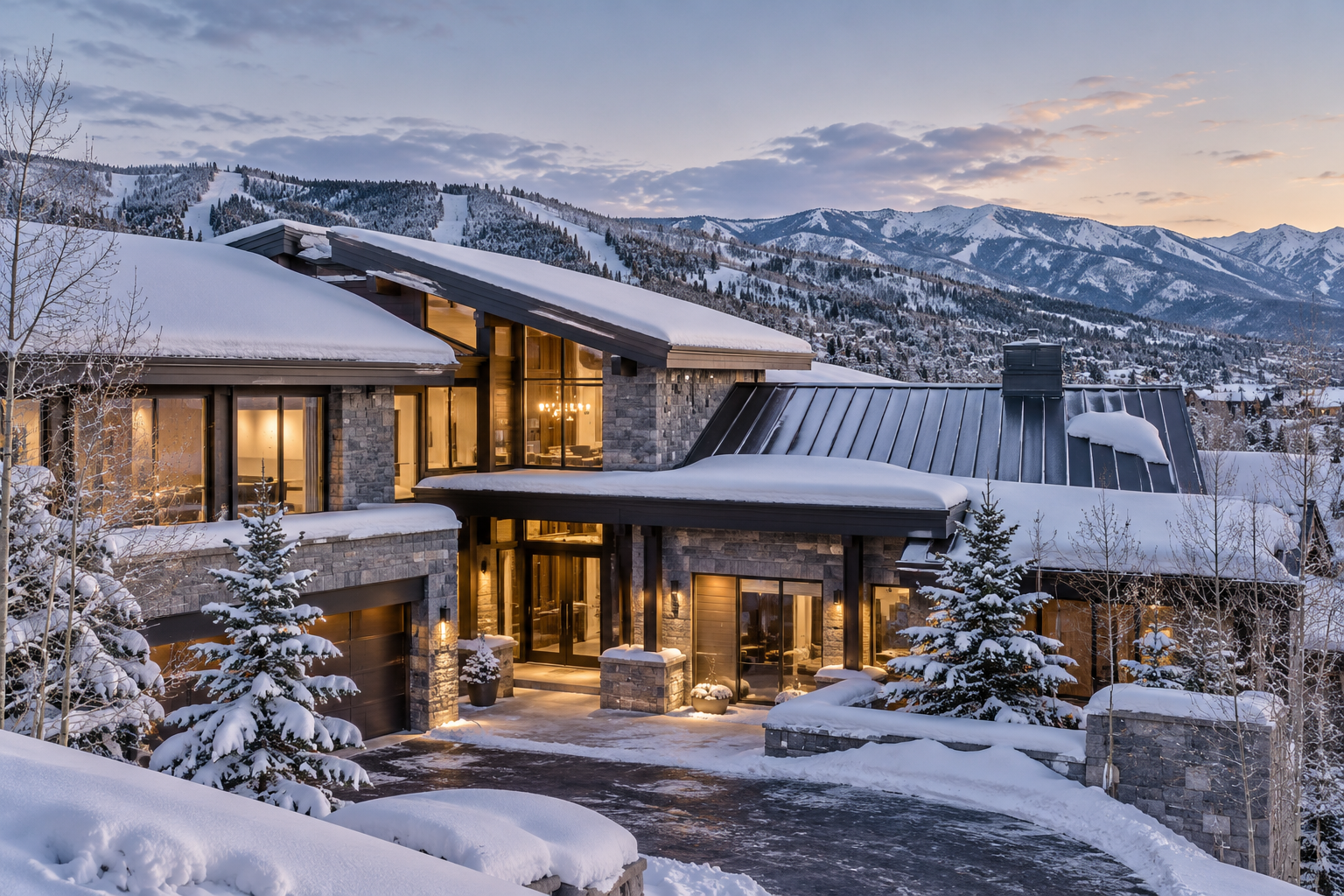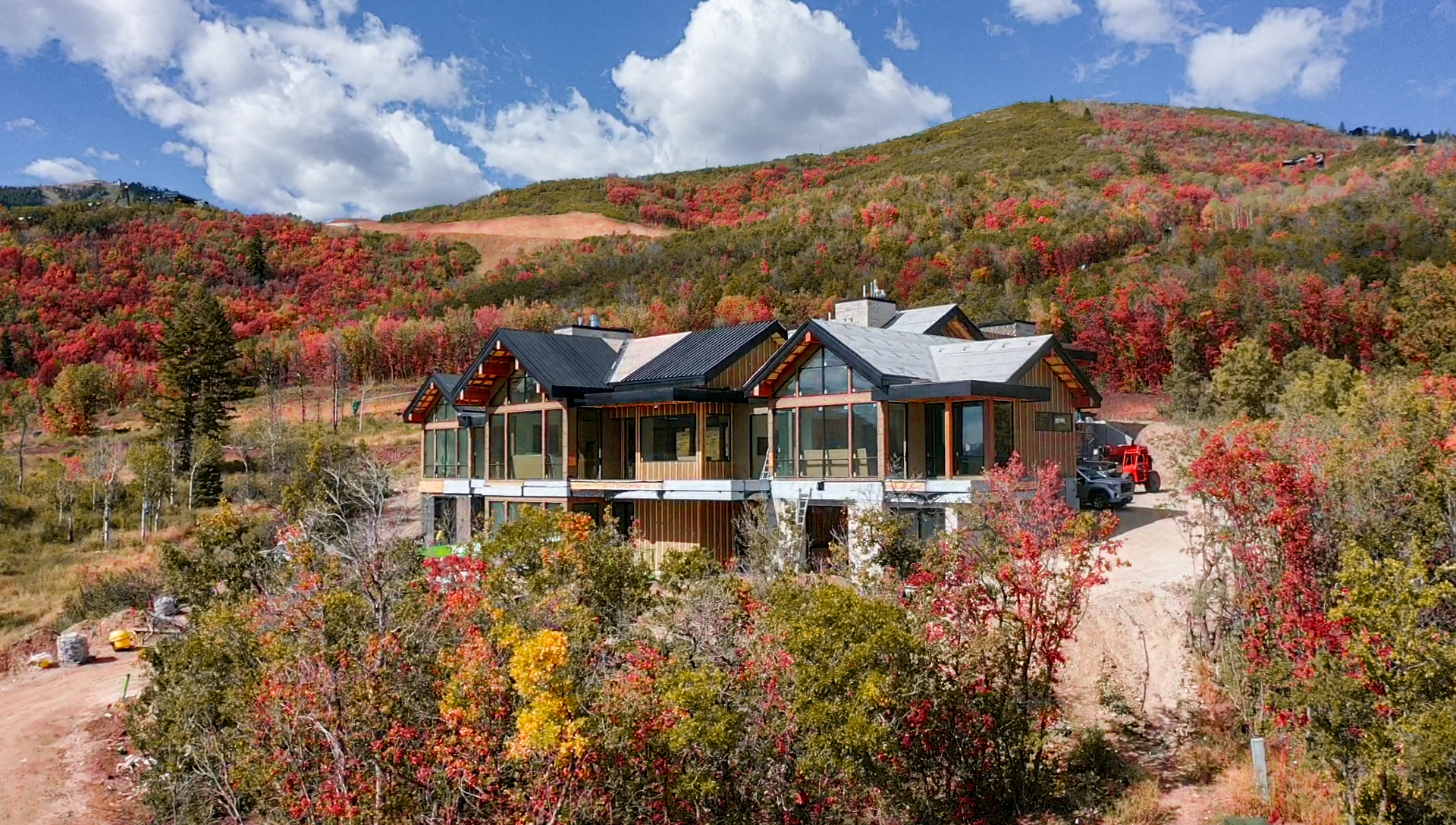

Metal wall panels, facades, and fascia give homes in Park City a clean, modern architectural look. But even subtle oil canning can influence how that craftsmanship is perceived.
In high-end neighborhoods where precision, symmetry, and detail matter, minor visual irregularities can affect buyer confidence, appraisal impressions, and overall market competitiveness.
While oil canning is typically cosmetic and does not affect structural performance, minimizing visible rippling plays an important role in protecting your home’s appearance and long-term value.
Below, we’ll break down why oil canning matters in luxury markets, how it influences perception, and what homeowners can realistically do to preserve smooth, visually striking metal surfaces.
Why Oil Canning Matters for Home Value
What may seem like a small visual issue can carry more weight in competitive real estate markets like Park City.
Curb Appeal
Wavy metal wall panels or fascia naturally draw the eye. Even subtle rippling can interrupt otherwise crisp architectural lines, affecting first impressions before buyers ever step inside.
Perceived Craftsmanship
Buyers often associate visible waviness with poor installation or lower-quality materials — even when that assumption isn’t accurate. In luxury markets, perception alone can influence negotiations.
Market Competitiveness
Homes with clean, consistent metal surfaces stand out. When architectural lines appear smooth and intentional, the entire exterior feels more refined and well-executed — something buyers expect at higher price points.
Inspection & Maintenance to Protect Appearance
It’s important to set realistic expectations: oil canning can still appear even on properly designed and professionally installed systems. Prevention reduces visibility — it does not guarantee perfection.
Because oil canning cannot typically be corrected once panels are installed, protecting appearance starts early and continues through ongoing monitoring.
1. Regular Visual Checks
Inspect wall panels, facades, and fascia after heavy snow loads, freeze-thaw cycles, or significant temperature swings. Angled sunlight often makes rippling easier to see.
2. Document Over Time
Take periodic photos to track any changes. This helps identify whether rippling is stable (which is common) or if additional stress may be affecting the panels.
3. Monitor Snow & Drainage
Uneven snow buildup, ice dams, or drainage issues can increase panel stress. Managing snow loads and keeping drainage systems clear helps reduce unnecessary strain.
4. Professional Seasonal Evaluations
An experienced metal roofing professional understands how panel width, fastening patterns, substrate conditions, and thermal movement influence appearance — details that aren’t always obvious to homeowners.
Choosing Materials & Installation That Preserve Value
Oil canning prevention starts long before panels go on the wall.
1. Engineered & Coated Panels
High-quality, properly engineered metal panels are designed to reduce visible rippling. Panel thickness, finish, and profile selection all play a role in how light reflects and how movement is distributed.
2. Panel Width & Design Considerations
Wide, flat panels are more prone to visible oil canning. Incorporating subtle ribs, texture, or narrower profiles can significantly reduce the appearance of waves.
3. Professional Installation
Experienced installers know how to manage panel tension, maintain alignment, and allow for thermal movement. Proper installation doesn’t eliminate oil canning entirely, but it greatly reduces excessive visibility.
4. Quality Fasteners & Clip Systems
Correct fastener placement and floating clip systems allow panels to expand and contract naturally without creating additional distortion.
FAQ: Oil Canning & Home Value
Does oil canning really affect home value?
While it does not impact structural integrity, oil canning can influence curb appeal and buyer perception — both of which play a role in offers and appraisals in competitive markets.
Is oil canning permanent?
Yes. Oil canning is generally permanent once panels are installed. It is a natural characteristic of flat metal surfaces and temperature movement. Because of this, material selection and installation quality are critical from the beginning.
Can oil canning be prevented from lowering my home’s value?
Yes. Proper panel selection, thoughtful architectural design, professional installation, and ongoing maintenance help keep rippling minimal and preserve the home’s overall appearance.
Which surfaces should be monitored most closely?
Wall panels, architectural facades, and fascia are the most visible elements and typically have the greatest impact on perception and curb appeal.
Conclusion
Preventing oil canning is about more than aesthetics — it’s about protecting your home’s perceived craftsmanship and market position in Park City’s competitive real estate environment.
By setting realistic expectations, choosing the right materials, designing with intention, and working with experienced metal professionals, homeowners can maintain the crisp architectural lines that define high-end metal design.
In climates like Park City’s, where snow loads and temperature swings are common, expertise in architectural metal systems makes all the difference.