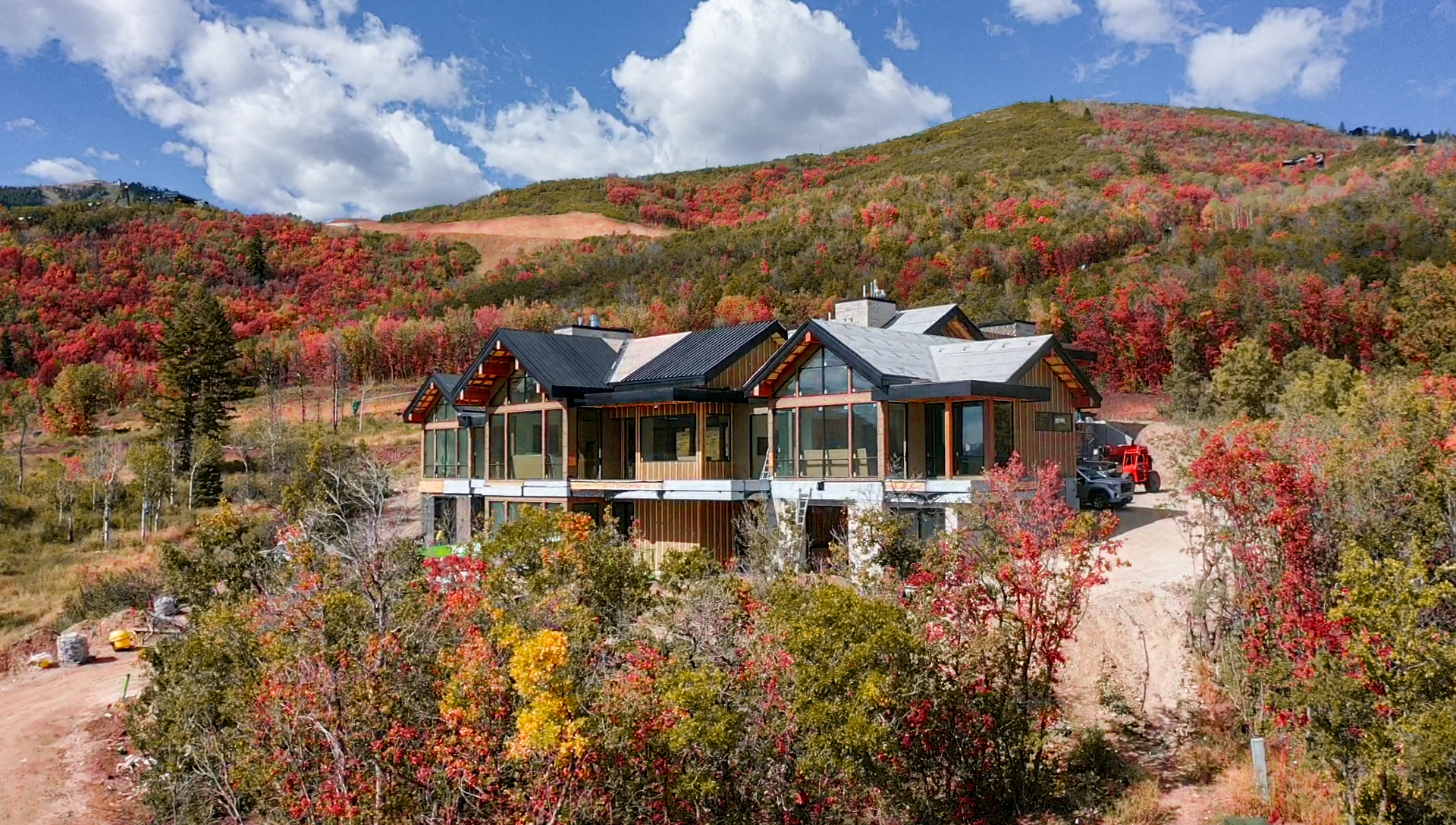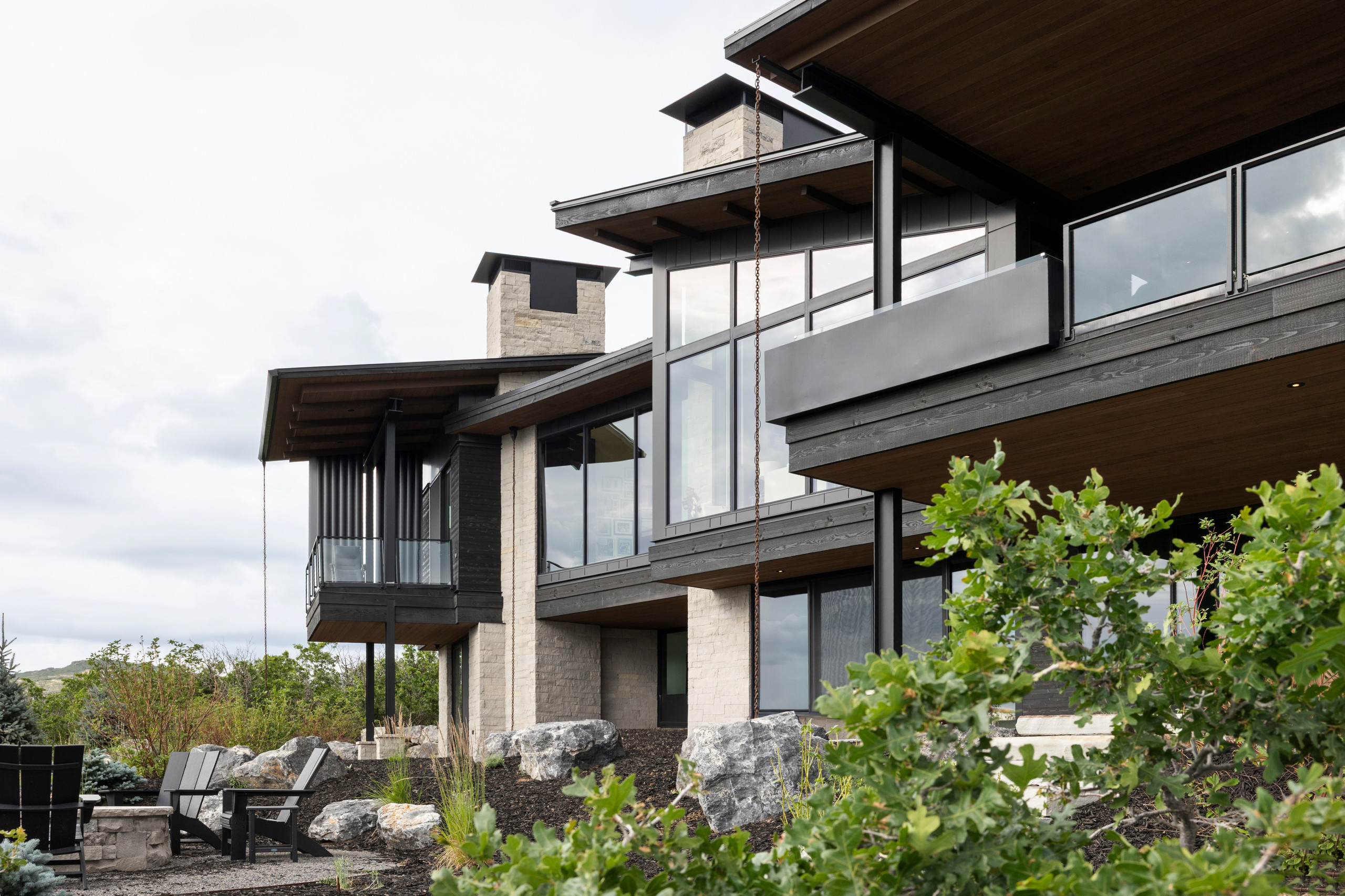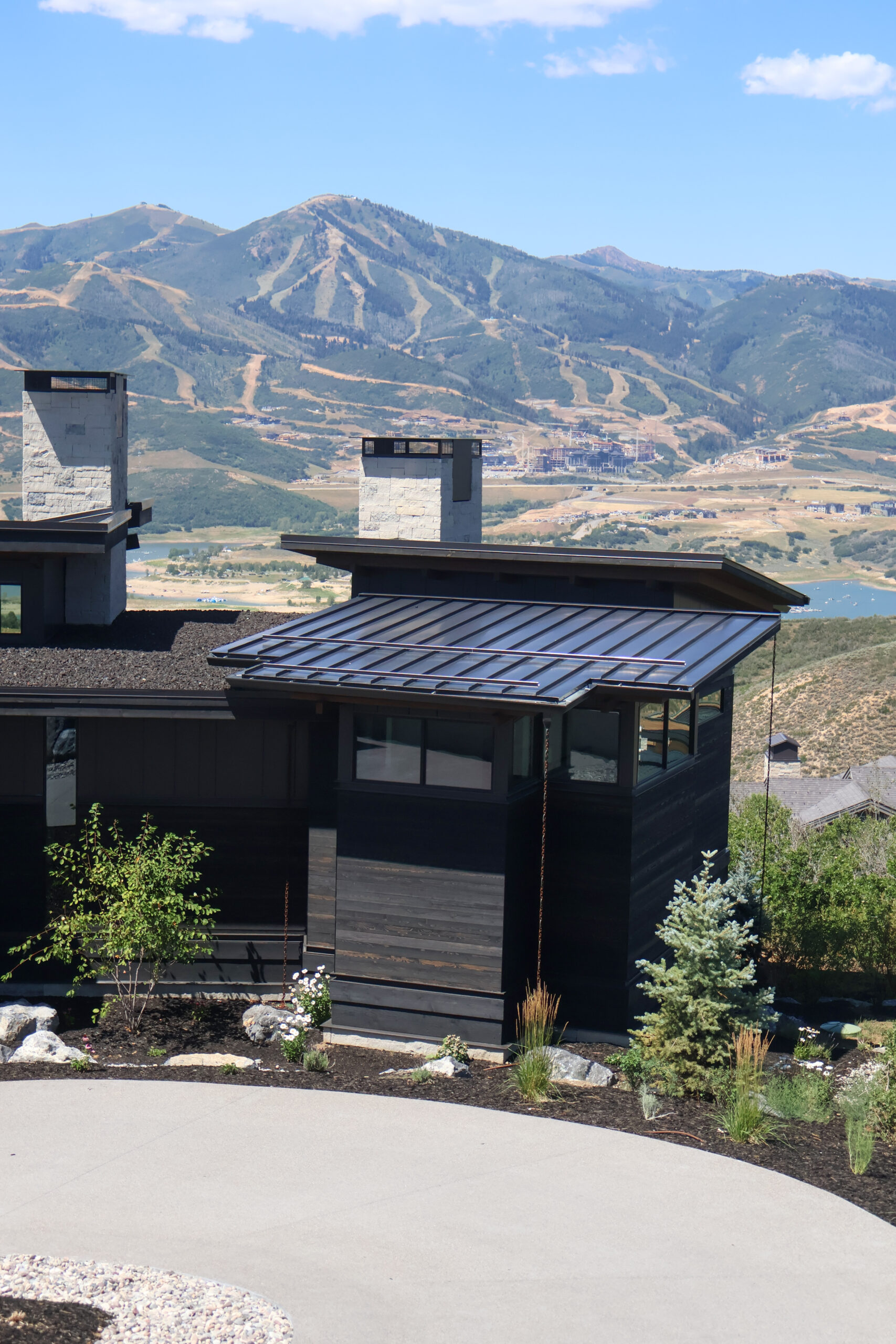

When it comes to wildfire protection, most people focus on roofing and siding. But one of the most vulnerable areas of a home is often overlooked: the soffits and vents.
In wildfire-prone areas, especially in Wildland Urban Interface (WUI) zones, soffits play a major role in whether embers are able to enter a home. As part of a broader home hardening strategy, upgrading to ember-resistant soffits can significantly reduce the risk of ignition
What Are Soffits?
Soffits are the material installed on the underside of a roof overhang. They help ventilate the attic and protect the roof structure from moisture buildup.
In most homes, soffits include vent openings that allow airflow into the attic. While this ventilation is important, it can also create an entry point for wind-driven embers during a wildfire.
How Embers Enter a Home
One of the most common ways homes ignite during a wildfire is not from direct flame contact, but from embers entering through vents and openings.
During a wildfire event:
- Embers can travel long distances ahead of the fire
- Wind pushes embers into small openings
- Vents and soffits become vulnerable entry points
- Embers can land in attics and ignite insulation or framing
This is why soffits are considered a critical component of WUI construction and home hardening.
Many of these fire protection strategies are also reflected in local building codes, such as the Wildland Urban Interface (WUI) code adopted by Park City.
What Makes a Soffit Ember-Resistant?
Not all soffits perform the same under wildfire conditions. Ember-resistant soffits are designed to limit the ability of embers to enter through vents or gaps.
Key features include:
- Fine mesh vent screening (typically 1/8 inch or smaller)
- Non-combustible materials, such as metal soffits
- Properly sealed edges and joints
- Reduced gaps where embers can accumulate
These details help prevent embers from reaching vulnerable areas inside the home.
Metal Soffits and Fire Resistance
Metal soffits are often used in WUI homes because they provide a more durable and fire-resistant option compared to wood or vinyl.
Benefits of metal soffits include:
- Non-combustible surface material
- Better resistance to heat and ember exposure
- Long-term durability in mountain climates
- Compatibility with metal roofing and fascia systems
When installed correctly, metal soffits can be a key part of a home hardening system..
Soffits as Part of a Home Hardening Strategy
Soffits don’t work alone. They are part of a larger system that includes:
- Roofing materials
- Wall panels and siding
- Fascia and roof edges
Homes that perform well during wildfire events typically use multiple layers of protection, rather than relying on a single material.
For a broader look at how building requirements are evolving, see WUI building requirements in Utah.
Why Soffits Matter in WUI Homes
In areas like Park City and other wildfire-prone regions across Utah, construction details are becoming increasingly important.
Soffits may not be the most visible part of a home, but they are one of the most important when it comes to wildfire resilience.
Upgrading to ember-resistant soffits can help reduce the risk of ember intrusion and improve the overall performance of a home in wildfire conditions.
Home Hardening Checklist for WUI Homes
When evaluating a home for wildfire resilience, consider:
✔ Class A fire-rated roofing
✔ Non-combustible wall systems
✔ Ember-resistant soffits and vents
✔ Fire-resistant fascia and roof edges
✔ Proper installation of all exterior assemblies
Together, these elements help create homes that are better prepared for wildfire risk in mountain communities across Utah and the broader Wildland Urban Interface.