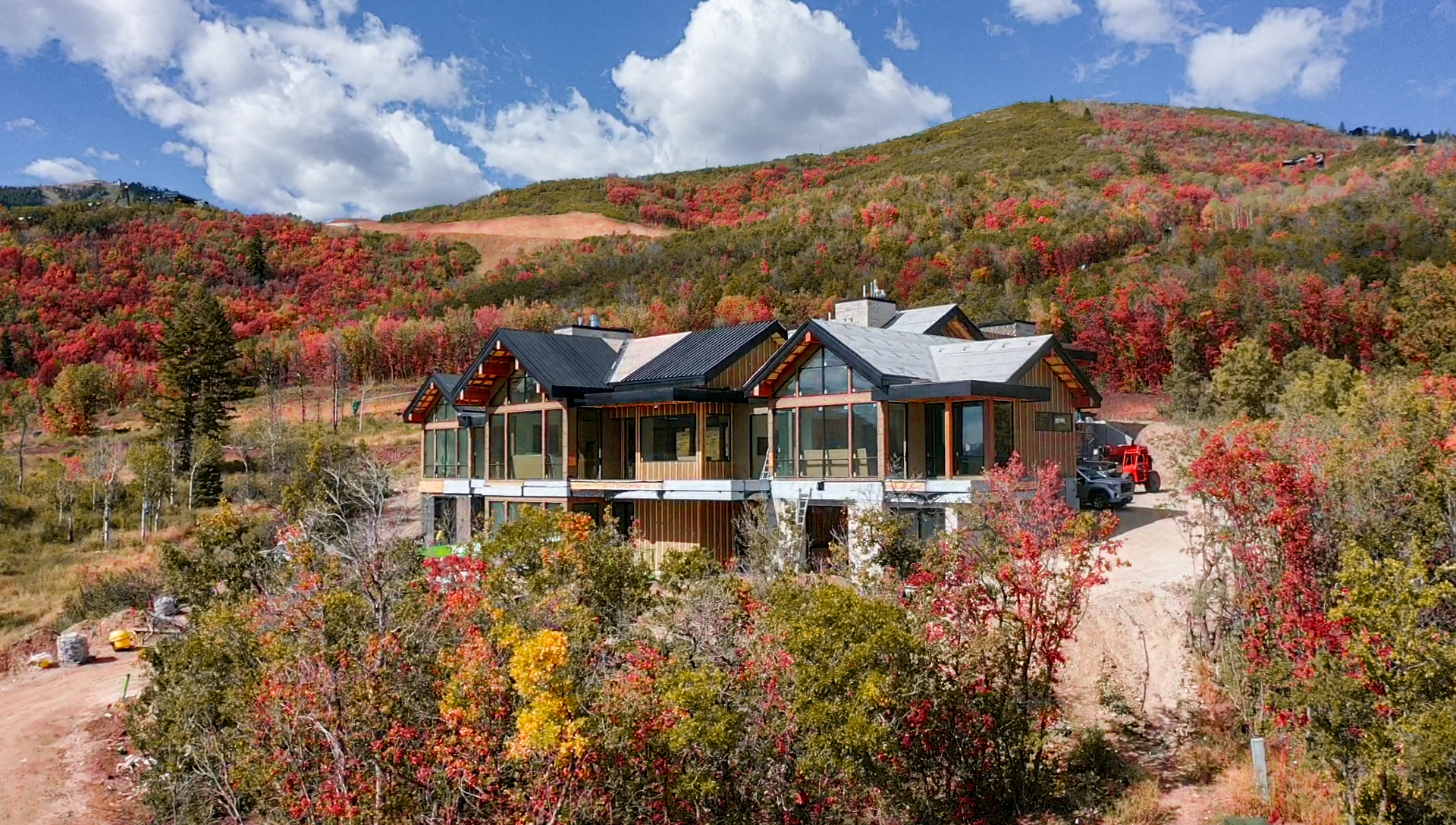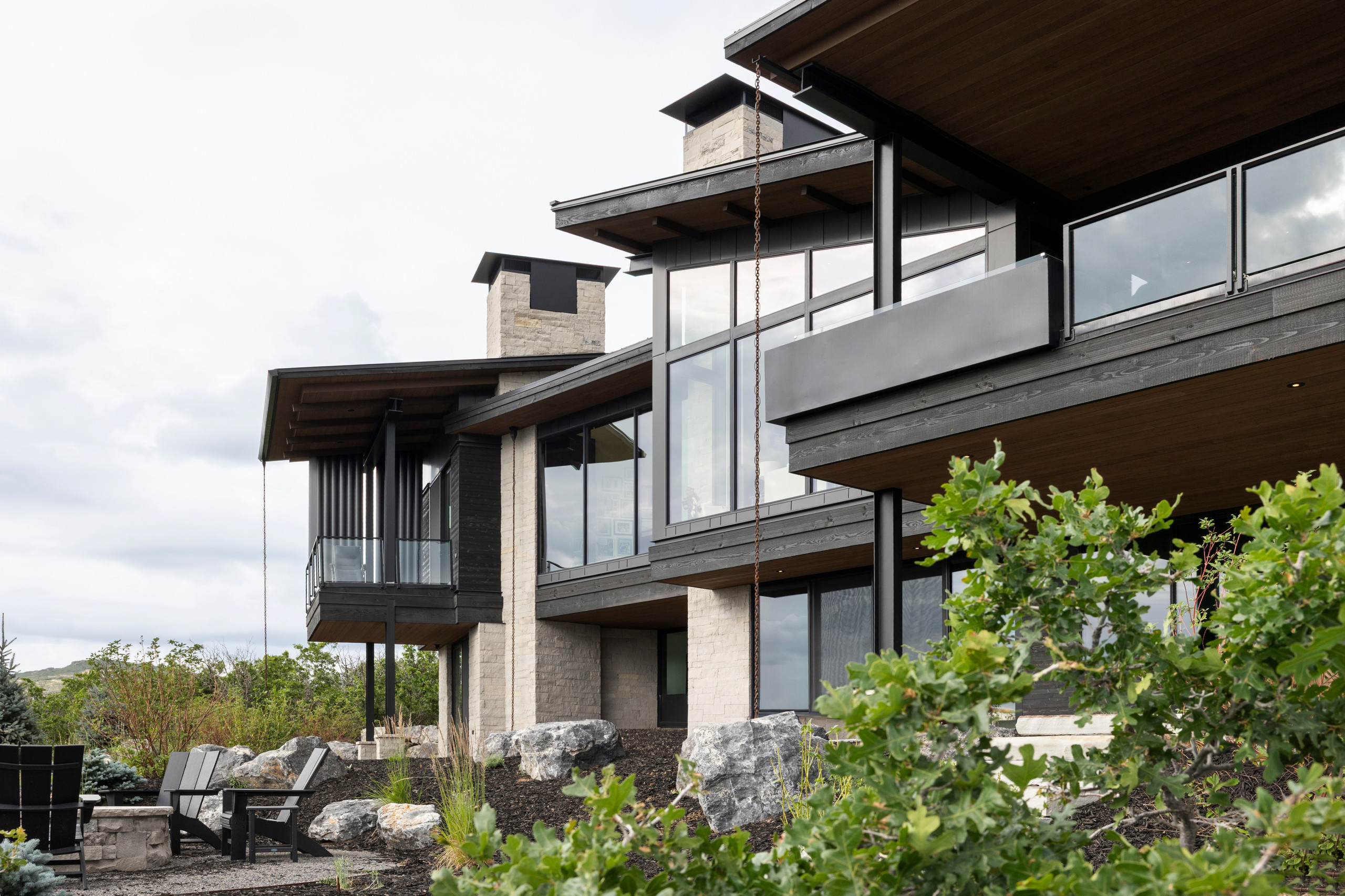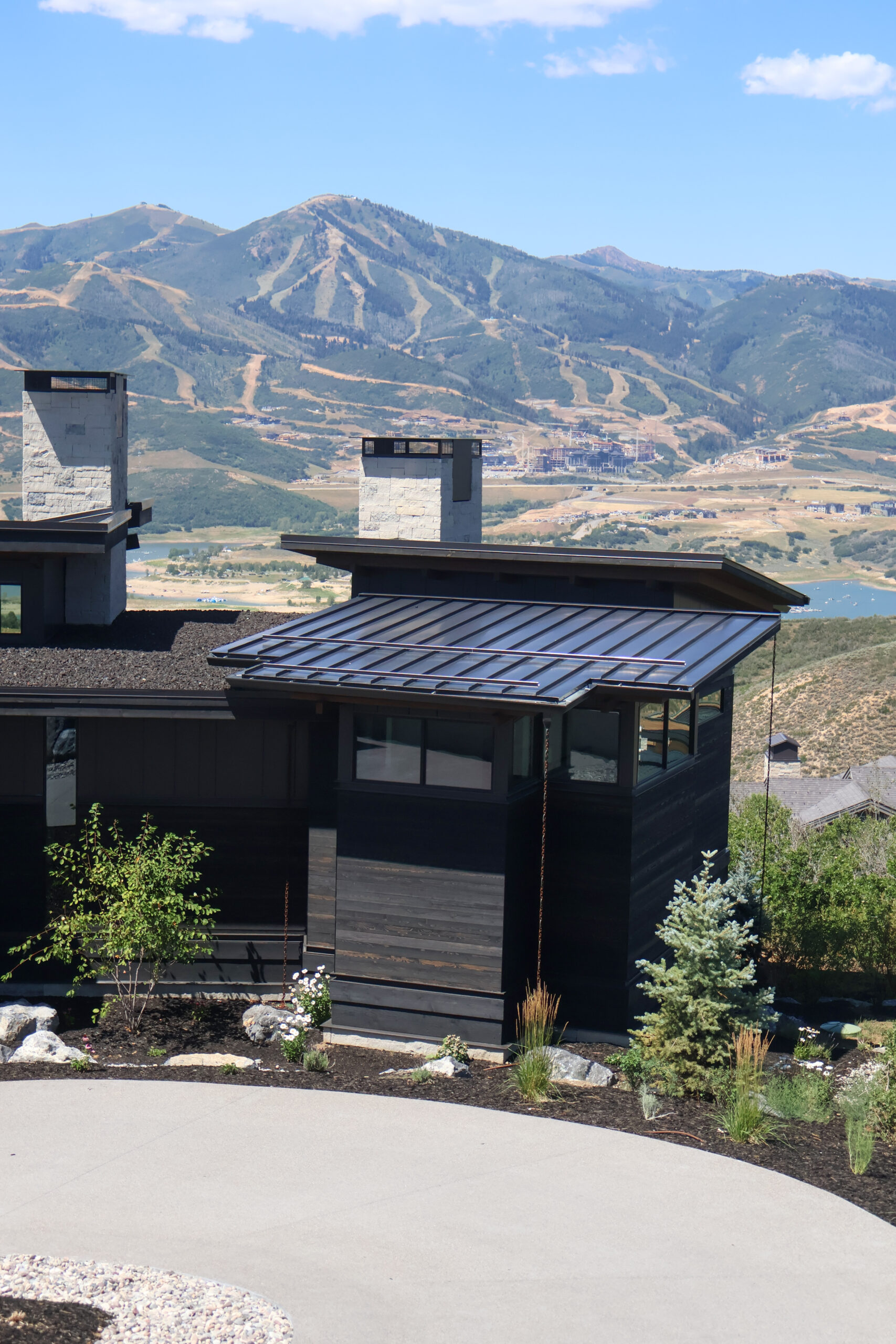

Modern architecture in Park City has increasingly moved toward cleaner lines, larger forms, and more unified exterior systems. As a result, roofing is no longer treated as a separate element sitting above the structure. Instead, roofing, wall panels, and cladding systems are often designed to work together visually and functionally.
This approach creates a more cohesive building envelope, but it also increases the importance of detailing and coordination during design and installation. In mountain environments like Park City, where homes are exposed to snow, moisture, freeze and thaw cycles, and UV exposure at elevation, these transitions play a major role in long-term performance.
Why Integration Matters in Modern Architecture
One of the defining characteristics of modern residential design is continuity between materials. Many homes now use exterior systems that visually connect the roof with the walls, creating a more seamless architectural appearance.
Rather than separating the roofline from the facade, designers often integrate:
- standing seam roofing
- metal wall panels
- wood cladding
- composite panel systems
- low-slope roofing sections
This creates cleaner transitions and reinforces the overall architectural intent of the home.
In Park City, this design approach is especially common in contemporary mountain homes where simplicity and material consistency are prioritized.
The Building Envelope Approach
Roofing and wall systems should not be viewed as isolated components. Together, they form part of the building envelope. The exterior system responsible for protecting the structure from water, air intrusion, temperature changes, and environmental exposure.
When roofing and cladding systems are integrated correctly, they work together to:
- manage moisture movement
- improve drainage performance
- reduce vulnerable transition points
- support energy efficiency
- create a more unified exterior appearance
Poor coordination between these systems can lead to water intrusion, premature wear, and visible inconsistencies in the finished design.
Where Transitions Matter Most
The most critical areas in integrated exterior systems are usually the transitions between surfaces and materials.
Common high-detail areas include:
- roof-to-wall intersections
- parapet transitions
- window and door openings
- soffit and fascia details
- drainage and edge conditions
These locations must be carefully designed to maintain both water management and architectural continuity.
In mountain climates, small detailing mistakes at these transitions can become larger performance issues over time due to snow buildup, runoff, and freeze and thaw movement.
Material Compatibility and Coordination
Not all roofing and cladding materials perform the same way together. Expansion rates, fastening methods, drainage requirements, and maintenance expectations can vary significantly between systems.
For example, metal roofing and metal wall panels often complement each other visually, but they still require coordinated detailing to account for movement and water management.
Material selection should consider:
- compatibility between systems
- long-term weather exposure
- maintenance requirements
- visual consistency
- installation sequencing
This coordination is especially important on custom homes where multiple exterior materials are integrated together.
Performance in Park City’s Climate
Exterior systems in Park City need to perform under demanding environmental conditions. Snow load, spring runoff, wind exposure, and strong UV conditions all place stress on roofing and wall assemblies.
Integrated systems should be designed with attention to:
- moisture drainage paths
- snow and ice movement
- ventilation and airflow
- thermal expansion and contraction
- waterproofing at transitions
A visually clean design still needs to function reliably throughout changing seasonal conditions.
Installation Precision Is Critical
As exterior systems become more minimal in appearance, installation quality becomes more visible.
Modern homes often rely on:
- tight panel alignment
- clean edge conditions
- consistent reveal spacing
- concealed fastening systems
Because of this, small installation inconsistencies can stand out visually. Precision during layout and detailing is essential for maintaining the architectural intent of the project.
Long-term performance also depends heavily on how these systems are installed, particularly at drainage and transition points.
What Homeowners, Architects, and Builders Should Consider
Integrated roofing and cladding systems require coordination early in the design process. Waiting until construction is underway can limit material options and create avoidable detailing challenges.
Important considerations include:
- how materials transition between surfaces
- moisture management strategy
- compatibility between roofing and wall systems
- long-term maintenance expectations
- sequencing between trades during installation
Projects tend to perform best when roofing and exterior cladding are treated as part of the same system rather than separate scopes of work.
Final Thoughts
Roofing and exterior wall systems play a larger role in modern architecture than many people realize. In Park City, where homes are designed to balance performance with clean, contemporary design, integration between these systems has become increasingly important.
When roofing, wall panels, and cladding are designed and installed as part of a unified exterior system, the result is often stronger visually and more reliable long term.
Frequently Asked Questions
What are exterior wall panels and cladding systems?
Exterior wall panels and cladding systems are materials installed on the outside of a building to protect it from weather while also shaping the architectural appearance of the home.
Why is integrating roofing and wall panels important?
Integrated systems help create a more cohesive exterior design while also improving moisture management and reducing vulnerable transition points.
What materials are commonly used together in modern homes?
Modern homes often combine standing seam metal roofing, metal wall panels, wood cladding, composite panels, and low-slope membrane systems.
Do roofing and cladding systems affect energy efficiency?
Yes. Properly designed exterior systems can improve insulation performance, reduce moisture intrusion, and support better overall energy efficiency.
Why are transitions important in exterior systems?
Transitions are often the most vulnerable areas for water intrusion. Proper detailing at roof-to-wall intersections, edges, and openings is critical for long-term performance.