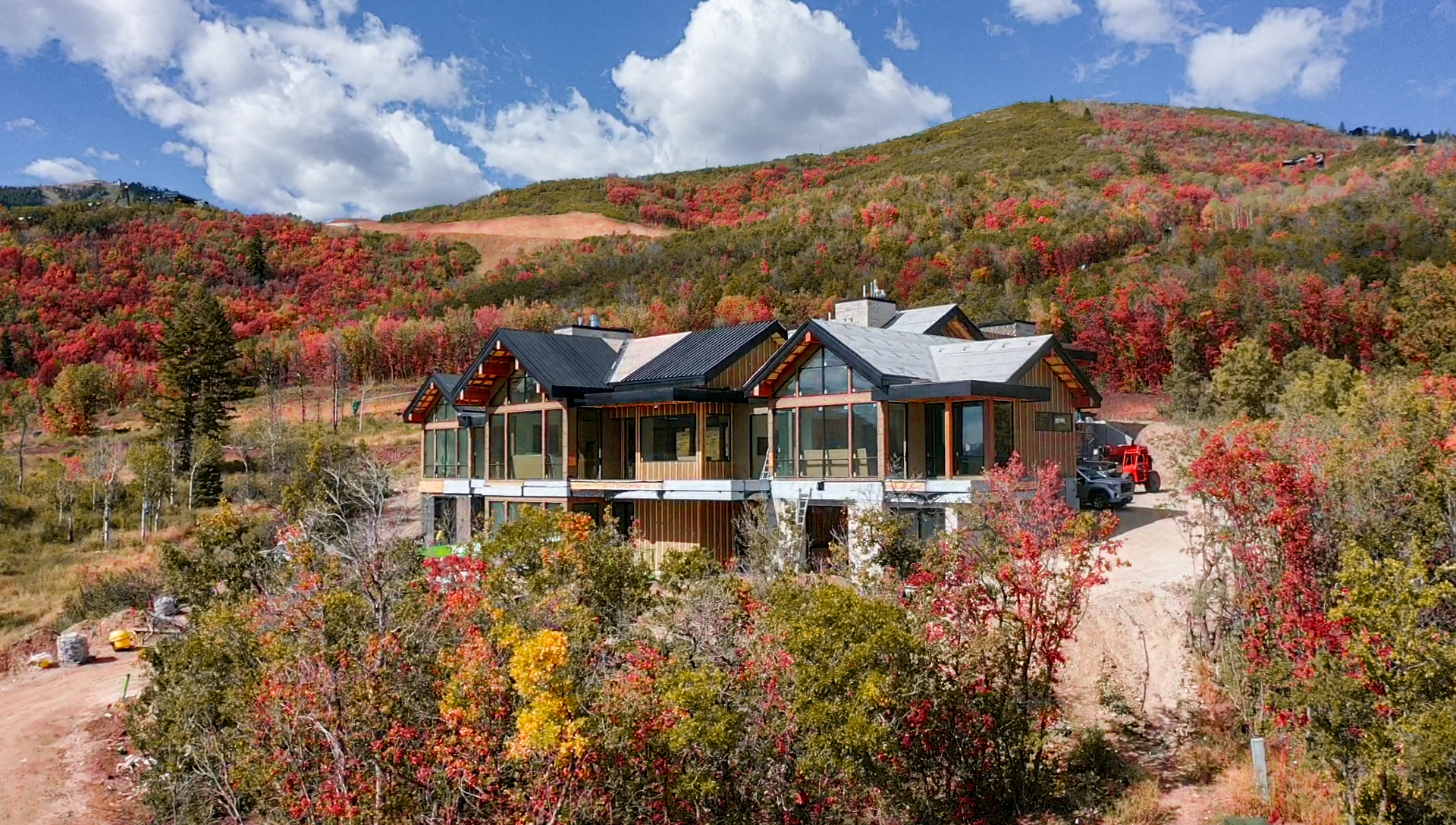

Metal facade systems have become a defining feature of modern architecture. From mountain homes in Park City to commercial buildings along the Wasatch Front, architects are turning to metal wall panels to achieve clean profiles, consistent materiality, and exteriors that perform as well as they look.
At Viotell Metal Concepts, we work alongside architects to fabricate and install facade systems that match the design intent while standing up to Utah’s climate. Here’s why metal keeps showing up on design boards and what makes it work so well in practice.
The Design Case for Metal Facades
Visual precision and clean lines
Metal panels deliver the kind of visual sharpness that’s hard to achieve with other cladding materials. Flat-lock, standing seam, and cassette panel profiles all produce tight, uniform lines that give a building a finished, intentional look. For architects who want a facade that reads as crisp and controlled, metal is a natural fit.
Flexibility across styles
Metal isn’t locked into one aesthetic. It works in contemporary mountain homes, mixed-use commercial, resort architecture, and industrial-modern designs. The same material can look warm and textured in one application and sleek and minimal in another, depending on the profile, finish, and how it interacts with other materials on the building.
Material contrast and composition
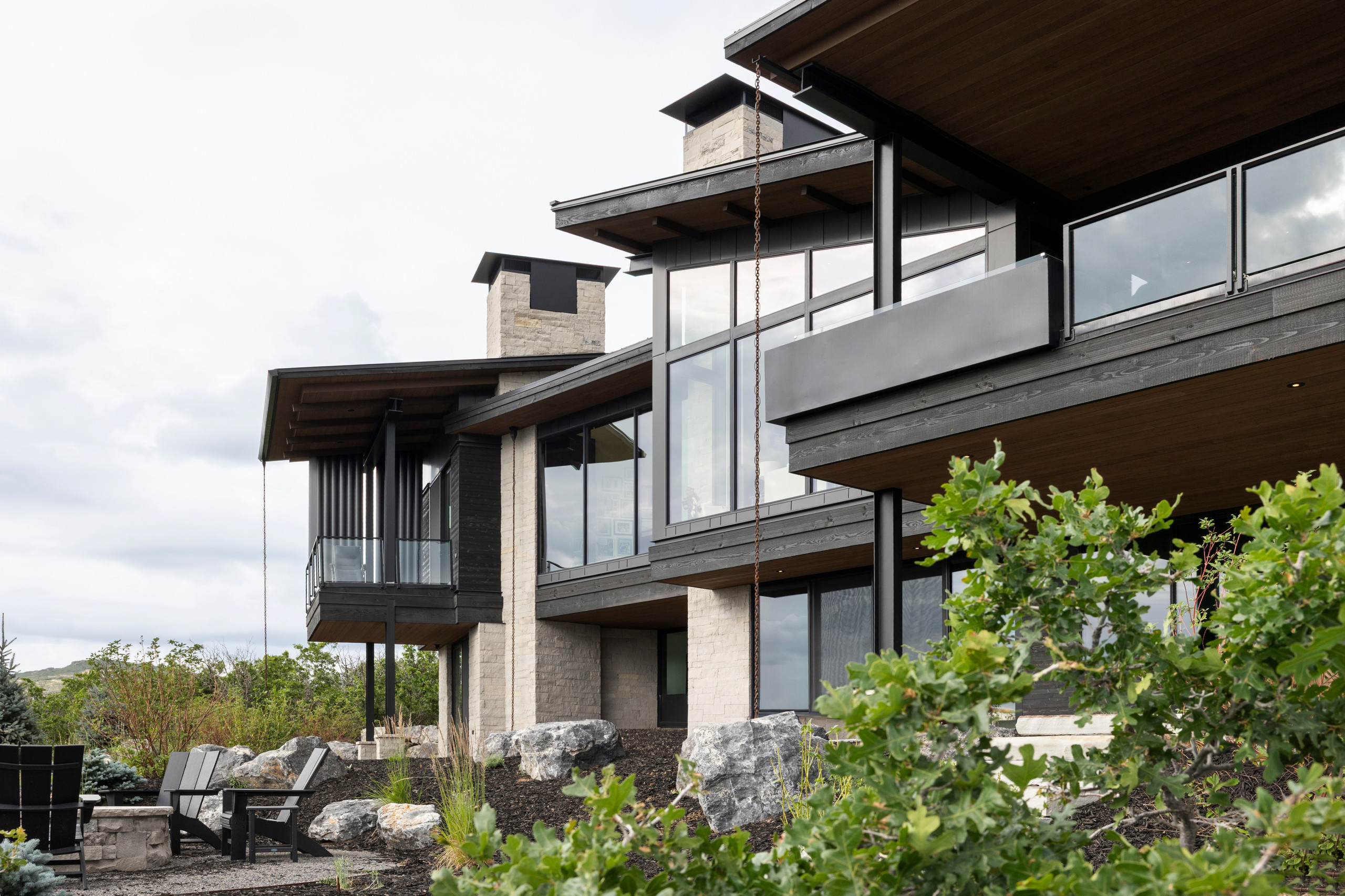
Metal pairs well with stone, timber, glass, and concrete. Architects use it to create deliberate contrast, setting smooth metallic planes against rough stone walls or warm wood soffits. These compositions give a building visual depth and help break up large exterior surfaces into readable sections.
Performance That Matches the Aesthetic
Weather resistance at altitude
Utah’s mountain climate demands materials that can handle UV exposure, freeze-thaw cycling, snow loads, and wind. Metal facade systems resist all of these without the cracking, warping, or color loss that affect many organic cladding materials. When integrated into a proper building envelope system, metal cladding also contributes to moisture management and thermal performance.
Long service life with low maintenance
A well-installed metal facade system can last for decades with minimal upkeep. Quality coatings like Kynar and PVDF resist chalking and fading, even at elevation. Zinc and copper develop protective patinas that actually improve with age. For architects and building owners, that translates to a facade that keeps looking the way it was designed to look.
Fire resistance
Metal cladding is non-combustible. For projects in or near the Wildland Urban Interface, where fire-resistant construction is increasingly required, metal facade systems meet code requirements while still offering full design flexibility.
Fabrication: Where Design Meets Reality
The gap between what an architect draws and what actually gets built often comes down to fabrication. Off-the-shelf panels can limit design options and force compromises at transitions. Custom sheet metal fabrication eliminates those compromises by producing panels, trim, and flashings that match the exact specifications of the design.
At Viotell, fabrication happens in our Salt Lake Valley facility, which means we control the quality, lead times, and tolerances. When a project also includes ornamental metal work, like custom screen panels or decorative elements, having everything under one roof makes coordination much simpler.
Roof-to-Wall Integration
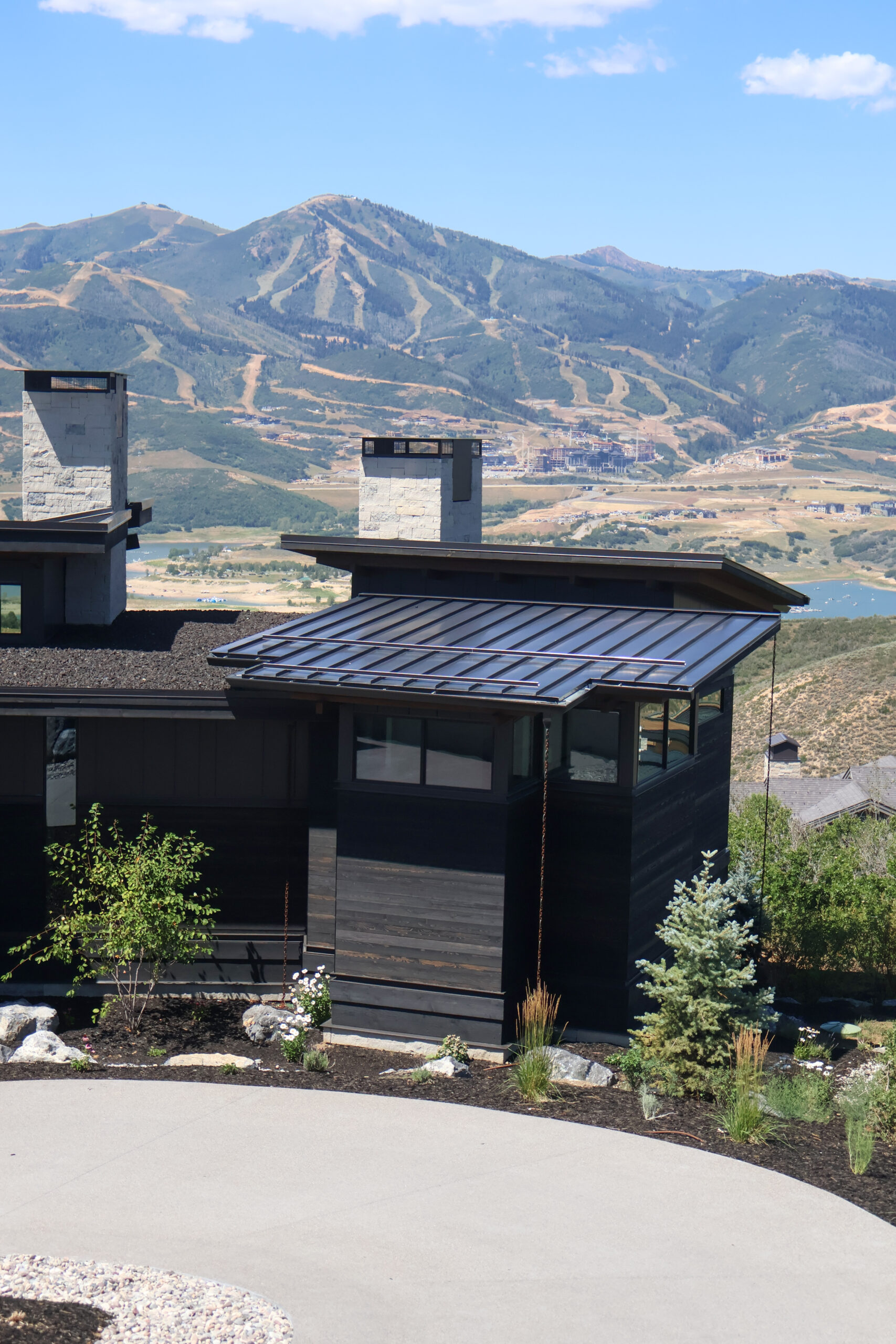
One of the most effective uses of metal in modern architecture is extending it from the roof down into the wall plane. This creates a continuous surface that makes the envelope feel unified rather than layered. It’s a strong design move, but it requires tight coordination between roofing and wall panel installation.
The transition between roof and wall is where leaks happen if the detailing isn’t right. Custom flashings, drip edges, and closure pieces need to be designed and fabricated together so the two systems seal properly. This is where working with a single contractor who handles both systems pays off.
Finishes and Material Options
The finish on a metal facade system does more than set the color. It determines how the building ages, how it reflects light, and how it holds up over time.
Kynar and PVDF coatings offer long-term color stability and UV resistance. They’re the standard for projects where color consistency matters over decades. Zinc and copper don’t need a coating at all. They develop natural patinas that give the building a living, evolving character. Weathering steel (Corten) offers a rusted aesthetic that’s popular in modern and industrial designs, though it needs careful detailing to manage runoff staining.
Each material choice carries its own design implications, and a fabricator with experience across all of them can help architects pick the right one for the project’s conditions and intent.
Getting Started on a Metal Facade Project
If you’re an architect or designer working on a project that calls for metal cladding, the best time to bring in a fabricator is early. Design development is where material choices, transition details, and constructability questions get resolved. Viotell partners with design teams across Utah to make that process smoother. Reach out to start the conversation.
FAQ
What metal facade profiles are most popular with architects?
Standing seam, flat-lock, and cassette panels are the most commonly specified. Each creates a different visual rhythm and scale on the facade, so the choice depends on the building’s proportions and design language.
Can metal wall panels be used on residential projects?
Yes. Metal facades are increasingly common on custom homes, especially in mountain communities where durability and design quality are both priorities. They work well as full cladding or as accent elements paired with other materials.
How do metal facades handle snow and ice?
Metal cladding sheds moisture and resists freeze-thaw damage. Wall panel systems are designed with drainage planes and joint detailing that manage water behind the panels, keeping the wall assembly dry through winter.
Does Viotell handle both roofing and wall panel installation?
Yes. Viotell installs both metal roofing and metal wall panels, which helps maintain consistency across the building envelope and simplifies coordination for architects and GCs.
How early in the design process should a metal fabricator be involved?
Ideally during design development. Early involvement allows the fabricator to review details, flag constructability concerns, and confirm material availability before the project goes to bid.
References
Metal Construction Association. Metal Wall Panel Systems Guide.