
Whether you’re building a custom home in Park City, designing a commercial building, or planning an agricultural project, choosing the right roofing system is one of the biggest decisions you’ll make. Metal roofing has become a popular choice because of its durability, longevity, and ability to handle Utah’s climate, but not all metal roofs are built the same.
One of the first questions we hear from homeowners, architects, and builders is:
“What’s the difference between standing seam and exposed fastener roofing?”
It’s a fair question. Both systems are made from metal panels, both protect your building from the elements, and both have been used successfully for decades. The difference isn’t necessarily that one is “better” than the other, it’s that they were designed for different types of projects.
Understanding those differences can help you choose the roofing system that best fits your building, your budget, and your long-term goals.
What Is the Difference Between Standing Seam and Exposed Fastener Metal Roofing?
The biggest difference between these two roofing systems isn’t the metal itself; it’s how the panels are fastened to the roof.
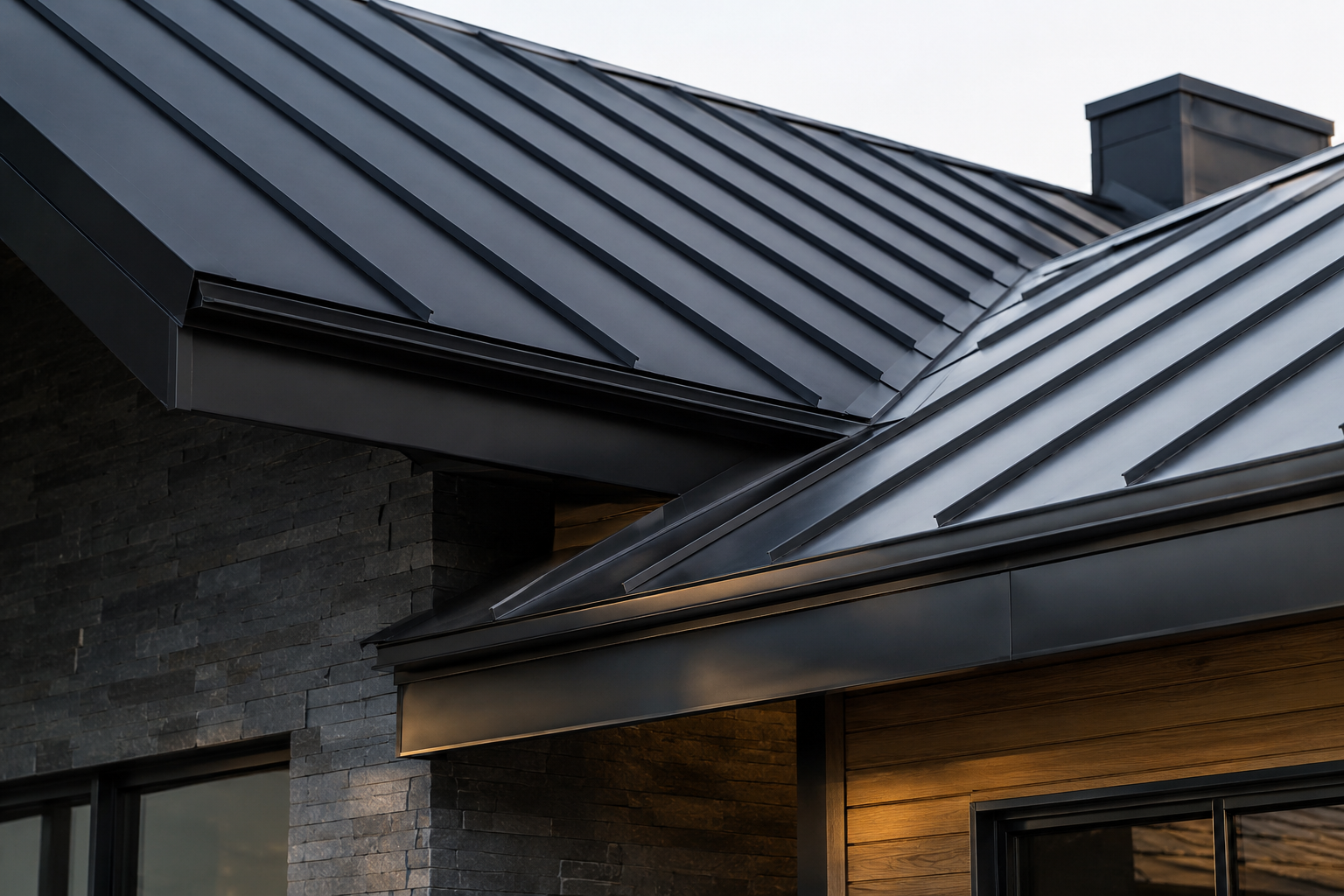
With a standing seam roof, the fasteners are hidden beneath raised seams. Each panel is secured using concealed clips, so you won’t see rows of screws across the finished roof.
An exposed fastener roof is installed differently. The panels overlap, and screws are driven directly through the face of each panel to secure it to the structure. Those fasteners remain visible after installation.
That may seem like a small detail, but it affects everything from the roof’s appearance to how it performs over time.
Why Is Standing Seam Metal Roofing Popular for Luxury Homes?
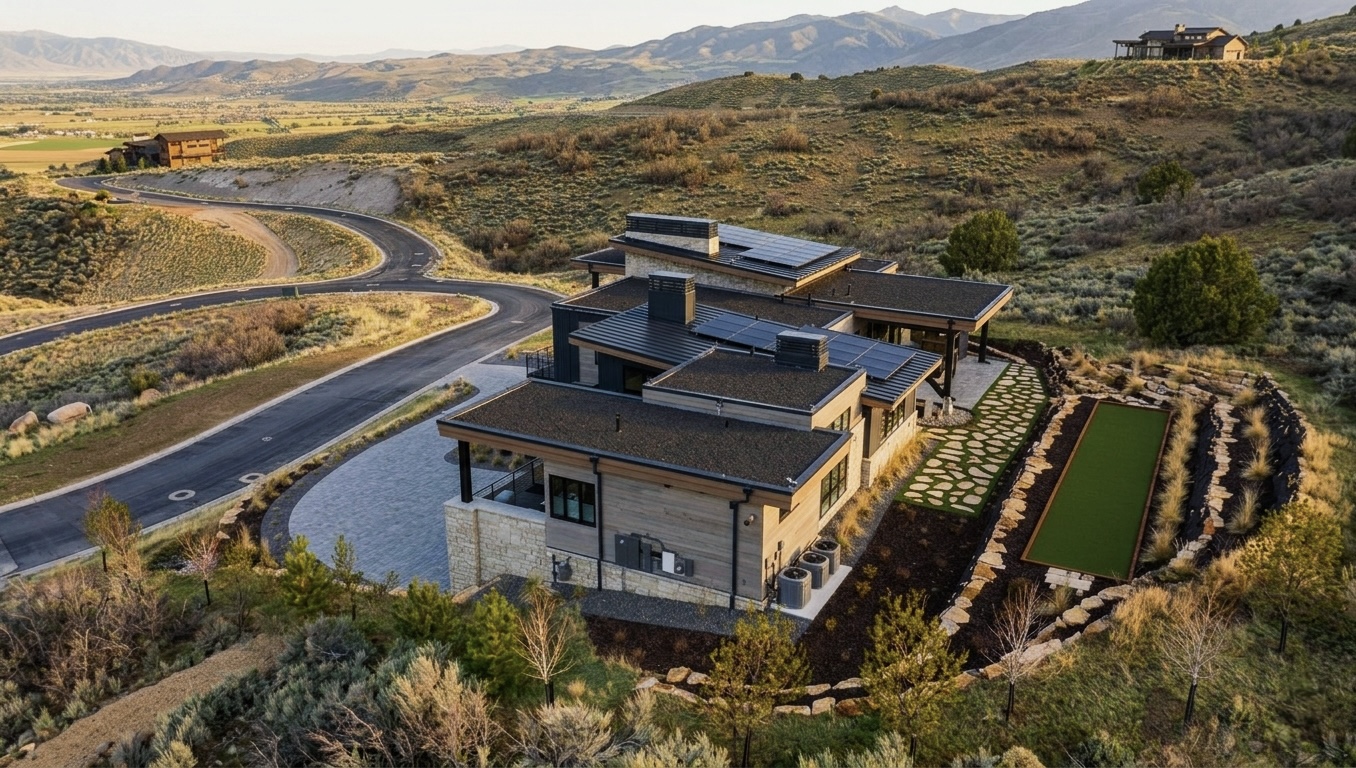
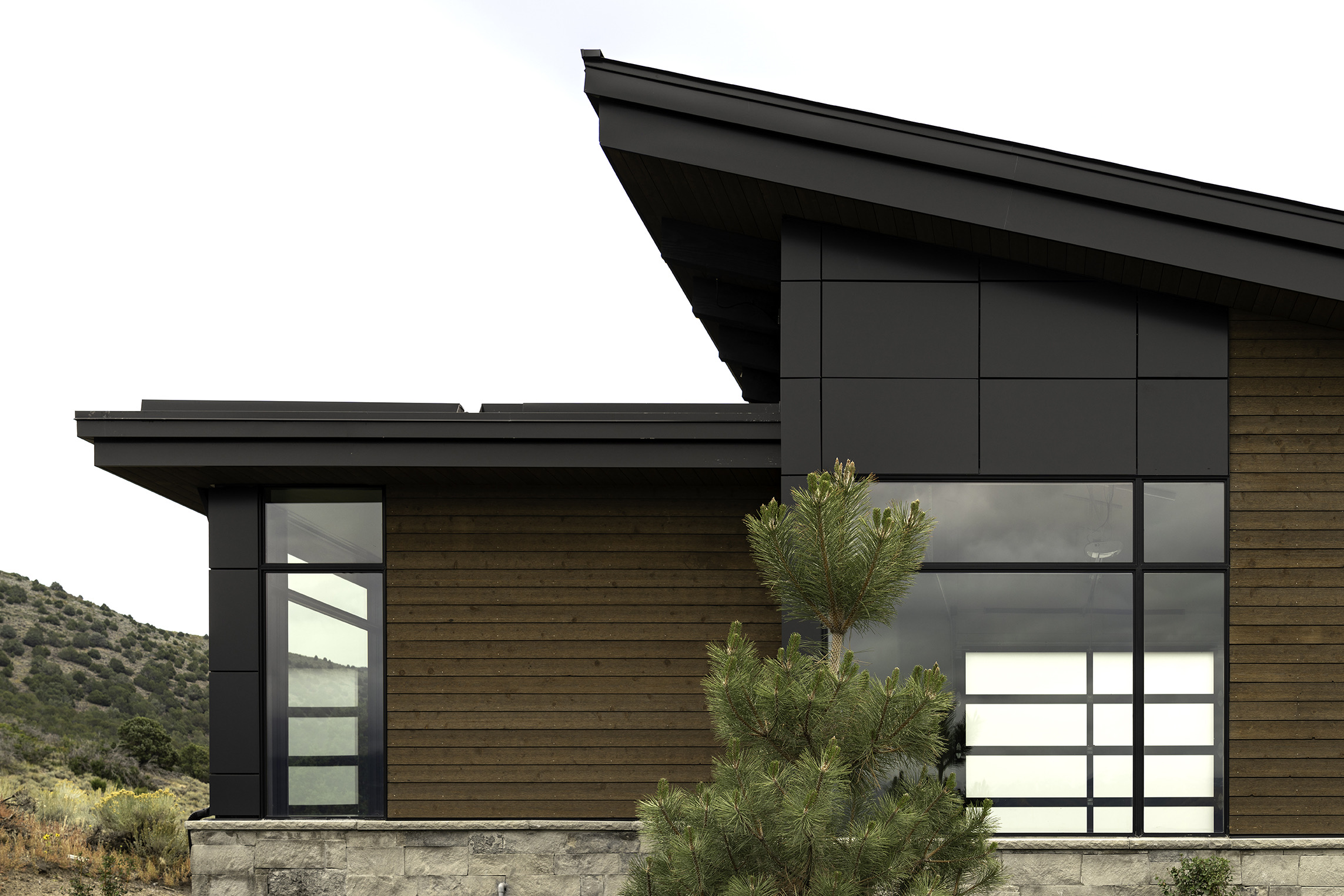
If you’ve looked at modern mountain homes in places like Park City, Deer Valley, or Promontory, you’ve probably noticed that many feature standing seam roofing.
Part of that comes down to aesthetics.
Without visible fasteners, standing seam creates long, uninterrupted lines that complement contemporary architecture. The roof becomes part of the home’s design rather than simply a layer of protection.
There’s also a performance advantage. Because the panels are attached with concealed clips instead of fixed screws, they can naturally expand and contract as temperatures change throughout the year.
In Utah, where roofs experience heavy snow, freezing winters, and hot summer afternoons, that flexibility can be an important part of a roof’s long-term performance.
When Is Exposed Fastener Metal Roofing the Right Choice?
This is one of the biggest misconceptions we hear.
Exposed fastener roofing isn’t a “cheap version” of standing seam. It’s simply designed for different applications.
For agricultural buildings, equipment shops, warehouses, maintenance facilities, and many commercial projects, exposed fastener systems offer an excellent combination of durability and value.
They’re quicker to install, require fewer specialty components, and often make more sense for buildings where architectural appearance isn’t the primary focus.
Like any roofing system, though, they have different maintenance expectations.
Standing Seam vs. Exposed Fastener: Which Requires More Maintenance?
No roof is completely maintenance-free.
With standing seam roofing, the fastening system is protected beneath the panels, so there are fewer components exposed to rain, snow, and UV rays.
On an exposed fastener roof, every screw includes a rubber washer that helps create a weather-tight seal. Over time, those washers naturally age from exposure to sunlight and changing temperatures.
That doesn’t mean you’ll constantly be replacing screws, but it does mean routine roof inspections become an important part of maintaining the system.
In fact, we recommend regular inspections for every type of roof, not just metal roofing. Catching small issues early is almost always less expensive than waiting for them to become larger repairs.
Standing Seam vs. Exposed Fastener: Which Costs More?
Standing seam roofing typically requires a larger upfront investment.
The panels are fabricated differently, installation is more specialized, and the detailing around valleys, ridges, chimneys, and transitions is often more complex.
Exposed fastener systems are generally more economical, making them a practical solution for many commercial and agricultural buildings.
But cost shouldn’t be evaluated only on installation day.
When choosing a roofing system, it’s worth thinking about how long you plan to own the building, the level of maintenance you’re comfortable with, and the overall architectural vision for the project.
How to Choose the Right Metal Roofing System for Your Project
There isn’t one answer that fits every project.
If you’re building a custom home where design, longevity, and architectural detail are priorities, standing seam is often the system homeowners and architects choose.
If you’re constructing a warehouse, shop, barn, or another building where practicality and value are the primary goals, an exposed fastener system may be the better fit.
The best roofing system is the one that matches the purpose of the building, not simply the one with the highest price tag.
Final Thoughts
Choosing between standing seam and exposed fastener roofing isn’t about finding a winner. It’s about understanding what each system was designed to do.
The more you understand how each roof performs, the easier it becomes to select a system that fits your building today and continues performing well for years to come.
Whether you’re still exploring your options or already working with an architect or builder, having these conversations early in the design process can help avoid costly changes later on.
Frequently Asked Questions
Is standing seam roofing stronger than exposed fastener roofing?
Both systems are durable when properly installed. Standing seam roofing is often selected for projects requiring concealed fasteners, enhanced architectural appearance, and reduced fastener-related maintenance.
Why is standing seam roofing more expensive?
Standing seam roofing requires specialized fabrication, concealed clip systems, and more detailed installation, which contributes to a higher upfront cost.
Does exposed fastener roofing leak?
A properly installed exposed fastener roof should not leak. Like any roofing system, routine inspections and maintenance help ensure long-term weather protection.
Which roofing system lasts longer?
The lifespan of either system depends on the material, installation quality, environment, and maintenance. Standing seam roofs often require less fastener-related maintenance because the fastening system is concealed.
Which roofing system is best for mountain homes?
Many luxury mountain homes utilize standing seam roofing because it performs well in snow-prone climates, accommodates thermal movement, and complements modern architectural design.