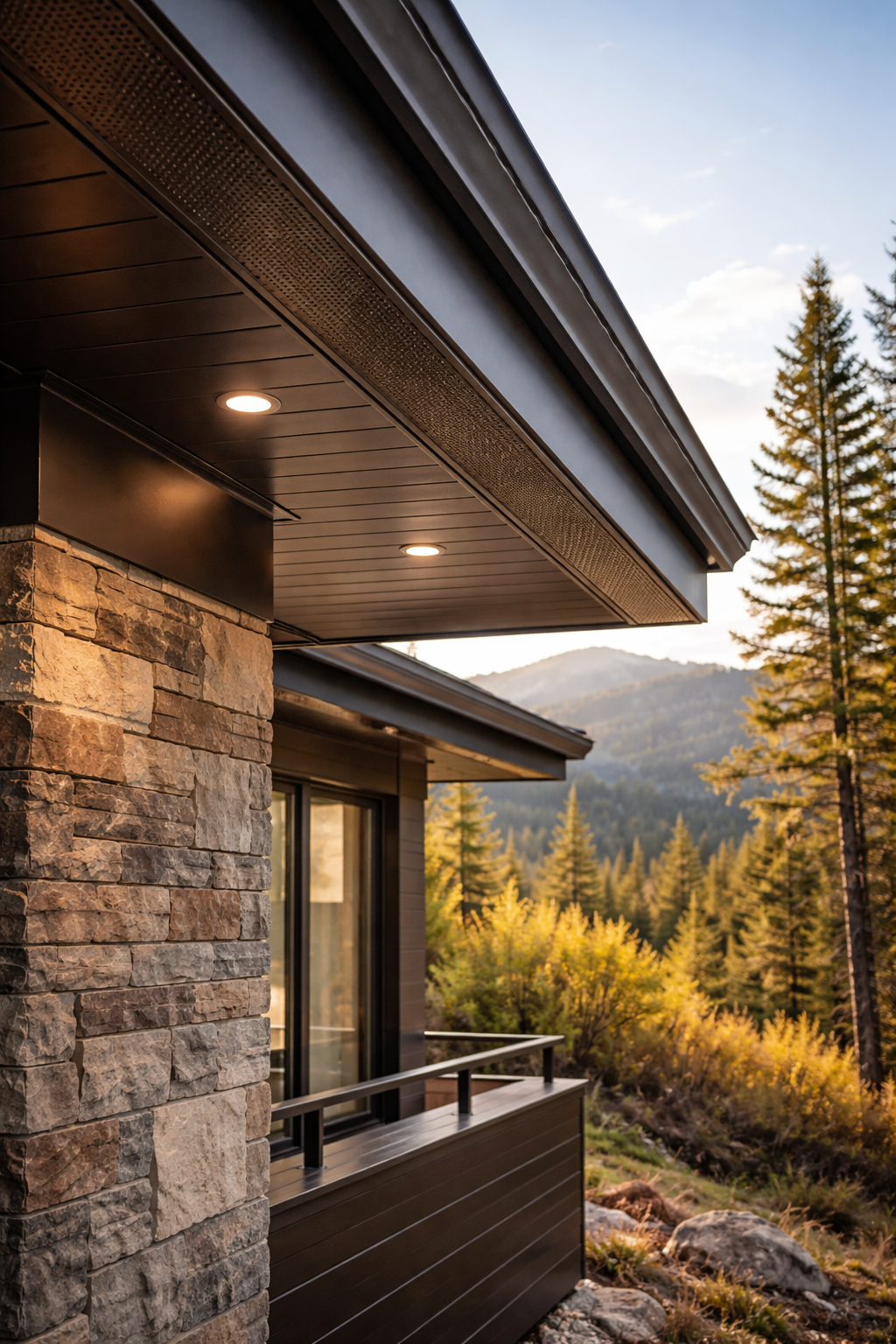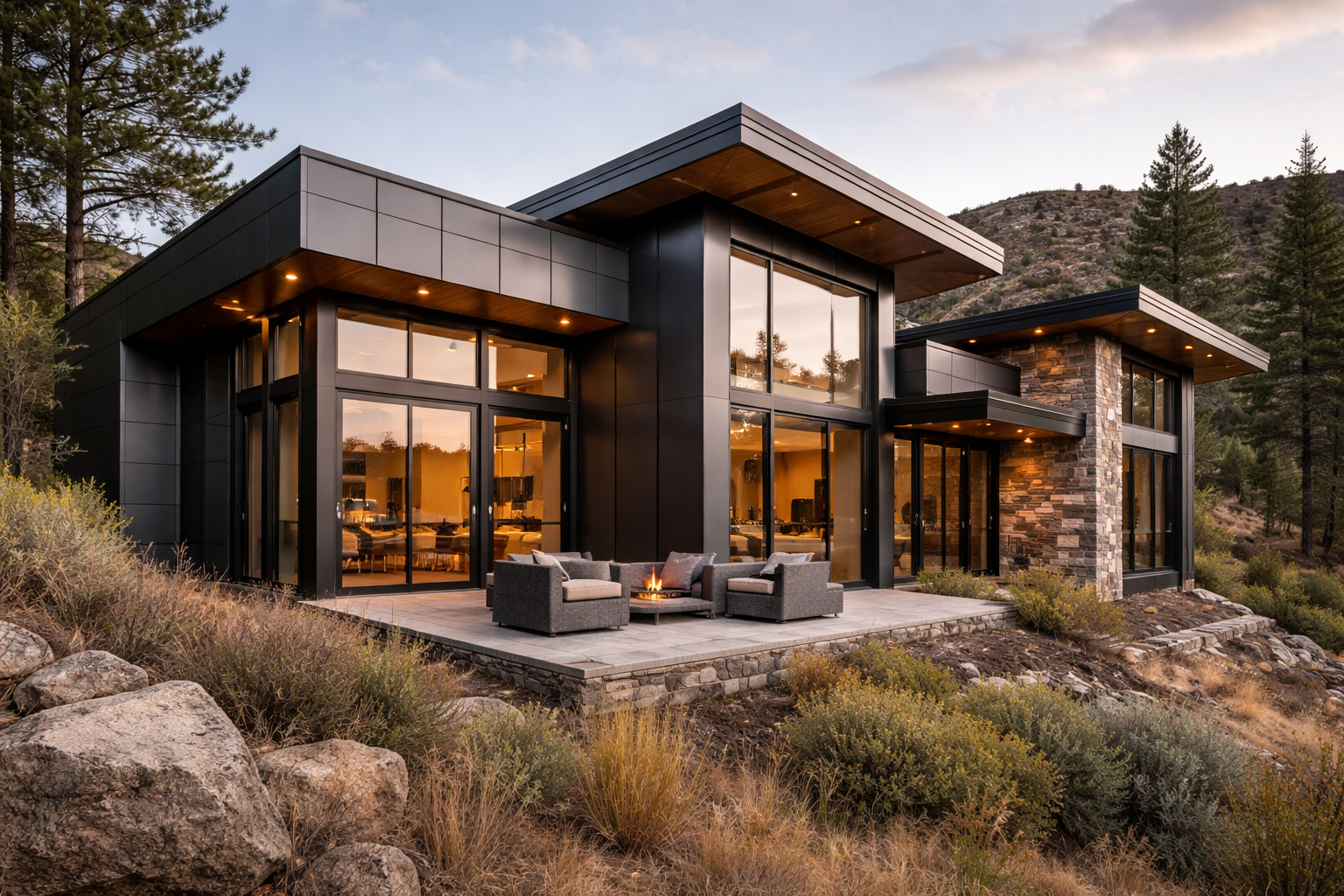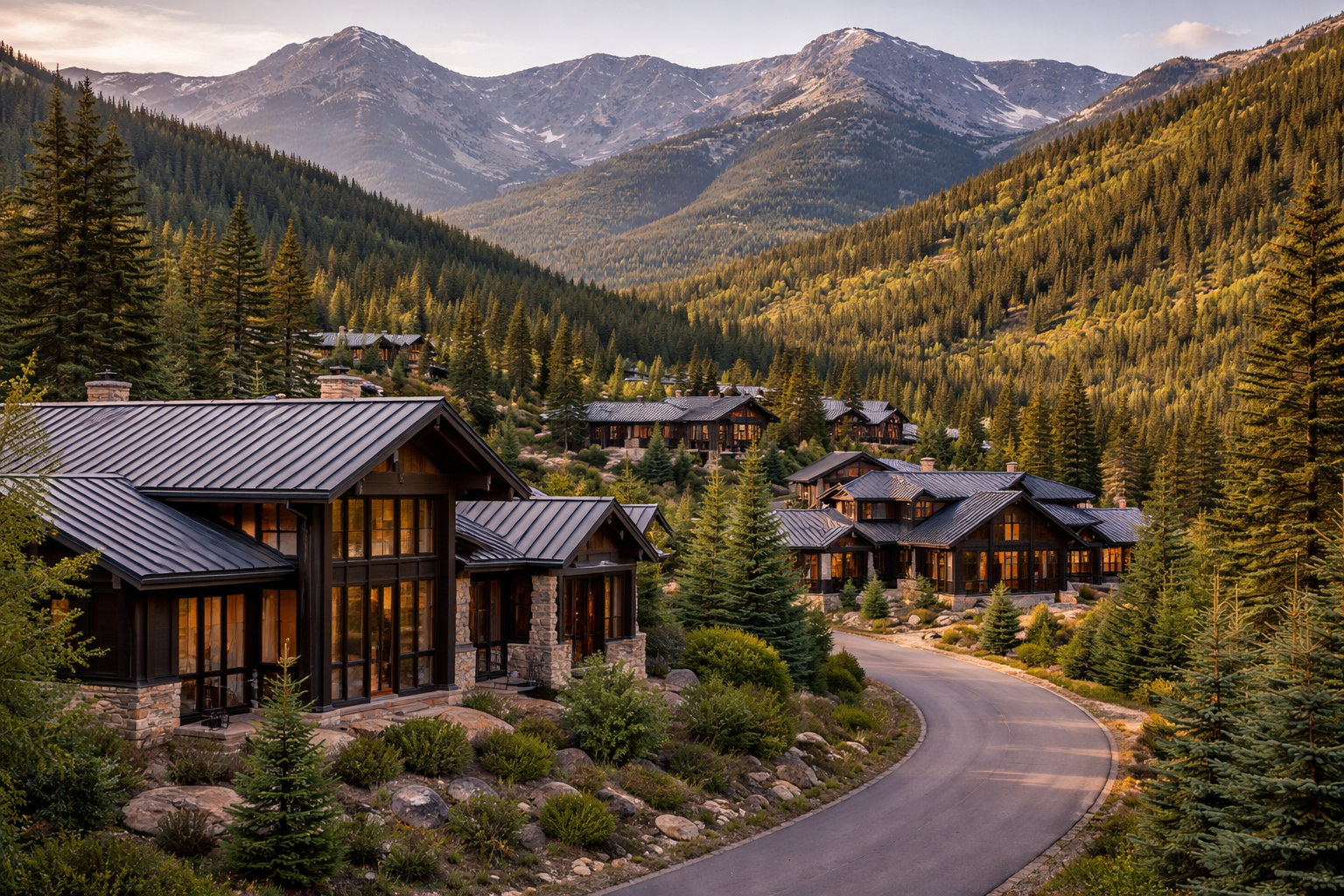

Metal wall panels give homes and commercial buildings a sleek, modern look. However, those subtle waves or ripples you notice are often oil canning, a common and sometimes confusing phenomenon in metal construction. While mostly cosmetic, oil canning can influence curb appeal, perceived craftsmanship, and even home value, especially on high-end Park City properties.
If you’re a homeowner or builder, understanding why oil canning happens, how to prevent it, and what steps to take if it appears is essential. This guide covers the main causes, practical prevention tips, inspection strategies, and ways to minimize its impact across all metal surfaces. We’ll also link to related content on facades, fascia, and metal roof oil canning, so you can build a comprehensive maintenance approach.
What Causes Oil Canning in Wall Panels
Oil canning occurs when flat metal surfaces show visible ripples or waves. Common causes include:
1. Temperature Fluctuations
Metal expands and contracts with heat and cold, creating subtle waves over time. Park City’s mountain climate with freeze-thaw cycles makes panels particularly susceptible.
2. Installation Factors
Misaligned panels, uneven fastening, or inconsistent tension can make waviness more noticeable. Even minor errors during installation can become visible when sunlight reflects off the metal surface.
3. Material Selection
Wider panels, certain coatings, or thinner gauges may be more prone to oil canning if not properly engineered. High-quality, coated metals are less likely to show ripples.
4. Structural Movement
Settling, framing shifts, or thermal movement in the building can stress panels, producing cosmetic waves.
While mostly cosmetic, the waviness caused by oil canning can subtly affect the appearance of your wall panels, particularly on luxury homes or buildings where every visual detail counts.
Preventing Oil Canning in Wall Panels
Prevention is key. Once oil canning appears on a properly installed panel, it’s usually difficult to fully remove. Follow these steps to reduce visible ripples and protect your investment:
- Choose High-Quality Materials: Opt for coated metals, proper panel thickness, and engineered panels designed for your building’s width and location.
- Work with Experienced Installers: Professionals understand proper alignment, fastener placement, and tensioning. A skilled crew can prevent installation-related oil canning before it starts.
- Maintain Proper Panel Spacing: Correct spacing and fastener placement reduce stress points, minimizing ripples over time.
- Regular Inspection and Maintenance: Walk around your building after heavy snow, ice, or extreme temperature swings. Catching minor ripples early prevents them from worsening.
- Document Changes Over Time: Take seasonal photos of your wall panels. Comparing them over time allows professionals to identify problem areas early, ensuring minimal visual impact.
How Oil Canning Affects Your Property
Even though these waves are cosmetic, they can have real impacts:
- Visual Appeal: Wavy panels are noticeable, especially on large wall surfaces or long runs. They can distract from the clean, modern look that makes metal panels appealing.
- Perceived Quality: Buyers, appraisers, or visitors may assume installation errors or lower-quality materials, subtly influencing home value.
- Maintenance Awareness: Minor buckling highlights stress points, signaling the need for regular inspections and proactive care.
Inspection and Maintenance for Maximum Home Value
Protecting your investment goes beyond preventing waves—it’s about maintaining aesthetics and long-term value. Here’s a step-by-step approach:
- Regular Visual Checks: Inspect panels after snow, ice, or extreme temperature swings.
- Document and Compare: Take photos of wall panels seasonally to track changes over time.
- Address Minor Ripples Quickly: Small adjustments prevent cosmetic issues from affecting perceived quality.
- Professional Seasonal Inspection: A metal roofing expert can correct tension or alignment issues that could reduce visual appeal.
Even with preventive steps, oil canning on properly installed panels is largely cosmetic. The goal is to prevent new waves and maintain value, rather than fully “fix” existing ones.
Conclusion
Waves and subtle ripples are a natural part of metal wall panels, but they don’t have to detract from your home’s appearance, curb appeal, or overall value. By choosing high-quality materials, working with experienced installers, and staying proactive with inspections and maintenance, you can minimize new waves, maintain a polished look, and protect your investment.
Even if minor undulations appear, addressing them early ensures they don’t worsen, preserving the clean, modern aesthetic that makes metal panels so desirable. This proactive approach not only maintains visual appeal but also demonstrates careful attention to detail—something buyers and appraisers notice, particularly in luxury Park City neighborhoods.
Ultimately, keeping panels smooth, aligned, and visually striking is about more than aesthetics—it’s about protecting quality, craftsmanship, and property value for years to come. With consistent care, professional guidance, and the right materials, your metal wall panels can continue to enhance your home’s beauty and market competitiveness.
FAQ – Oil Canning in Wall Panels
Q1: Is oil canning dangerous?
A: No. It is typically cosmetic and does not compromise structural integrity.
Q2: Can oil canning be fixed after installation?
A: On properly installed panels, complete removal is difficult. Prevention and minor adjustments are the best approach.
Q3: How often should I inspect my wall panels?
A: At least annually, and after extreme weather events.
Q4: Which materials help prevent oil canning?
A: Coated metals, engineered panel widths, and the correct thickness for your building location.
Q5: Can professionals help minimize oil canning?
A: Yes. Experienced installers ensure proper alignment and tension to reduce visible waves.