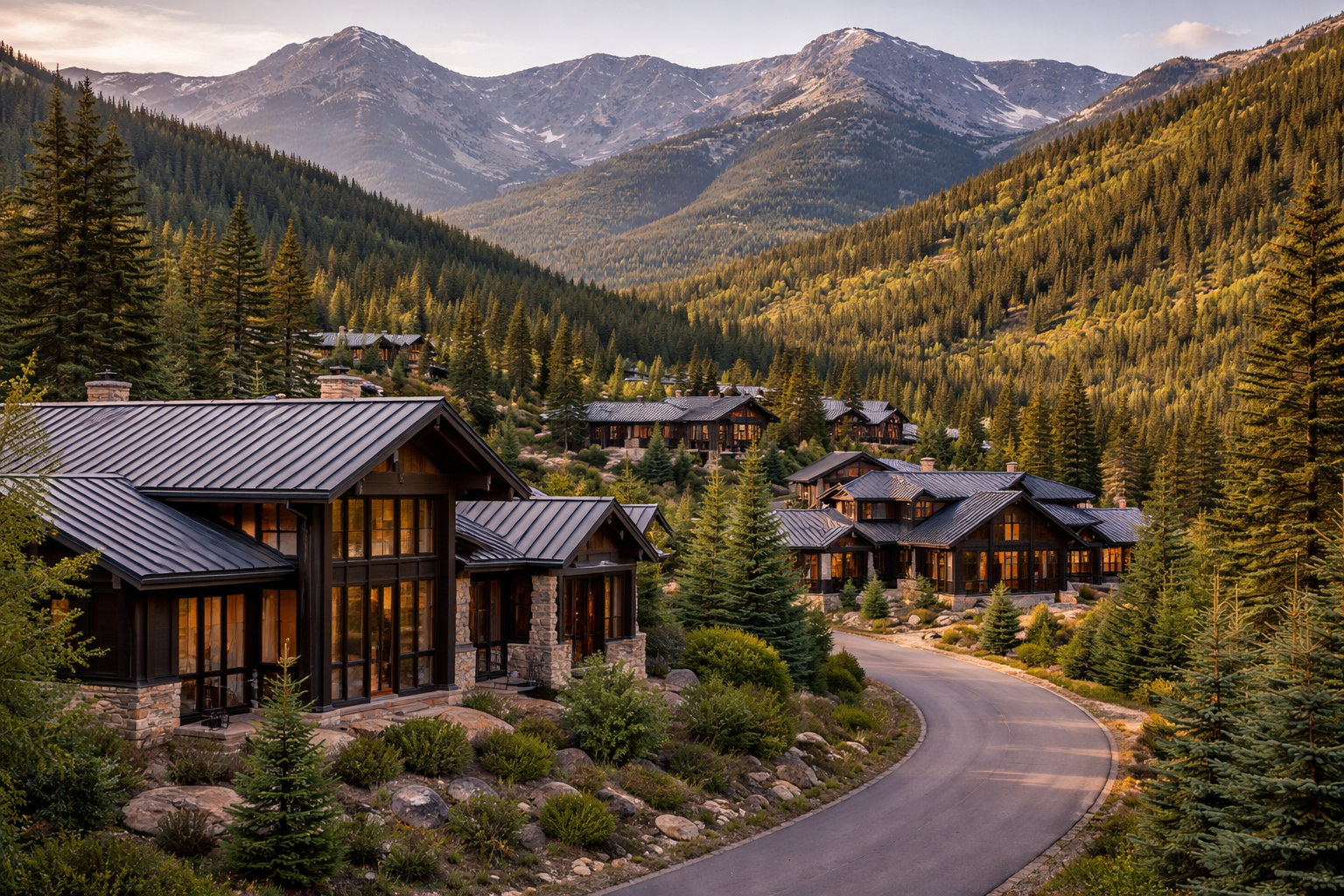

For homeowners, the roof is more than just an aesthetic feature; it’s the first and most critical barrier against nature’s fury. And when it comes to residential roofing, shingles are, without a doubt, the most popular and practical choice.
With 20 years in the industry, I’ve seen technologies evolve and materials improve. This guide will take you through everything you need to know about shingle roofing, helping you make an informed decision for your most valuable asset: your home.
What Makes Shingles the King of Roofing?
The enduring popularity of roof shingles—individually overlapping elements—comes down to a perfect blend of affordability, durability, and versatility.
Asphalt Shingles: The Industry Standard
When most people talk about shingles, they are referring to Asphalt Shingles. These are the most common type in North America and for good reason.
- Composition: Made from a fiberglass mat that is coated on both sides with an asphalt compound, then topped with ceramic granules.
- The Power of Granules: Those ceramic granules aren’t just for color! They protect the asphalt from damaging UV rays, which is the key to the shingle’s longevity.
The Science of a Shingled Roof System
A shingled roof is a system, not just a layer of tiles. Understanding these components is vital for ensuring proper installation and maximum longevity.
1. The Deck and Underlayment
Before a single shingle is laid, the structure must be prepared.
- Roof Deck: The plywood or OSB sheathing that provides the structural base for everything above it.
- Underlayment: A protective layer (historically felt, now often synthetic) that is rolled out over the deck. It acts as a secondary water barrier in case water breaches the shingles.
2. Ice and Water Shield (IWS)
This is a crucial, self-adhering membrane applied to the most vulnerable areas of the roof, such as:
- The eave edges (to prevent ice damming).
- Around chimneys, vents, and skylights.
The IWS is the ultimate safeguard against water penetration in severe weather.
3. Proper Ventilation: The Unsung Hero
Many roofing failures can be traced back to poor ventilation in the attic.
💡 Veteran Tip: A balanced ventilation system (inlets at the soffit/eaves and outlets at the ridge) is essential. It keeps the attic cool in the summer, preventing shingles from “baking” and extending their life. In winter, it prevents moisture buildup that can rot the deck and cause ice dams.
Recognizing the Signs It’s Time for a Replacement
Your roof doesn’t just fail overnight. It gives you warnings. As a homeowner, you should inspect your roof (from the ground or a ladder, safely!) regularly for these red flags:
- Curling or Clawing Shingles: Shingles that curl upward (cupping) or have edges that turn down (clawing) are likely past their prime and vulnerable to wind uplift.
- Missing Granules: If you see large amounts of colored granules accumulating in your gutters, it means the shingle’s protective UV layer is eroding. This exposes the asphalt to the sun, accelerating aging.
- Missing or Cracked Shingles: A clear sign of wind or storm damage. Cracks can allow water to penetrate to the underlayment.
- Visible Sagging: This is a severe structural issue, often indicating a problem with the roof deck or underlying supports, requiring immediate professional attention.
- Water Stains in the Attic: The most definitive sign that your roof system has failed to keep water out.
Making the Investment: Cost vs. Longevity
While a new roof is a significant investment, it’s one of the few improvements that offers both high aesthetic value and critical protection. Always consider the cost over time.
A cheaper 3-Tab shingle might save you money now, but if it lasts only 15 years while an Architectural shingle lasts 30, the higher-quality option is actually more economical in the long run. Durability is synonymous with value.
Investing in a quality shingle roof is investing in peace of mind. By understanding the components, choosing the right material, and recognizing the signs of wear, you can ensure your home’s roof is ready to face decades of weather.