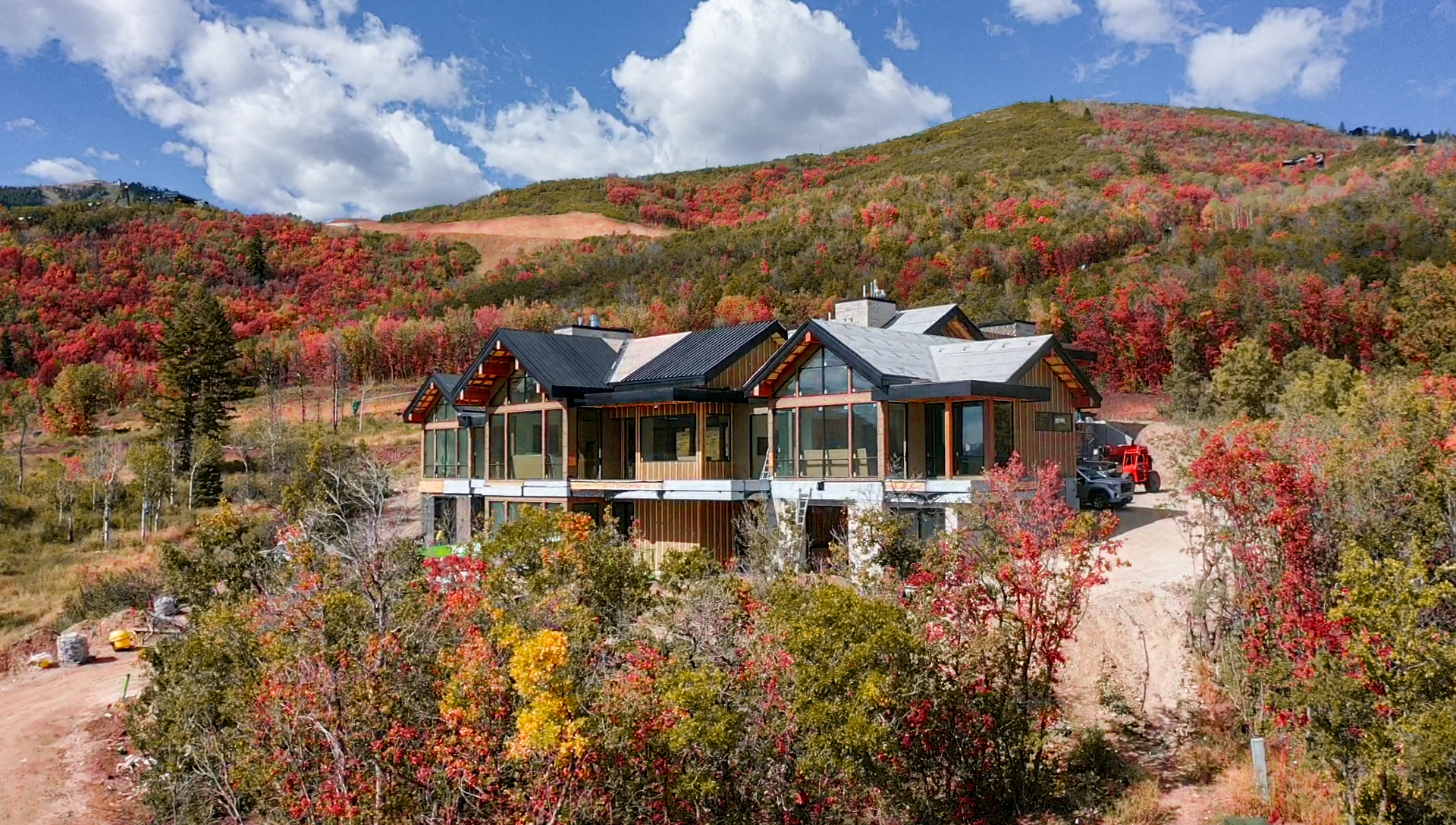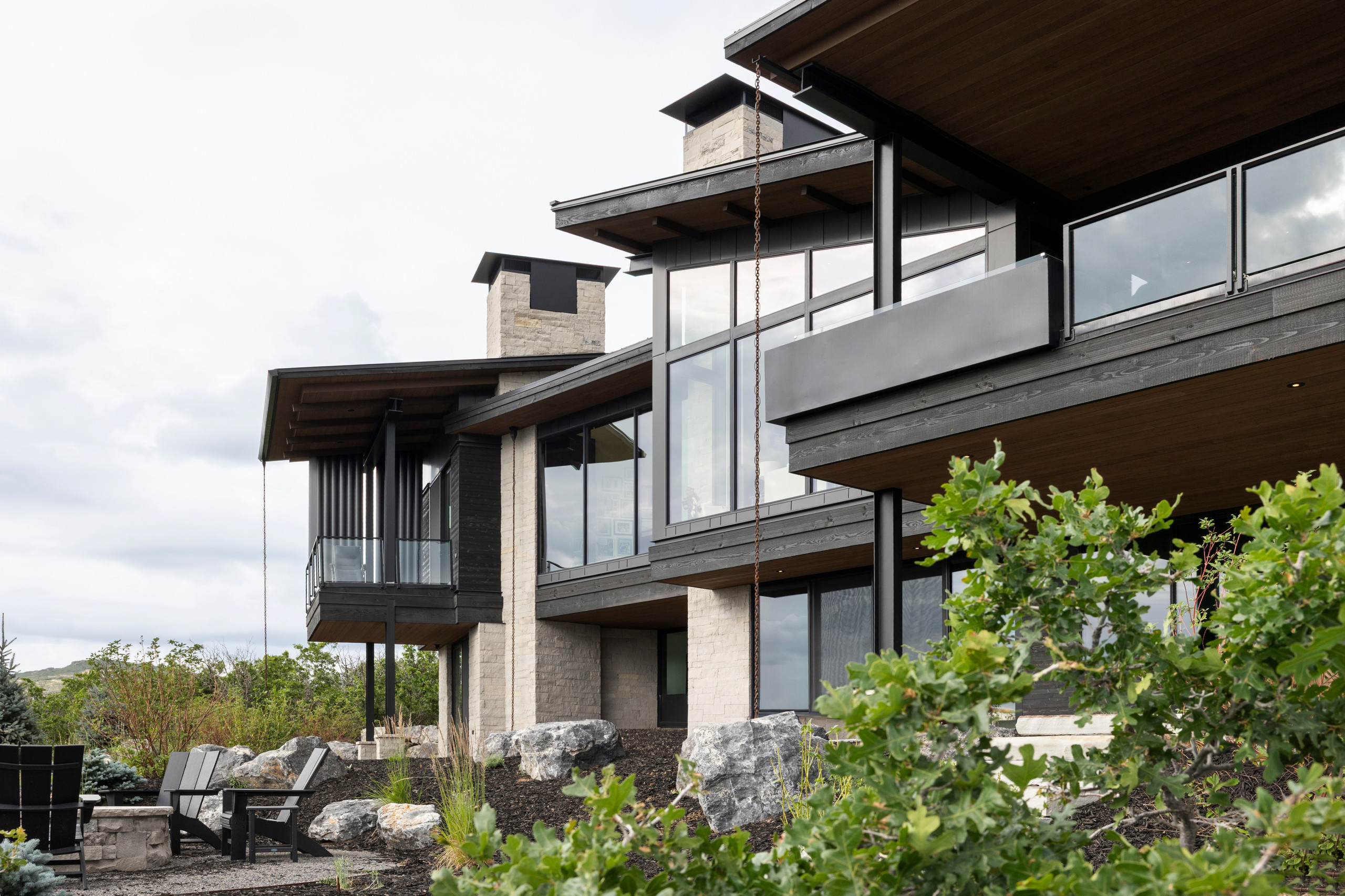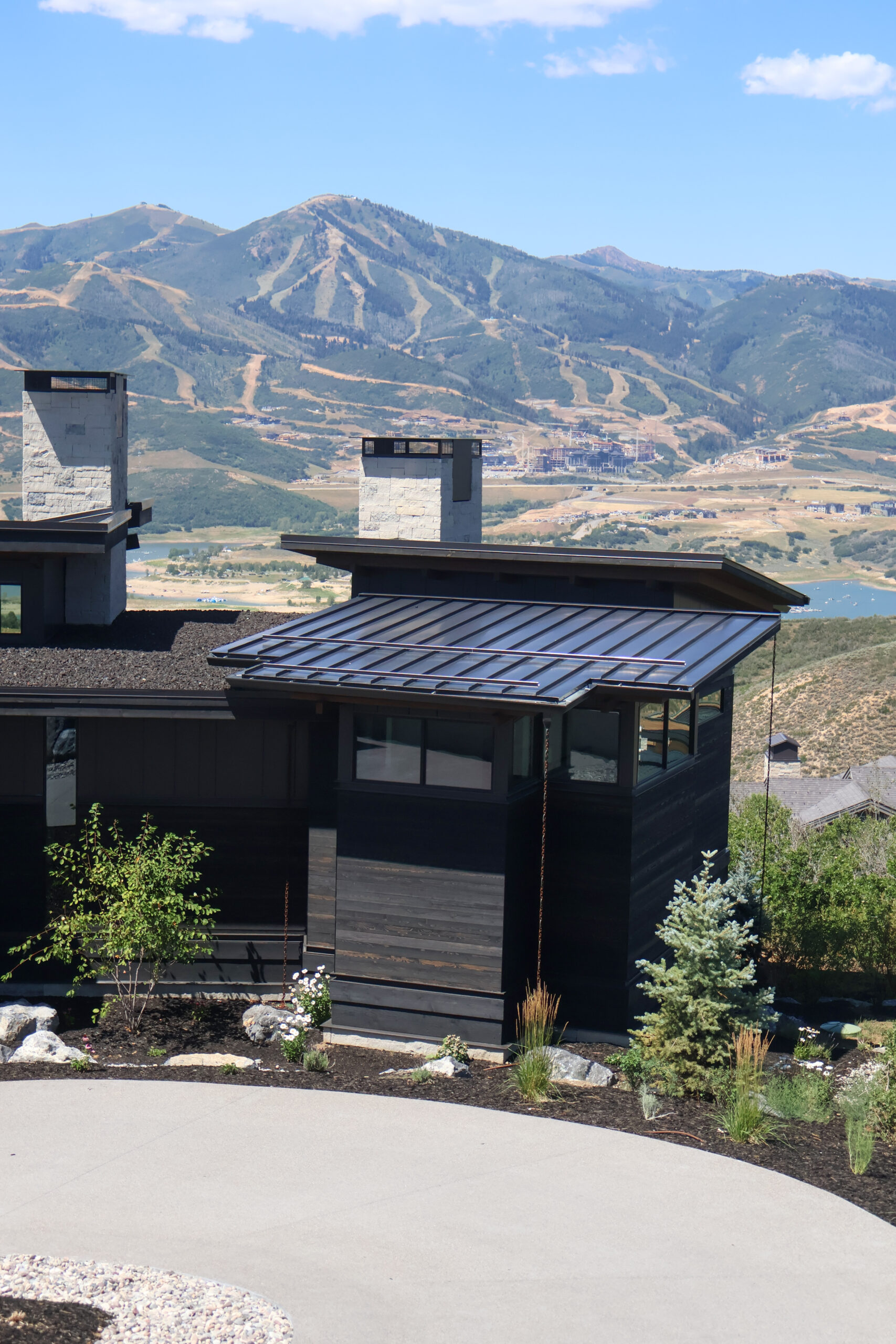

As modern home design continues evolving in places like Park City and throughout Utah, more homeowners are comparing exterior wall panels with traditional siding systems. While both serve the same general purpose. Protecting the home from weather and exterior exposure, they create very different results visually and long term.
In mountain environments especially, exterior materials need to handle more than appearance alone. Snow, moisture, UV exposure, freeze and thaw cycles, and seasonal temperature swings all affect how exterior systems age over time.
Because of that, choosing between wall panels and traditional siding usually comes down to a combination of architectural style, maintenance expectations, durability, and how the exterior system is expected to perform in Utah’s climate.
What Is Traditional Siding?
Traditional siding is what most homeowners picture when they think about residential exterior materials.
Common traditional siding options include:
- Fiber cement siding
- Engineered wood siding
- Natural wood siding
- Lap siding
- Vinyl siding
These systems are typically installed in smaller overlapping sections designed to help move water away from the structure.
Traditional siding remains popular because it works across many architectural styles and generally offers more flexibility in texture, color, and price point. Homes with more classic mountain architecture often lean toward traditional siding because it creates warmth and visual texture that fits naturally into residential neighborhoods.
What Are Exterior Wall Panels?
Wall panels are larger-format exterior systems commonly used in modern and contemporary architecture.
These systems may include:
- Metal wall panels
- Composite cladding systems
- Architectural flat panels
- ACM panels
- Engineered panel systems
Unlike traditional siding, wall panels are usually designed to create cleaner lines, sharper transitions, and larger uninterrupted surfaces. In Park City, wall panels have become increasingly common on custom homes because they pair naturally with modern architecture and integrate well with contemporary roofing systems.
The Biggest Difference Is Usually Visual
For most homeowners, the first noticeable difference between siding and wall panels is the overall appearance of the home.
Traditional siding tends to create:
- More texture
- Smaller repeating lines
- A more classic residential feel
Wall panels are often chosen because they create:
- Cleaner architectural lines
- Flatter surfaces
- Sharper edge conditions
- More minimal exterior design
That’s one reason wall panels are commonly associated with contemporary homes, while traditional siding remains more common on classic or transitional architecture.
Neither approach is necessarily better—it depends on the overall goals of the project.
How They Perform in Utah’s Climate
Exterior systems in Utah deal with a wide range of environmental conditions throughout the year. Heavy snow, spring runoff, UV exposure at elevation, and freeze and thaw cycles all place stress on exterior materials differently over time.
Wall panel systems are often selected because they handle moisture well, require less visible maintenance, and integrate cleanly with modern drainage systems. Many metal and composite systems also hold up well under prolonged UV exposure.
Traditional siding systems can still perform very well, but maintenance expectations may vary depending on the material selected and how exposed the home is to weather conditions.
Homeowners often choose wall panels for:
- Cleaner architectural lines
- Lower maintenance expectations
- Modern exterior aesthetics
- Durability in changing weather conditions
In either case, installation quality plays a major role in long-term performance.
Maintenance Expectations
Maintenance is often one of the biggest deciding factors when homeowners compare exterior systems.
Traditional siding materials, particularly natural wood products may require:
- Repainting
- Sealing
- Moisture monitoring
- Periodic repairs over time
Many wall panel systems, especially metal and composite products, are selected because they generally require less ongoing maintenance while maintaining a cleaner appearance longer.
That said, no exterior system is completely maintenance-free. Drainage, flashing, sealants, and transitions still need to perform properly regardless of the material selected.
Installation and Detailing
Wall panel systems often require a higher level of installation precision because modern exterior designs leave less room to hide inconsistencies.
Details such as:
- Panel alignment
- Reveal spacing
- Edge conditions
- Transition detailing
- Fastening systems
Become highly visible once the project is complete.
Traditional siding systems can sometimes conceal smaller inconsistencies more easily because of their layered design and texture.
For both systems, proper detailing around moisture management and drainage is critical.
Cost Differences
Wall panel systems are often associated with higher upfront costs because of:
- Fabrication requirements
- Installation complexity
- Architectural detailing
- Material pricing
Traditional siding systems may offer more flexibility depending on the material selected and the complexity of the home.
However, long-term considerations matter too. Maintenance expectations, durability, and lifespan can all affect ownership costs over time. The least expensive option initially is not always the most cost-effective long term.
Which Option Is Better?
The right exterior system depends on the goals of the project.
Wall panels are often preferred for:
- Modern architecture
- Cleaner exterior aesthetics
- Integrated roofing and cladding systems
- Lower maintenance expectations
Traditional siding is often preferred for:
- Classic residential styles
- Textured exterior appearances
- Traditional mountain architecture
- Certain budget considerations
The best results usually come from choosing a system that supports both the architectural design and the environmental demands of the property.
Final Thoughts
Exterior materials have a major impact on how a home looks, performs, and ages over time. In Park City and throughout Utah, choosing between wall panels and traditional siding involves more than aesthetics alone.
Climate performance, installation quality, maintenance expectations, and architectural style all influence how well an exterior system performs long term.
As modern home design continues evolving, wall panels have become increasingly common—but both systems can work well when selected thoughtfully and installed correctly.
Frequently Asked Questions
What is the difference between wall panels and traditional siding?
Traditional siding is typically installed in smaller overlapping sections, while wall panels are larger-format systems designed to create cleaner, more modern exterior surfaces.
Are wall panels better than siding?
Not necessarily. Both systems serve different architectural and performance goals. The right choice depends on design preferences, maintenance expectations, and climate conditions.
Do wall panels require less maintenance?
Many metal and composite wall panel systems require less visible maintenance than natural wood siding or certain traditional materials.
Are wall panels good for Utah homes?
Yes. Wall panels are commonly used on modern homes in Utah because they perform well under changing weather conditions and integrate cleanly with contemporary architecture.
Do wall panels cost more than traditional siding?
Wall panel systems often involve higher upfront costs due to fabrication and installation complexity, though maintenance costs may be lower over time.