
If you live in the mountains around Park City, Wasatch County, or Summit County, you may have started hearing the term WUI more often, whether it’s from your HOA, property manager, or during a building permit review.
WUI stands for Wildland Urban Interface, and it’s becoming a big topic as more communities expand into forested and wildfire-prone areas.
Cities and counties across Utah are starting to roll out updated building requirements for homes in these zones. The goal is simple: reduce wildfire risk and make homes more resistant to ignition.
One of the first things these regulations often address is roofing.
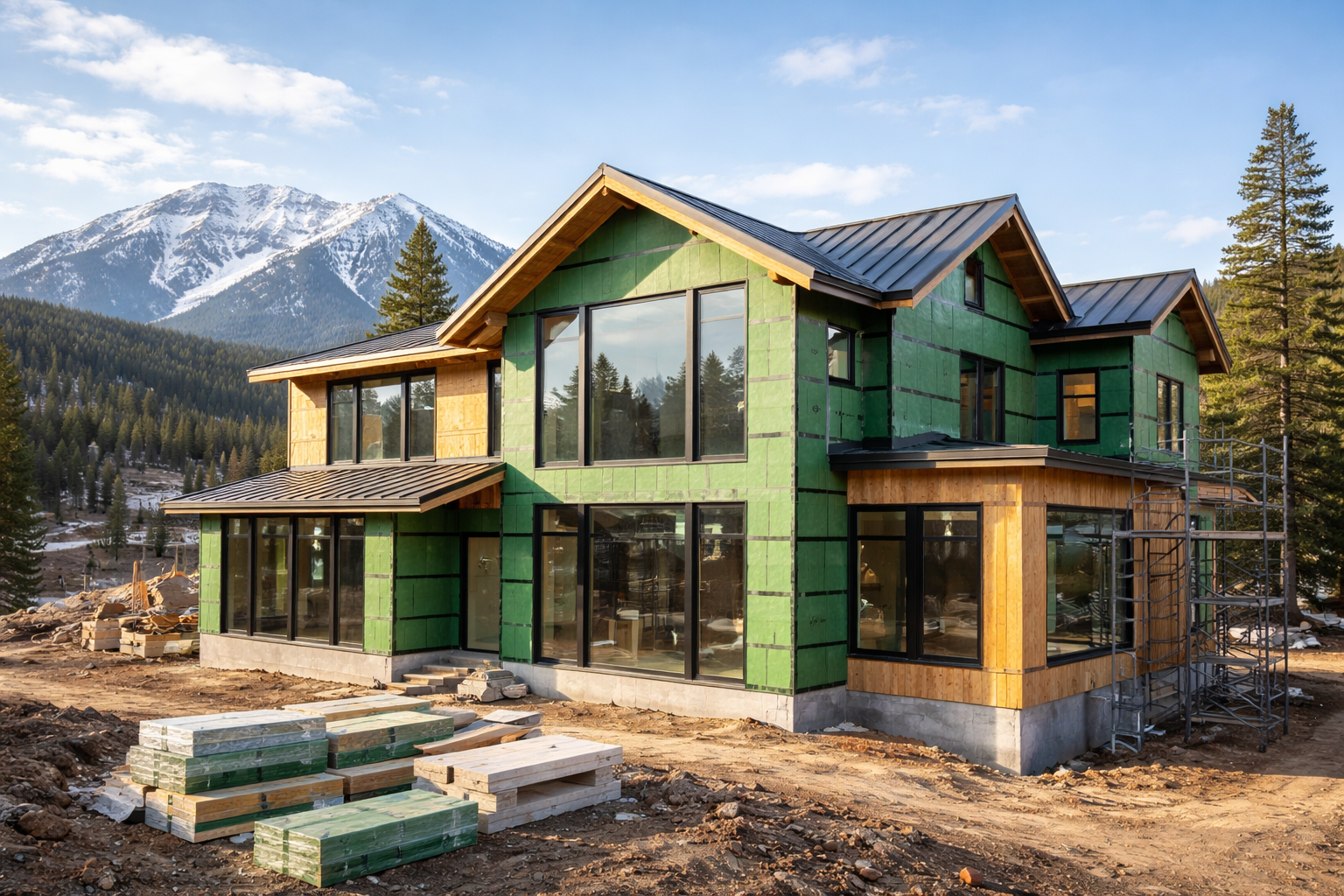
If you’re planning a roof replacement, remodel, or new build in a WUI area, the roofing materials you choose may need to meet specific fire-resistant standards.
What Is the Wildland Urban Interface (WUI)?
The Wildland Urban Interface is basically where residential neighborhoods meet natural vegetation like forests, brush, or open land.
These areas carry a higher wildfire risk because fires can move quickly from natural terrain into neighborhoods.
According to the U.S. Fire Administration, the Wildland Urban Interface is one of the fastest-growing wildfire-risk areas in the country as development continues to expand into mountain and forested regions.
That’s why more municipalities are adopting WUI building requirements that focus on reducing the chance a home ignites during a wildfire.
These codes typically regulate things like:
- Roofing materials
- Exterior siding
- Deck construction
- Vents and soffits
- Landscaping and defensible space
Out of all of these, roofing tends to be one of the biggest priorities.
Why Roofing Matters So Much in WUI Zones
Most people picture homes burning because flames reach them directly.
But in reality, most homes ignite from wind-blown embers.
During a wildfire, embers can travel long distances ahead of the fire front and land on rooftops.
If the roof is made from combustible material, like untreated wood shake, those embers can ignite it quickly.
That’s why many WUI codes require Class A fire-rated roofing, which is the highest fire resistance rating available. Many of these guidelines are based on fire safety standards from organizations like the National Fire Protection Association.
Some of the most common WUI-approved roofing materials include:
- Metal roofing systems
- Composite roofing
- Fire-rated asphalt shingles
- Clay or concrete tile
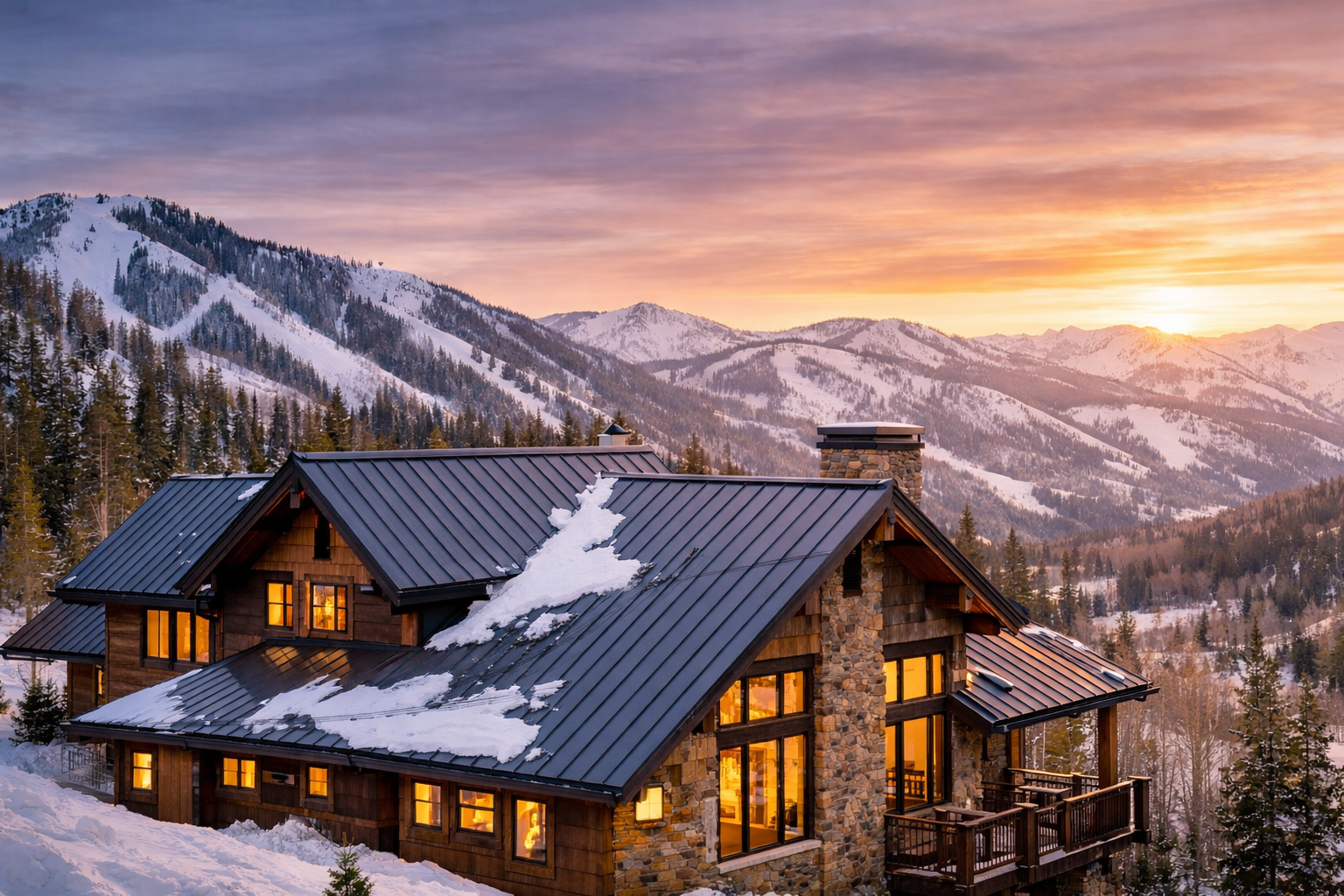
Out of these options, metal roofing is becoming one of the most popular choices in mountain communities.
WUI Programs Expanding Across Utah
Communities across Utah have started updating building codes to address wildfire risk, especially in mountain regions.
Areas around Park City, Summit County, and Wasatch County are seeing increasing attention as development expands further into wooded terrain.
State agencies have also increased focus on wildfire prevention and mitigation efforts to help reduce risk in these growing communities.
These programs often include:
- Updated WUI zone maps
- New fire-resistant construction requirements
- Stricter permitting for remodels and new builds
- Community wildfire preparedness planning
For homeowners, this means roof replacements or major exterior upgrades may need to follow WUI guidelines, depending on the location of the property.
Why Metal Roofing Is a Popular Choice in WUI Areas
As WUI regulations expand across Utah, many homeowners are turning to metal roofing because it offers strong fire resistance and long-term durability in wildfire-prone mountain environments.
First, metal is non-combustible, meaning it won’t ignite from embers.
Metal roofing offers several major advantages in wildfire-prone areas.
Second, many metal roofing systems qualify for Class A fire ratings, which meet WUI requirements in most jurisdictions. Many insurance providers are also starting to factor wildfire risk into policy approvals. Homeowners looking to reduce risk and improve coverage can explore ways to make their roof more insurable, especially in wildfire-prone regions where fire-resistant roofing materials are becoming increasingly important.
And beyond fire protection, metal roofing also performs extremely well in mountain climates like Park City, where snow loads and weather exposure can be tough on traditional roofing materials.
Metal roofs can last 40–70 years, making them a long-term investment for many homeowners.
What Homeowners Should Do Before Replacing a Roof
If you live near open land, forests, or mountain terrain, it’s worth checking whether your property falls inside a Wildland Urban Interface zone.
Before starting a roofing project, homeowners should:
- Check local WUI zoning maps
- Confirm which roofing materials are approved
- Work with a contractor familiar with WUI building codes
- Plan ahead for potential permit requirements
Many homeowners don’t realize they’re in a WUI zone until they start a project, which can sometimes slow things down if materials need to be changed.
A little planning ahead can make the process much smoother.
The Bottom Line
Wildfire risk is something many western communities are taking more seriously, and building codes are evolving to match that reality.
The expansion of WUI regulations is designed to make homes more resilient and reduce the spread of wildfire into neighborhoods.
For homeowners, that means roofing decisions are starting to involve more than just appearance or cost.
Choosing fire-resistant roofing materials can play a major role in protecting a home in the years ahead.