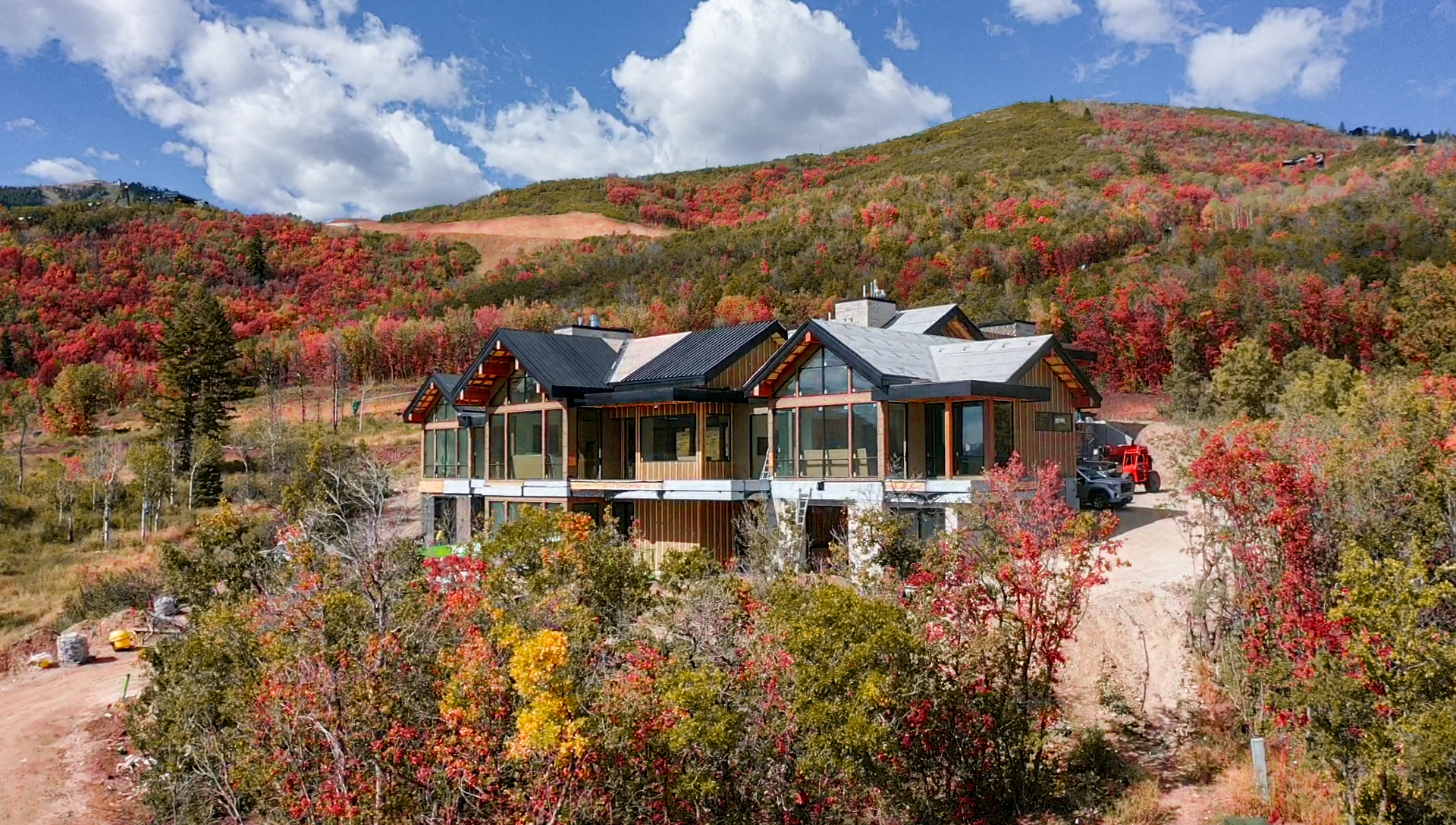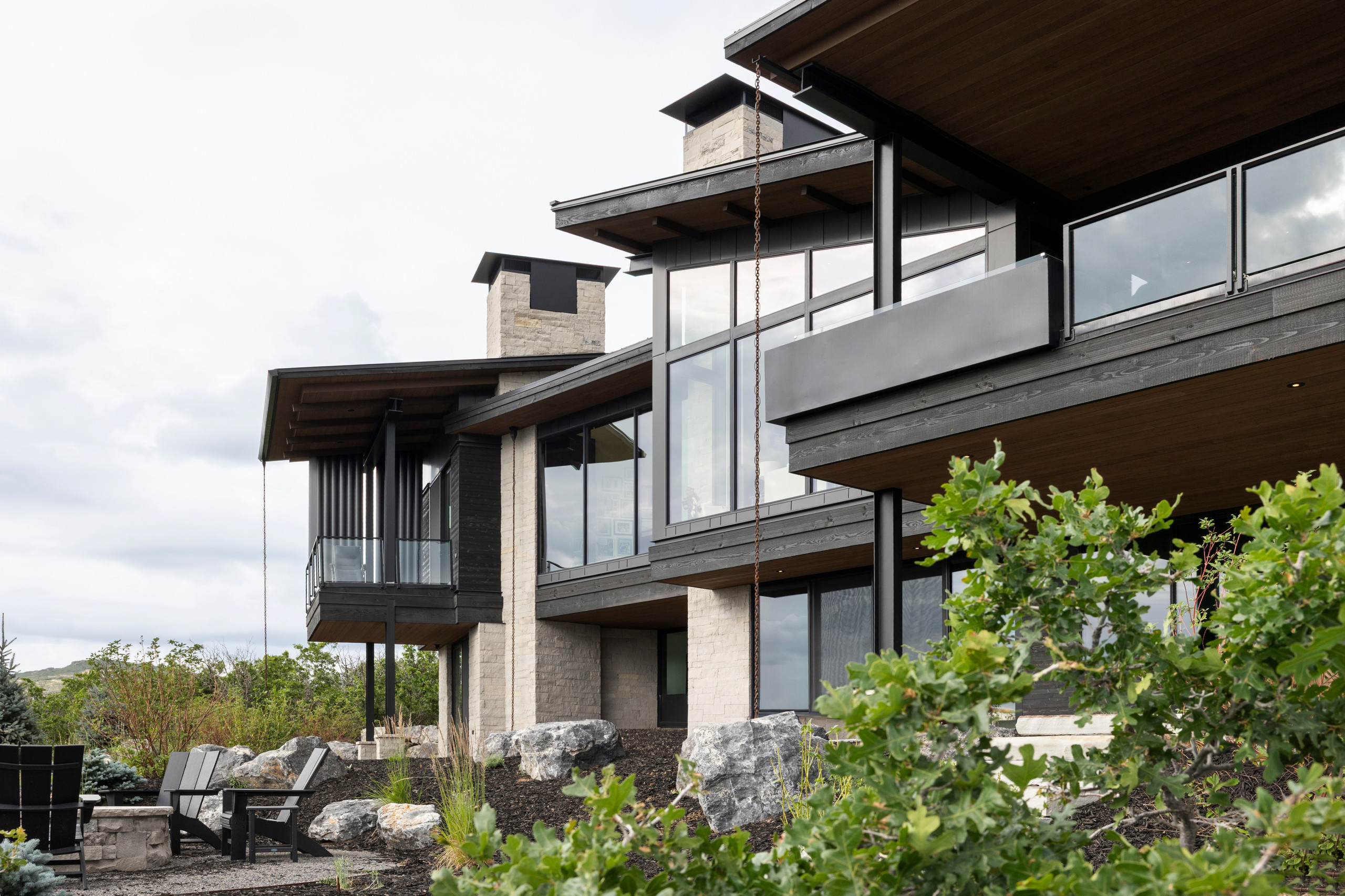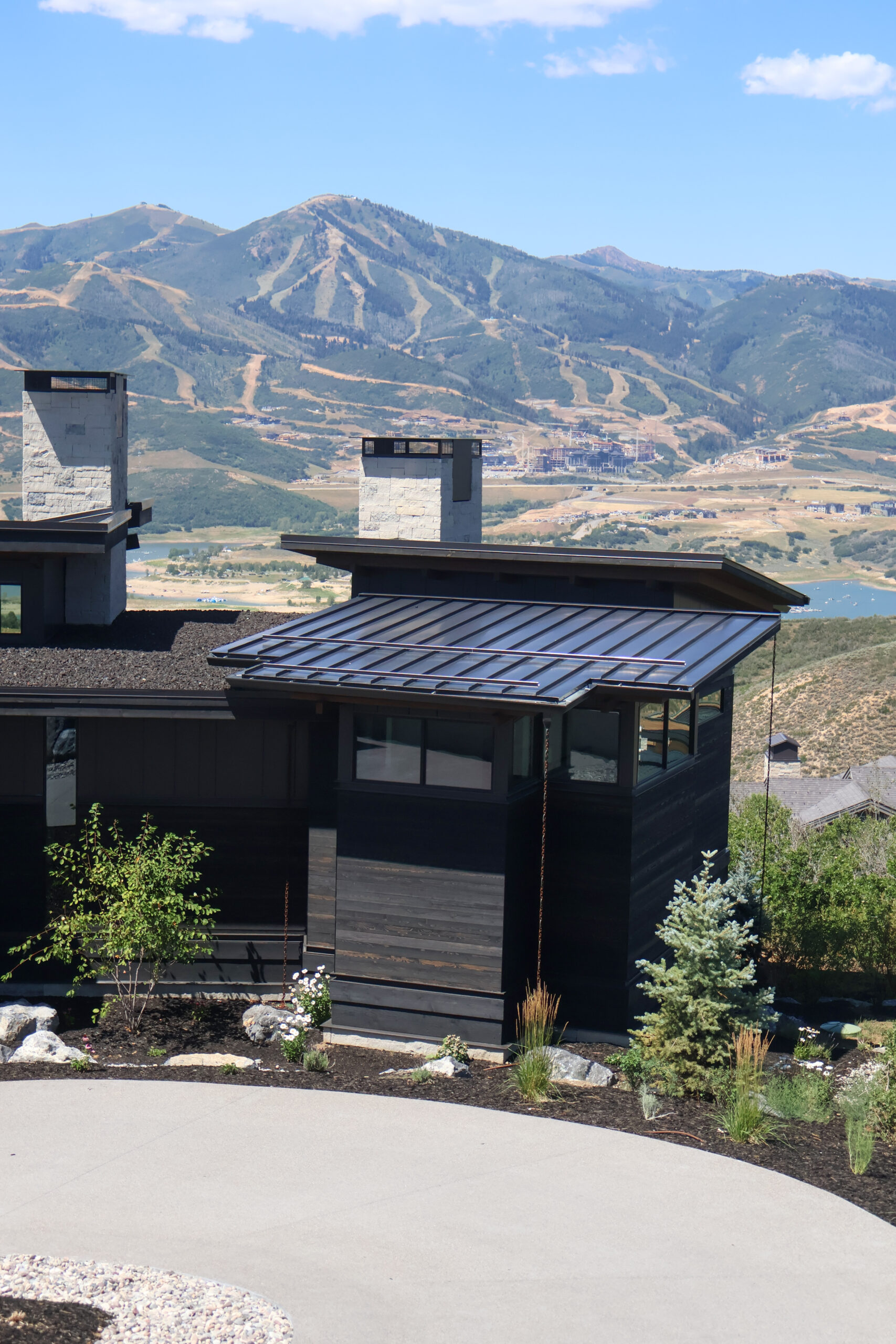

As wildfire risk continues to influence how homes are designed in areas that fall within the Wildland Urban Interface (WUI), the exterior of your home plays a major role in how it performs during a wildfire. In mountain regions, materials like metal wall panels and ACM cladding are becoming an important part of home hardening strategies.
While roofing is often the first focus, wall systems are just as important. Materials like Metal Wall Panels and ACM (Aluminum Composite Material) cladding are increasingly used in modern construction because of their durability and fire-resistant properties.
What Are Metal Wall Panels and ACM Cladding?
Metal wall panels are exterior cladding systems typically made from steel or aluminum. They are commonly used in both residential and commercial construction for their durability and clean architectural appearance, particularly as Metal Wall Panels.
Additionally, Metal Wall Panels enhance the aesthetic appeal of buildings while providing essential fire resistance.
ACM panels (Aluminum Composite Material) consist of two thin aluminum sheets bonded to a core material. These panels are widely used in modern architecture, especially in high-end mountain homes throughout Utah and other wildfire-prone regions.
Depending on the type of core used, ACM panels can offer varying levels of fire resistance, making proper material selection an important part of WUI-compliant construction.
Fire Performance of Metal Wall Systems
One of the main benefits of metal wall systems is that they are non-combustible on the exterior surface, which helps reduce the risk of ignition from embers.
However, fire performance depends on the entire wall assembly, not just the outer panel.
Key factors include:
- The type of insulation behind the panels
- The core material used in ACM panels
- Installation methods and air gaps
- Overall wall assembly design
Many WUI building requirements are based on fire testing standards developed by organizations like the National Fire Protection Association (NFPA).
ACM Panels and Fire Ratings
Not all ACM panels are the same.
There are generally two types:
Standard Core (PE Core)
- Contains polyethylene
- More combustible
- Typically not recommended for WUI applications
Fire-Retardant Core (FR Core)
- Designed to reduce flame spread
- More suitable for fire-resistant construction
- Often used in WUI-compliant building systems
When selecting ACM panels for a project in a Wildland Urban Interface zone, it’s important to choose products that meet fire-resistance requirements and are approved by local building codes.
Why Metal Wall Panels Are Used in WUI Homes
Metal wall systems are becoming more common in wildfire-prone areas for several reasons.
Non-Combustible Surface
Metal panels do not ignite easily, which helps protect the structure from ember exposure.
Durability in Mountain Environments
In areas like Park City, exterior materials must withstand:
- Snow
- UV exposure
- Freeze-thaw cycles
Metal panels perform well under these conditions.
Architectural Flexibility
Metal and ACM panels are often used in modern mountain homes for their clean lines and ability to integrate with wood, stone, and glass.
Wall Systems as Part of a Home Hardening Strategy
While roofing plays a major role in wildfire protection, wall systems are another key component of home hardening.
Embers can collect against exterior walls, especially in corners, decks, and transitions between materials.
Using fire-resistant wall panels, along with proper installation and detailing, helps reduce the likelihood of ignition.
When combined with metal roofing, ember-resistant soffits, and fire-resistant fascia, these systems create a more resilient exterior envelope.
Where Wall Panels Fit Into WUI Construction
For homes located in WUI zones, material selection is becoming more important as building codes evolve.
Exterior wall systems must work together with:
- Roofing materials
- Ventilation systems
- Structural components
to create a home that is better prepared for wildfire exposure.
Many of these requirements are part of broader WUI building standards in Utah, which continue to expand as wildfire risk increases.
Home Hardening Checklist for WUI Homes
When evaluating exterior materials for wildfire resistance, consider:
✔ Class A fire-rated roofing
✔ Non-combustible wall systems
✔ Fire-rated or approved ACM panels
✔ Ember-resistant vents and soffits
✔ Fire-resistant fascia and roof edges
Together, these elements help create homes that are better prepared for wildfire risk in mountain communities across Utah and the broader Wildland Urban Interface.