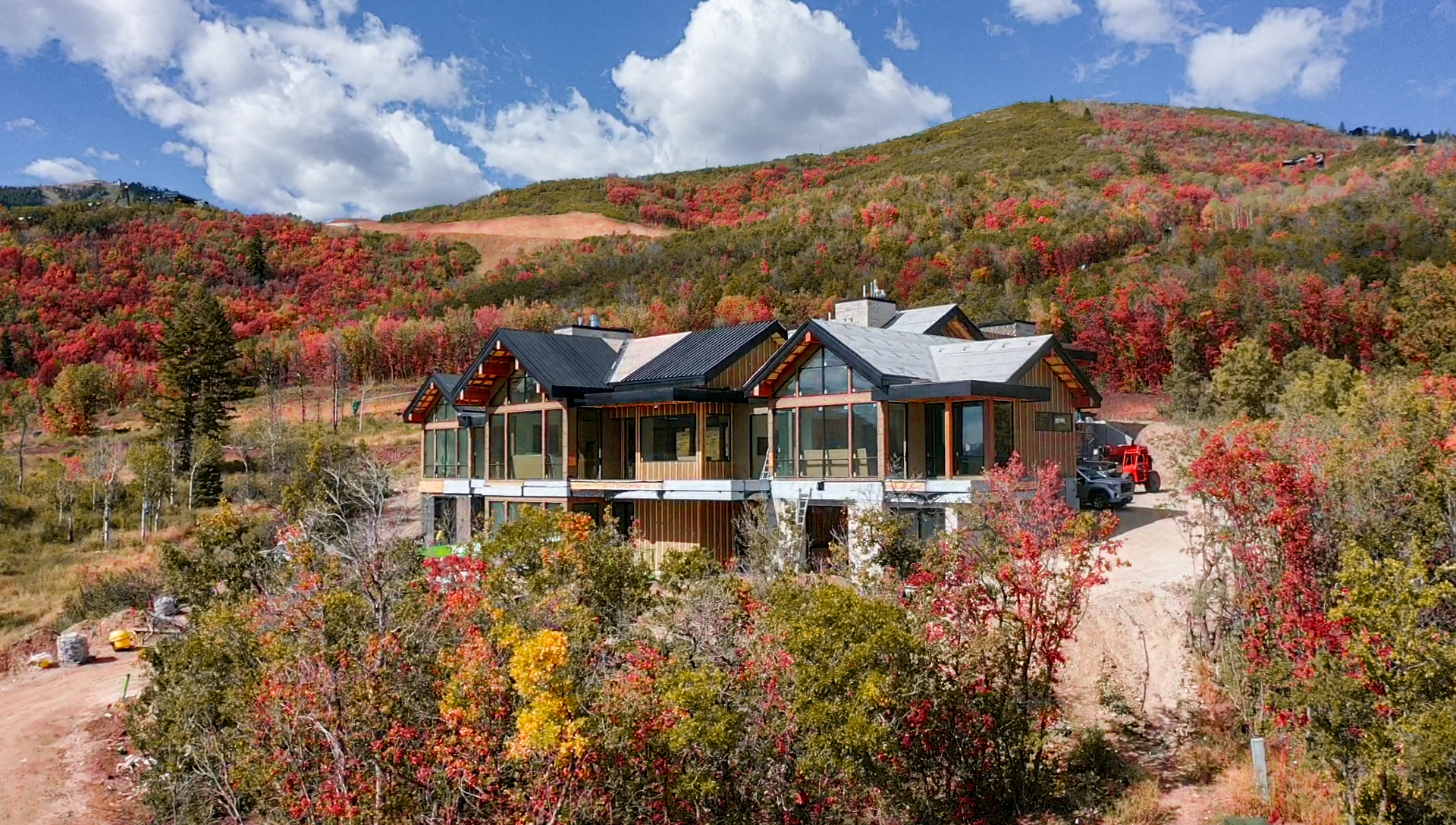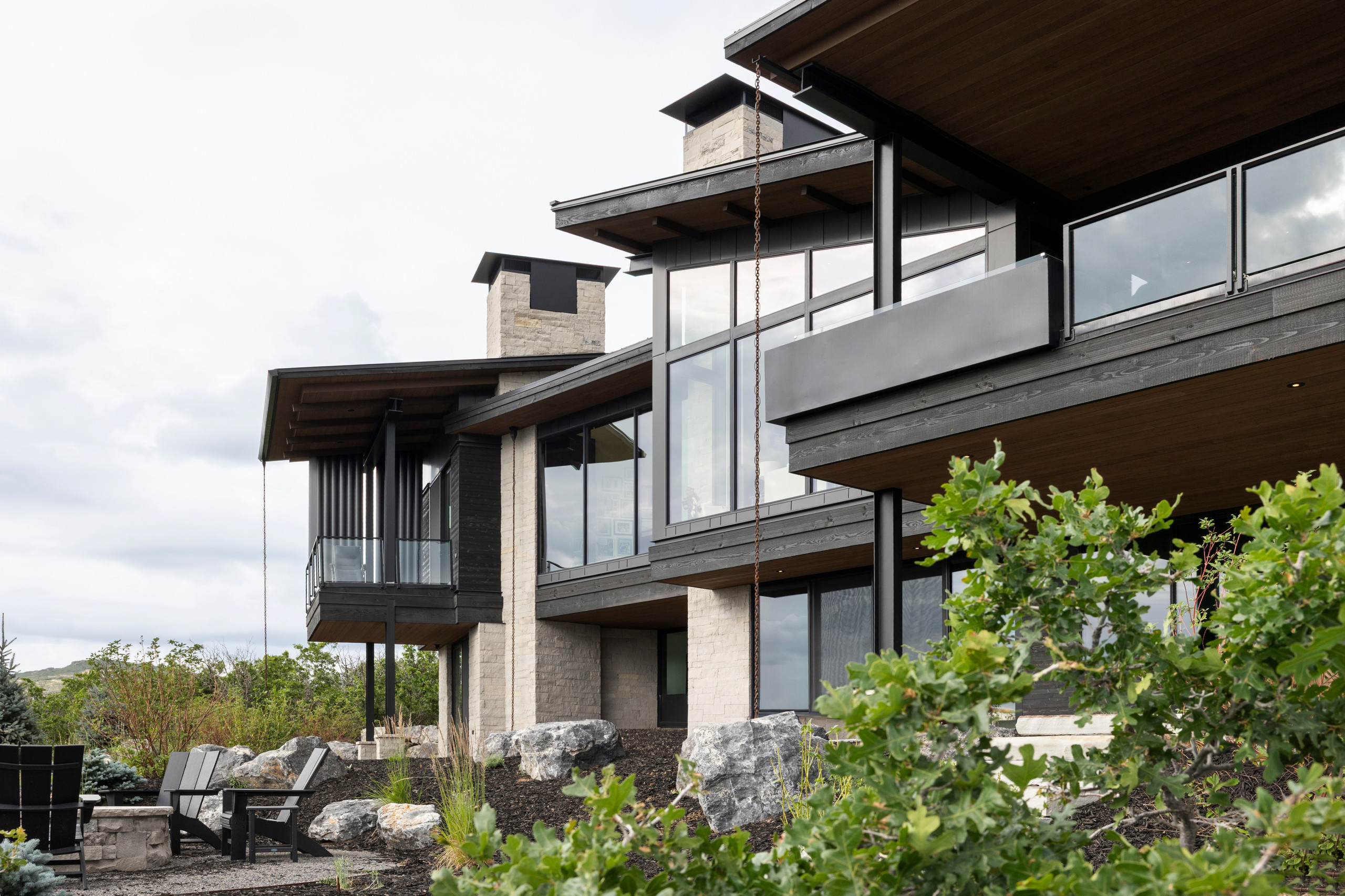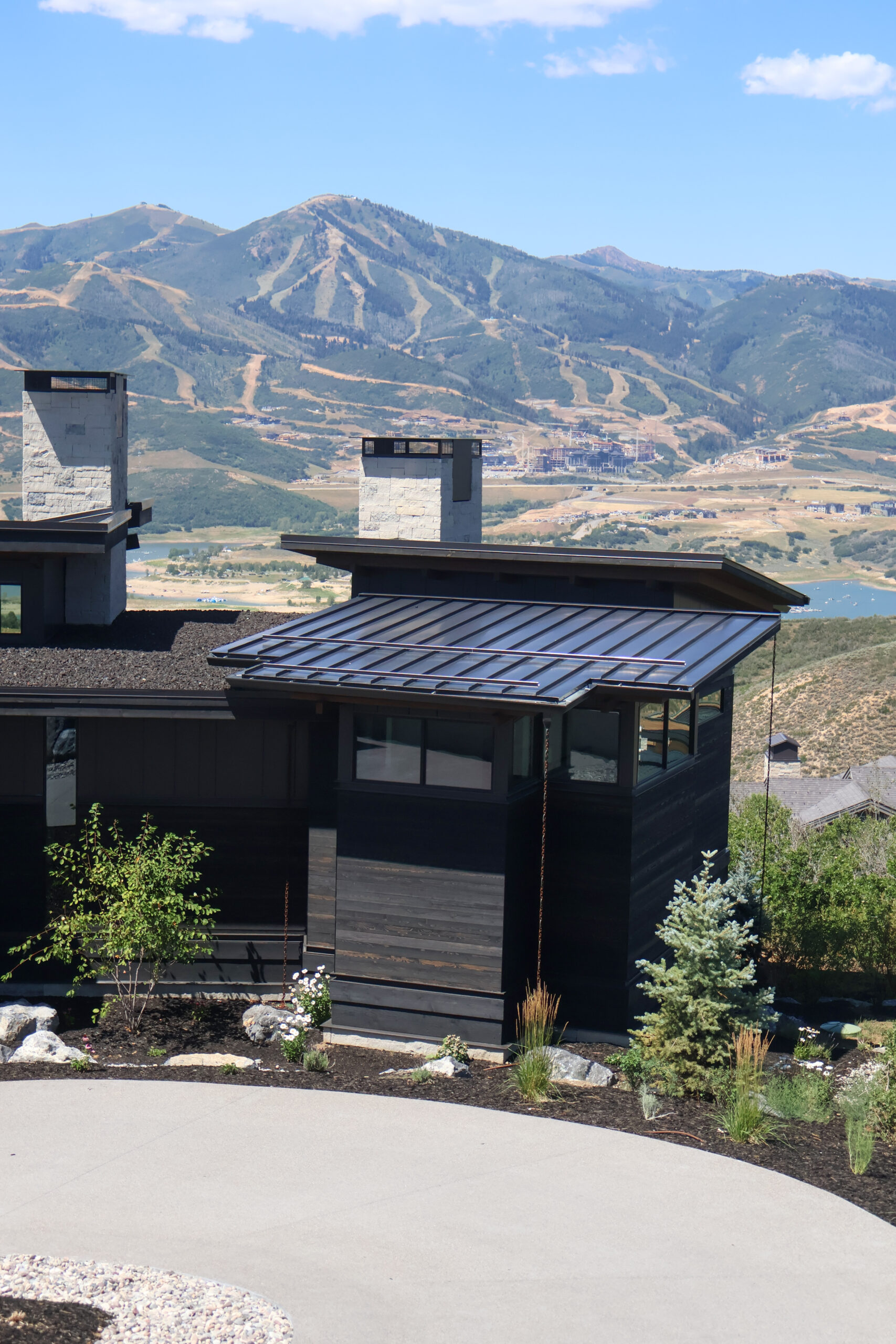

If you’ve spent any time around Park City buildings lately, you’ve probably noticed something:
A lot of new construction homes are going metal, and a lot of older homes are upgrading.
Not because it’s trendy, but because it actually performs up here.
Between snow loads, ice, wildfire exposure, and long-term durability, metal roofing park city isn’t just an upgrade… It’s becoming the standard for homes that are built to last.
But the real question we get all the time is:
What does it actually cost, and is it worth it?
Let’s break down what to expect from metal roofing park city, real costs, long-term performance, and the details that make or break a roof in this environment.
What Does Metal Roofing Park City Cost?
There’s no one set number for metal roofing Park City, but there are real ranges based on system type, complexity, and how the roof is built. Here’s what homeowners can realistically expect when budgeting for a metal roof in this area:
- Standard metal roofing: $5-16 per sq ft (pulled from google)
- High-end standing seam systems: $16-22+ per sq ft (pulled from google)
And yes, that’s more than the price of shingles, but most people are comparing the wrong thing; they’re looking at the upfront price instead of the lifecycle cost.
A shingle roof might look cheaper upfront… but in a place like Park City, you’ve got spring runoff, moisture cycling, high UV exposure, and big temperature swings. Shingles are often replaced two or even three times before a properly installed metal roof ever needs to be touched. So, the better question is: What are you paying for over 30–50 years?
Why Metal Roofing Performs Better in Park City
This isn’t about preference, it’s about environment.
1. Snow, Moisture, and Temperature Management
Heavy snow loads are part of life in Park City, but that’s only part of the equation.
Your roof is also dealing with:
- Spring runoff and moisture cycling
- Rapid freeze/thaw swings
- High UV exposure at elevation
All that puts constant stress on the system.
Metal roofing systems perform better in these conditions because they:
- Shed snow more efficiently
- Reduce ice damming (when detailed correctly)
- Allow for better water movement during spring melt
- Hold up under repeated temperature swings without breaking down
And this is where most roofs fail, none of that matters if the system isn’t installed correctly.
Without proper:
- Edge detailing
- Transition flashing
You’re still vulnerable to water intrusion and long-term damage.
2. Fire Resistance (WUI Matters)
A large portion of Park City sits in or near wildfire-prone areas, which means your roof isn’t just about weather; it’s part of your home’s first line of defense.
Most metal roofing systems in Park City are:
- Non-combustible
- Class A fire-rated
And that’s a big advantage.
But here’s the part most people miss: fire resistance doesn’t come from the panel alone.
It comes from how the entire system is built.
Real performance depends on:
- Soffit detailing and ember resistance
- Properly protected and screened vents
- Tight, sealed roof-to-wall and roof-to-deck transitions
Because in a wildfire, it’s not usually flames that cause the damage—it’s embers.
And those embers find their way in through:
- Gaps
- Vents
- Poorly detailed edges
That’s where most roofing systems fail, regardless of material.
3. Longevity
A properly installed metal roof can last:
- 40–70+ years
Compare that to:
- asphalt shingles → 15–25 years (and that’s being generous up here)
With the amount of UV, weather exposure, and temperature movement in Park City, shingles just don’t hold up the same long-term.
Metal does.
So instead of replacing your roof every couple of decades, you’re installing a system that’s built to last the life of the home.
4. Clean, Modern Aesthetic
Aesthetic performance is also a factor, especially in high-end construction.
Metal roofing delivers a level of precision that other materials just can’t match.
- Holds clean, consistent lines
- Integrates seamlessly with modern architecture
- Maintains its appearance without warping, curling, or breaking down over time
In a place like Park City, where design and detail matter, those differences stand out.
On high-end homes, it’s not just a roofing choice; it’s part of the overall design language.
Where Most Metal Roofs Go Wrong
This is the part that doesn’t get talked about, and it’s the reason some metal roofs fail early. It’s not the panel. It’s everything around it.
We consistently see issues with:
- Poorly detailed roof edges
- Incorrect or incomplete flashing at transitions
- Exposed fastener systems used in the wrong applications
- Ventilation and soffit gaps that aren’t properly sealed
That’s where water gets in.
That’s where embers get in.
That’s where systems start to break down.
Metal roofing performs at a high level but only when the entire system is built correctly.
So, when people ask whether metal roofing is “worth it,” the real answer is:
It depends on how it’s installed and who’s responsible for the details, because at the end of the day, the difference between a roof that lasts decades and one that fails early usually comes down to the contractor. If you’re evaluating options, here’s what to look for when choosing a roofing company in Park City.
Is Metal Roofing Worth It in Park City?
If you’re building or renovating in this area and planning to stay long term.
Yes. Without question, but only if:
- It’s the right system for the home
- It’s detailed correctly at every transition
- It’s installed by a team that understands mountain conditions
Otherwise, you’re just paying more for the same problems, just in a different material.
There’s a reason you see more metal roofing in Park City every year.
It’s not a trend. It’s a shift toward systems that are built to perform in this environment.
If you’re comparing options, don’t just look at the material.
Look at:
- How the system is built
- How it performs through snow, moisture, and fire exposure
- And who is responsible for executing the details
Because at the end of the day, the difference between a roof that lasts 50 years and one that fails early comes down to execution, and in roofing, execution is everything.
If you’re evaluating options, it’s worth understanding how different systems are built and detailed in this environment.
A clear scope and the right approach upfront tend to make the biggest difference long term.