
Metal has become one of the most versatile materials in modern architecture. It’s used to create clean lines, dramatic angles, and exteriors that hold up against harsh climates while delivering the visual impact a design calls for. For architects working on residential, commercial, or resort projects in Utah, metal roofing and metal wall panels offer a level of design flexibility that few other materials can match.
At Viotell Metal Concepts, we collaborate with architects throughout the design and build process, translating architectural vision into metal systems that perform and look the way they were intended.
Why Architects Are Choosing Metal for Exterior Design
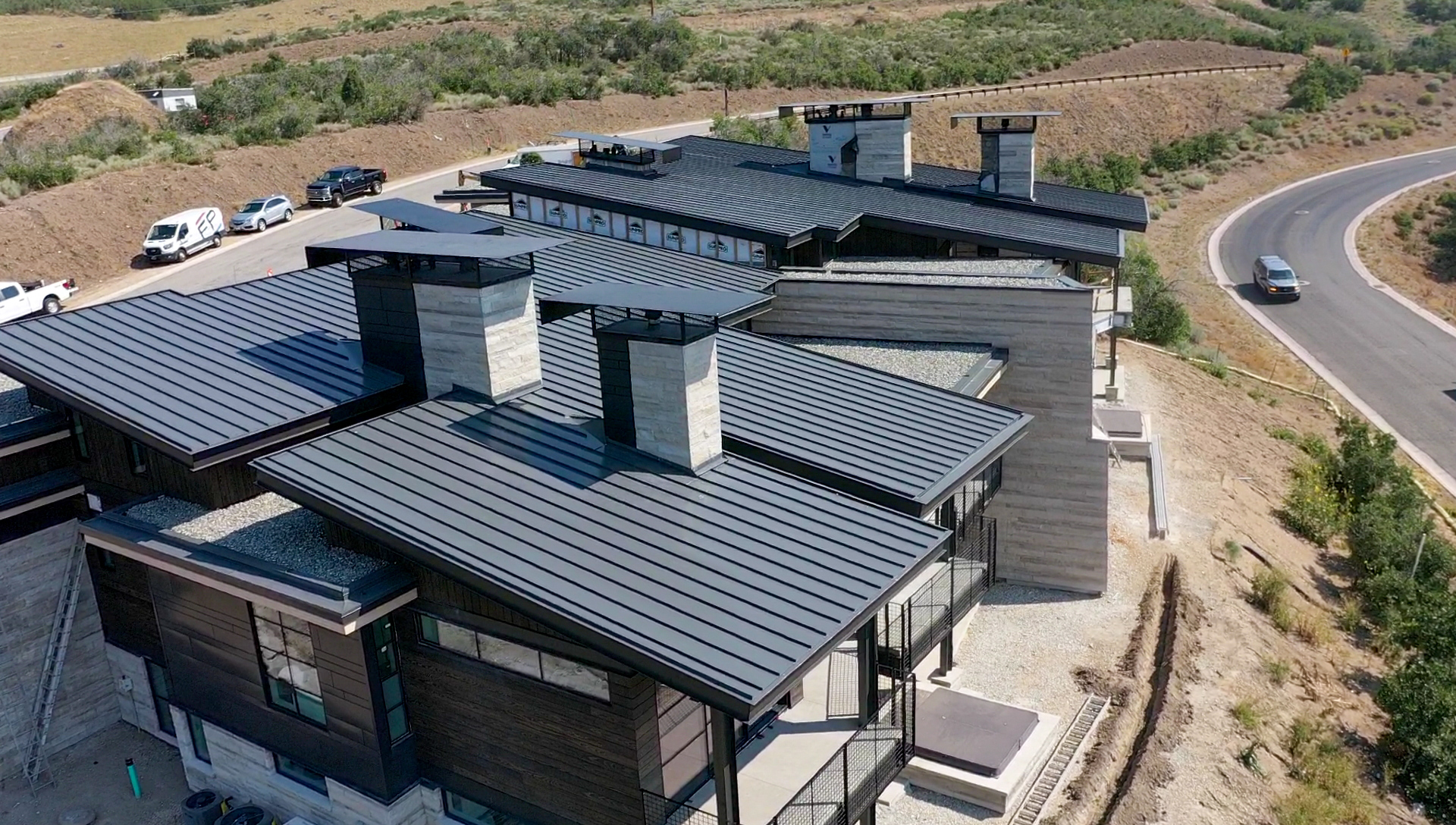
Metal roofing and wall cladding have moved well beyond the utilitarian look of corrugated steel. Today’s profiles, finishes, and fabrication methods give architects a wide design palette. Standing seam, flat-lock, corrugated, and custom profiles can all be combined to create contrast, rhythm, and depth across a building’s exterior.
What makes metal especially appealing for mountain and high-elevation projects is its ability to handle extreme weather while maintaining clean aesthetics over time. Unlike many cladding materials, metal resists warping, cracking, and color degradation at altitude.
Designing With Metal Roofing: Beyond the Roof Plane
Roof-to-wall continuity
One of the strongest design moves architects make with metal is extending it from the roof plane down into the wall. This creates a visual continuity that makes the building envelope feel like a single cohesive surface rather than a roof sitting on top of a box. It requires close coordination between roofing and wall panel installation, but the result is striking.
Mixed material compositions
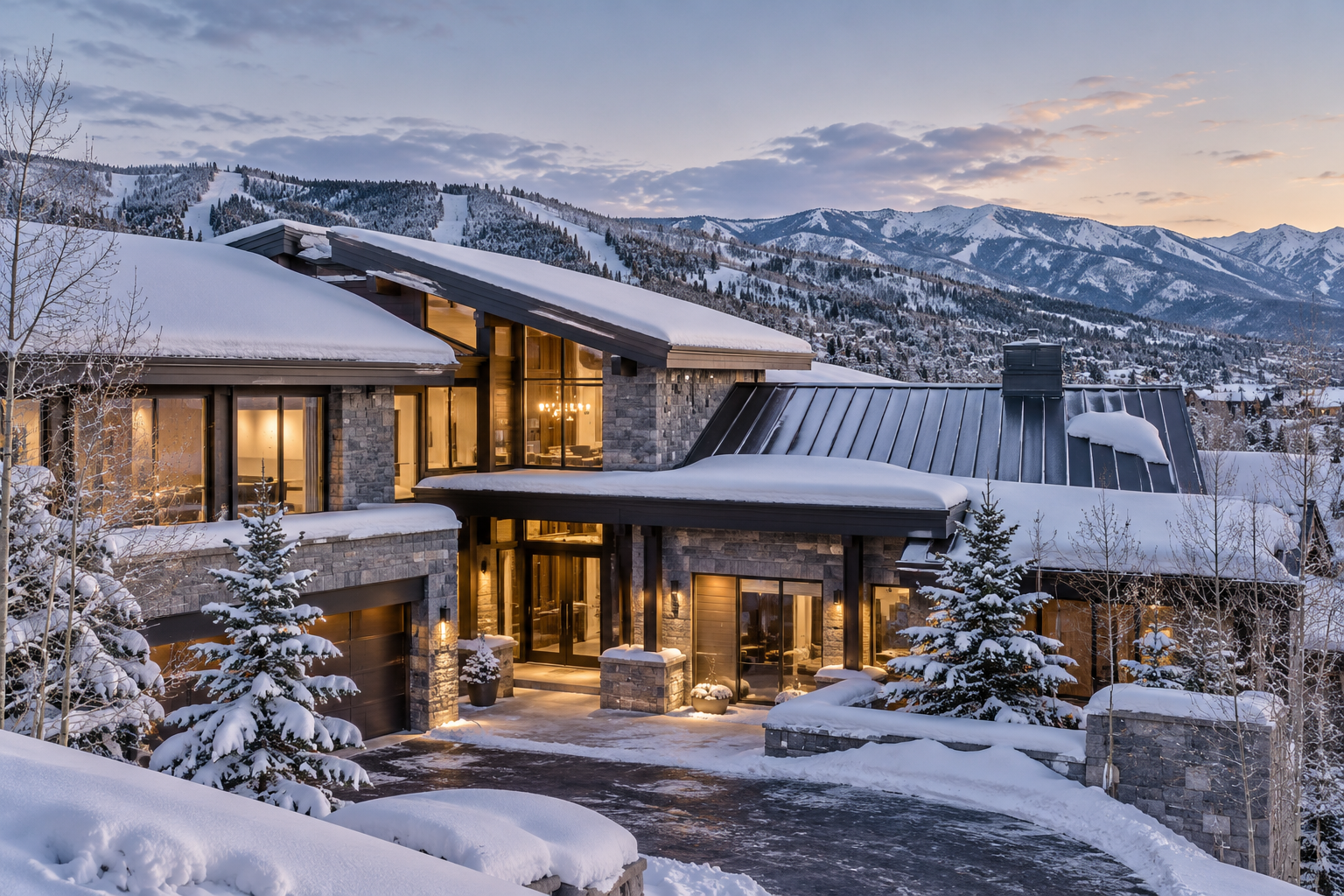
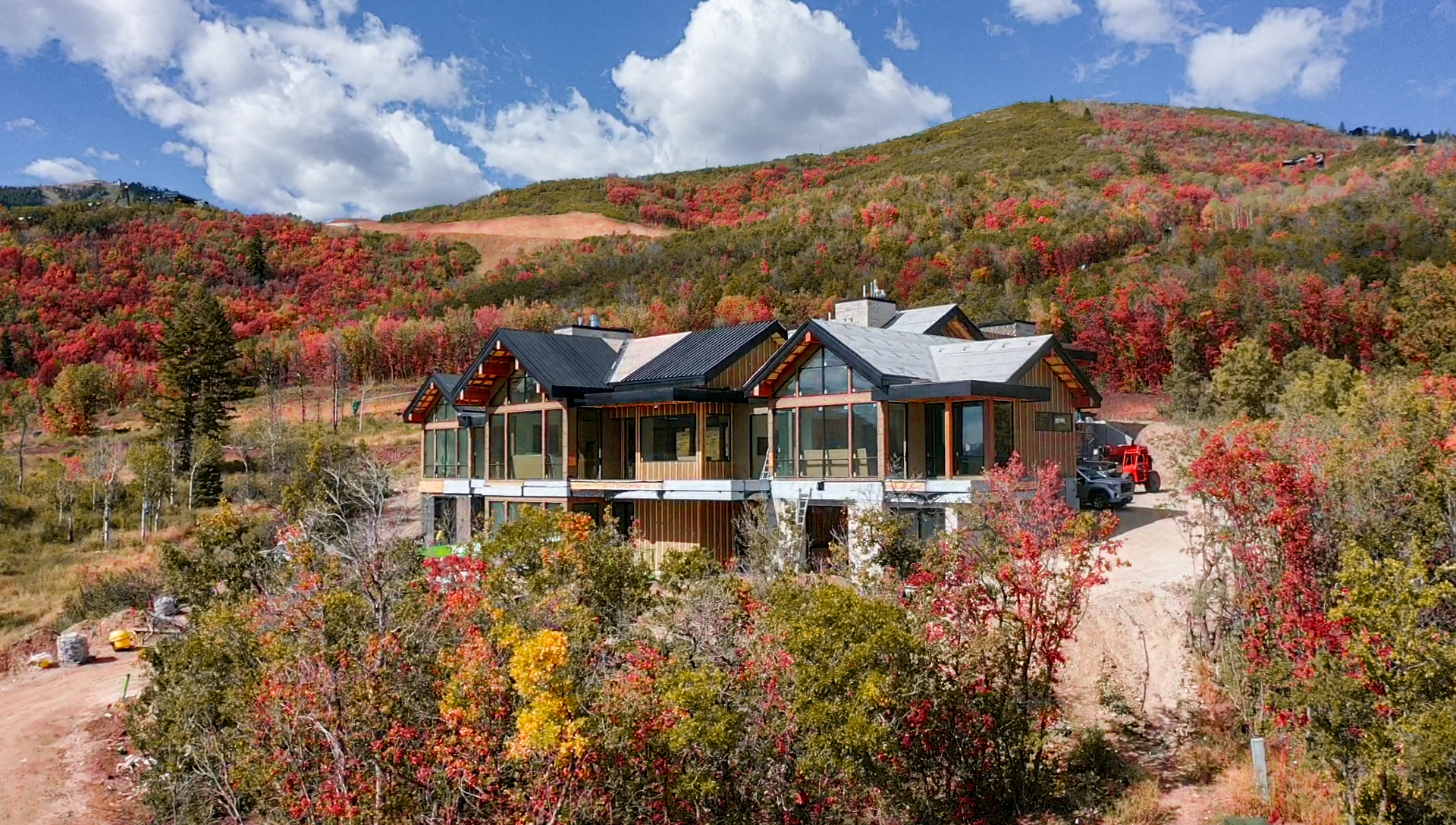
Metal pairs well with wood, stone, glass, and concrete. Architects often use standing seam roofing alongside timber framing or stone cladding to create contrast between warm, organic textures and sharp metallic lines. Wall panels can be used as accent bands, rain screens, or full facades depending on the design intent.
Form and slope as design elements
With custom fabrication, metal can follow steep slopes, compound curves, and unconventional roof forms that other materials can’t. This allows architects to treat the roof as an active design element, not just a functional cap on the building.
Metal Wall Panels as an Architectural Tool
Cladding for visual impact and performance
Architectural metal wall panels serve a dual purpose. They protect the building from moisture, wind, and UV exposure while contributing to the overall design language. Panel orientation, joint spacing, and finish all become design decisions that influence how the building reads from the street.
Color, texture, and finish options
Modern metal finishes go far beyond bare steel. Kynar and PVDF coatings offer long-term color stability. Zinc, copper, and weathering steel develop natural patinas over time. Textured and perforated panels add depth and shadow. Each option changes the character of the facade, giving architects precise control over how the building ages and feels.
Integration with the roof system
When wall panels and roofing are planned together, the result is a tighter, more intentional exterior. Sheet metal fabrication makes it possible to produce matching or complementary components across both systems, so transitions between roof and wall feel designed, not improvised.
The Role of Fabrication in Architectural Metal
Design intent is only as good as the fabrication behind it. Architects draw the vision, but fabrication determines whether that vision actually gets built the way it was intended.
Custom fabrication allows for panels, trim, and flashings that match the exact dimensions and profiles specified in the drawings. At Viotell, we work from architectural details to produce components at our Salt Lake Valley facility, eliminating the compromises that come with off-the-shelf parts. When designs include ornamental metal work, that fabrication precision becomes even more critical.
How Architects and Metal Contractors Collaborate
The best outcomes happen when the architect and the metal contractor are talking early. During design development, a fabricator can flag constructability issues, suggest detailing solutions, and help refine transitions before they become field problems.
This kind of collaboration also helps with material selection. What looks great in a rendering doesn’t always perform well in a freeze-thaw environment at 7,000 feet. A contractor with deep experience in mountain construction can help architects make material choices that serve both the design and the climate.
Viotell regularly partners with architects on projects across Utah, from custom mountain homes to commercial and resort properties. To learn more about how we support design teams, visit our partners page or contact us to discuss an upcoming project.
FAQ
What types of metal profiles work best for modern residential architecture?
Standing seam is the most common for its clean lines and weather performance. Flat-lock and custom profiles are also used when the design calls for a different scale or texture. The right choice depends on the project’s geometry, climate, and aesthetic goals.
Can metal wall panels be used on the entire exterior of a building?
Yes. Full metal facades are common in commercial and contemporary residential architecture. They can also be combined with other cladding materials for mixed-material designs.
How do metal roofing and wall panels handle Utah’s mountain weather?
Metal resists UV degradation, freeze-thaw cycling, and heavy snow loads better than many alternatives. When installed with proper detailing and moisture management, metal systems perform well at high elevations for decades.
Does Viotell work with architects during the design phase?
Yes. We collaborate with architects during design development to review detailing, confirm constructability, and align fabrication with design intent. Early involvement helps avoid costly changes during construction.
How are transitions between metal roofing and wall panels handled?
These transitions are planned during design and fabricated to spec. Custom flashings, drip edges, and trim pieces are built to create clean, weathertight connections between the two systems.