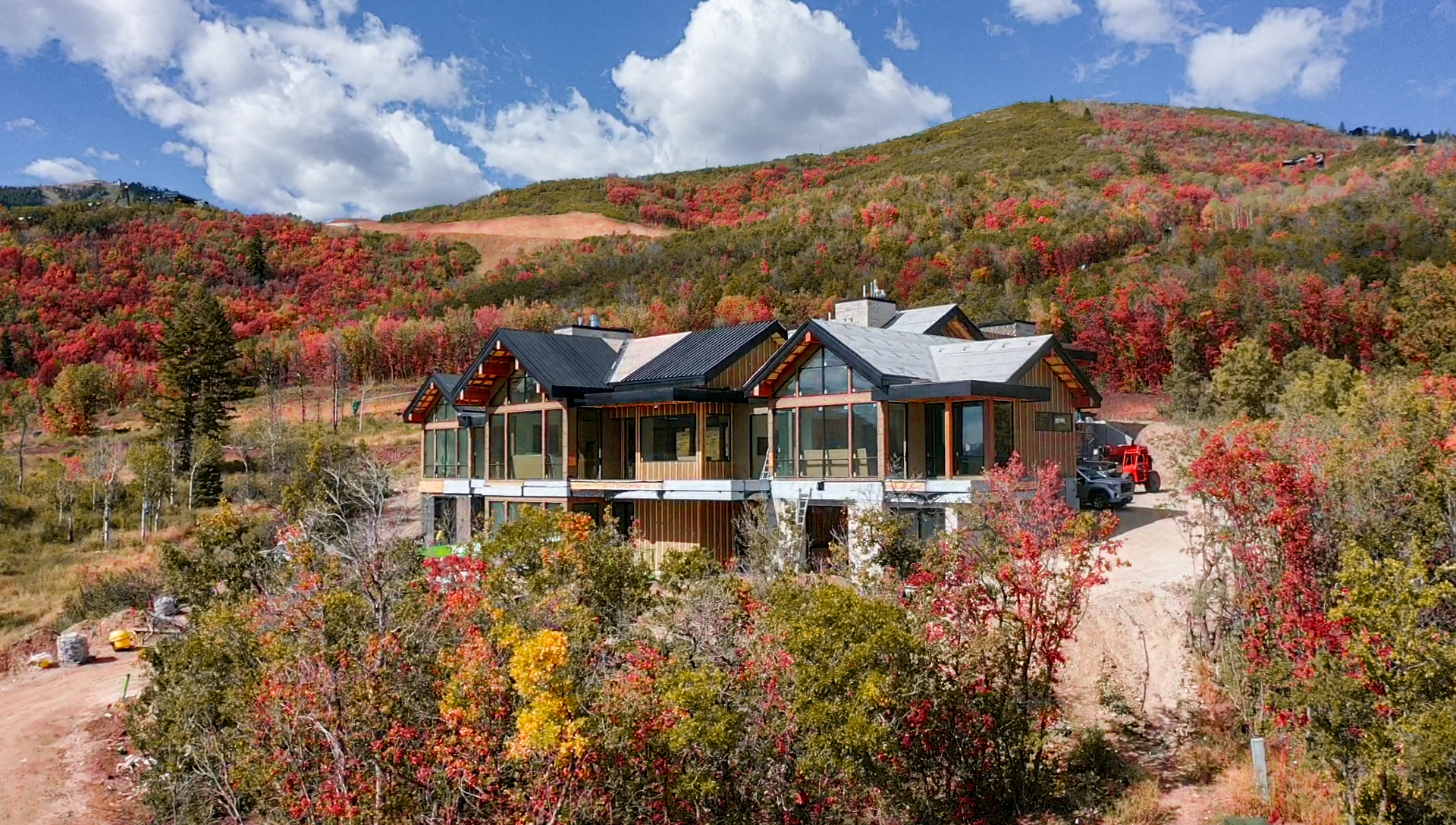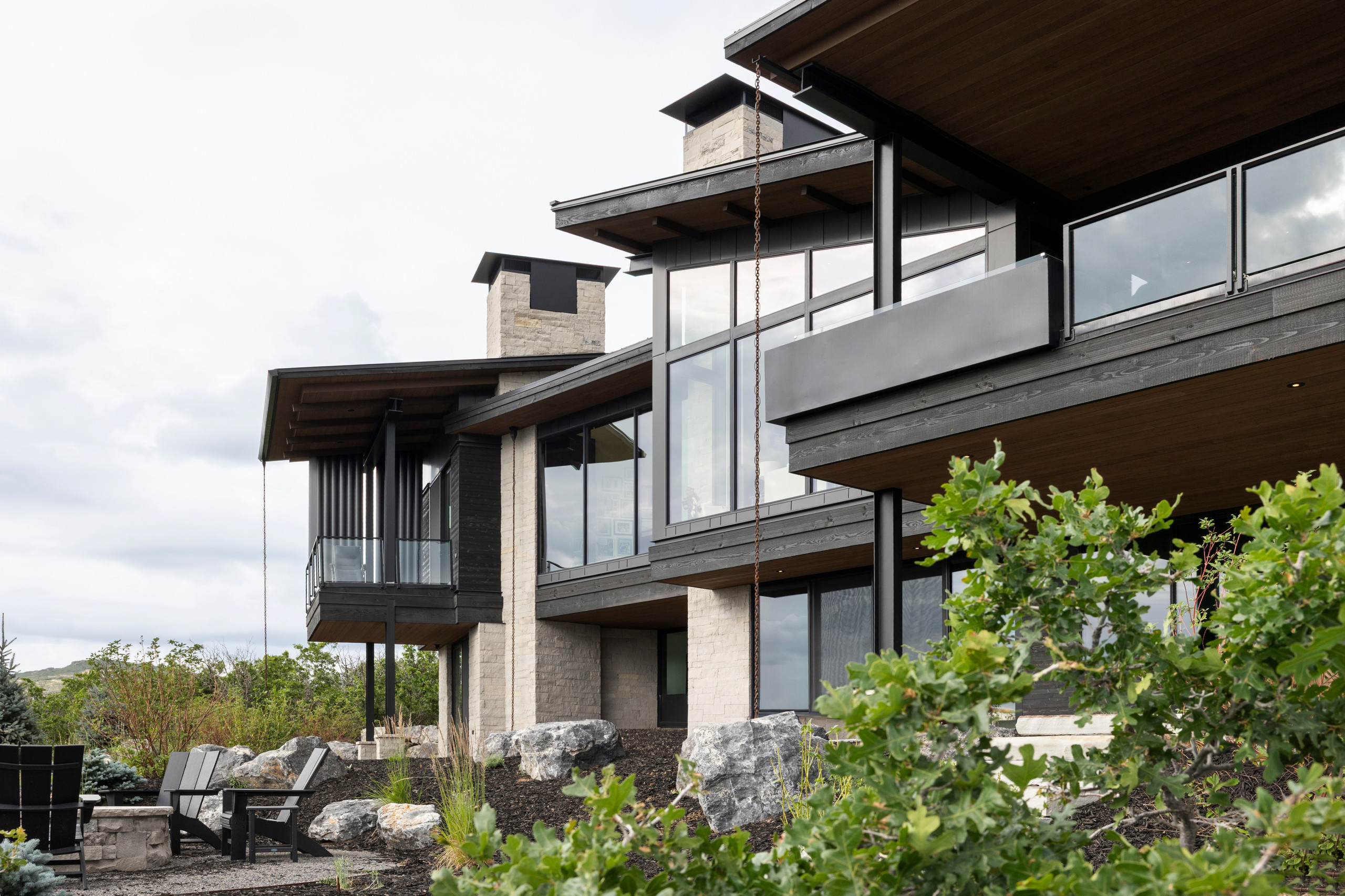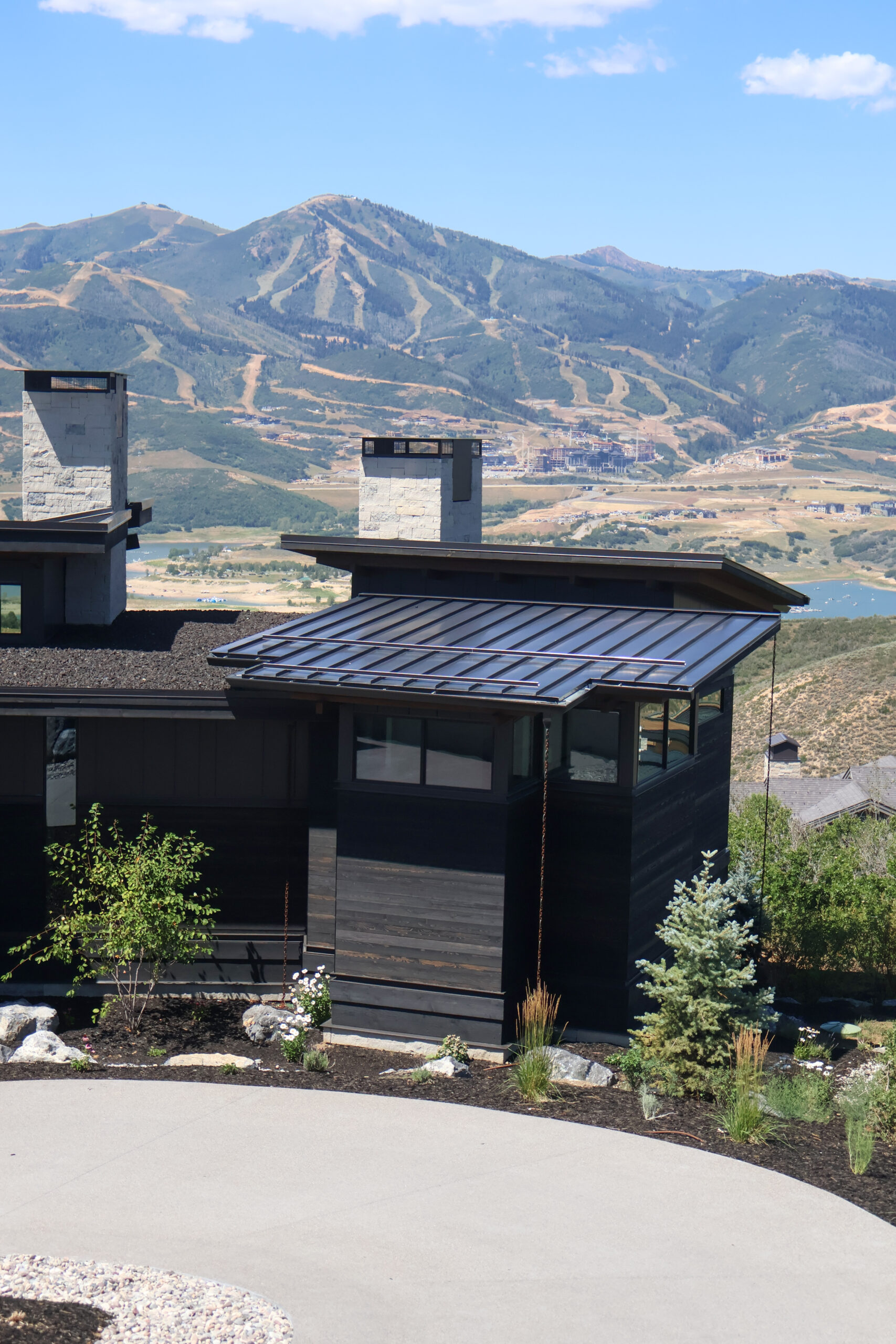

Utah’s elevation is one of the biggest factors that separates roofing here from roofing almost anywhere else. Most of the state sits above 4,000 feet, and communities like Park City, Heber, and Midway push well above 6,000. At those heights, metal roofing doesn’t just need to look good. It needs to hold up against conditions that many standard roofing materials struggle with over time.
At Viotell Metal Concepts, we design and install metal roofing systems specifically for Utah’s mountain environment. Elevation plays a role in almost every decision we make, from material selection to fastener choice to how we plan for snow and ice.
More UV Exposure at Higher Elevations
For every 1,000 feet of elevation gain, UV radiation increases by roughly 4 to 5 percent. In Park City, that means roofing materials absorb significantly more solar energy than the same materials would in Salt Lake City or along the Wasatch Front.
Over time, UV exposure breaks down organic roofing materials. Asphalt shingles lose granules faster. Wood shakes dry out and crack. Metal, on the other hand, is non-organic. It doesn’t degrade the same way under UV stress. When paired with a quality coating system like Kynar or PVDF, a metal roof can maintain its color and performance for decades at altitude.
Thermal Cycling and Expansion
High-elevation areas experience wider temperature swings than lower valleys. A roof at 7,000 feet can go from below freezing overnight to 60 degrees by midday in spring. That constant expansion and contraction stresses fasteners, seams, and flashing details.
Standing seam metal roofing handles thermal cycling better than most alternatives because the panels are designed to move. Concealed clip systems allow panels to expand and contract without pulling on fasteners or opening seams. This is one of the reasons standing seam is so common on Park City metal roofing projects.
Snow Loads at Elevation
Elevation and snowfall go hand in hand in Utah. Higher communities see more snow, longer winters, and slower melt cycles. That means roofs carry heavy loads for extended periods, and the drainage systems need to keep up when spring finally arrives.
Metal roofing’s strength-to-weight ratio is a real advantage here. The roof itself adds minimal weight to the structure while handling substantial snow loads. Paired with a planned snow management strategy, including snow guards and retention bars placed by roof geometry, a metal roof can manage heavy accumulation without the safety risks of uncontrolled snow release.
Ice damming at eave lines
Freeze-thaw cycles at elevation make ice dams a persistent concern, especially along eave lines and in valleys. Properly planned heat cable systems can keep drainage paths open through winter, preventing meltwater from backing up under the roofing membrane.
Wind Exposure Increases With Elevation
Wind speeds generally increase with elevation, and mountain terrain creates unique wind patterns. Ridgelines, exposed hillsides, and open valleys all funnel wind differently. A roof installed at the base of a slope faces different wind conditions than one on a ridgetop just a few hundred feet higher.
Metal roofing panels with concealed fasteners and mechanically seamed profiles resist wind uplift better than exposed-fastener systems. Combined with proper flashing and edge detailing, a well-installed metal roof can handle the sustained gusts and pressure differentials that come with elevation. Precision matters here, which is why in-house sheet metal fabrication is so valuable for mountain projects.
Moisture Behavior at Altitude
High-elevation air is drier, but moisture management still matters. Condensation can form on the underside of roofing when interior warmth meets cold exterior surfaces. This is more pronounced at elevation because nighttime temperatures drop faster and farther.
Proper ventilation and underlayment selection are critical. A well-designed building envelope system accounts for how moisture moves through the roof assembly at altitude, keeping the structure dry and the insulation effective.
Material Selection for High-Elevation Projects
Not all metals perform equally at elevation. Aluminum is lightweight and corrosion-resistant, making it a strong choice for high-moisture environments. Steel with Galvalume coating offers strength and longevity. Zinc and copper develop natural patinas that protect against UV and oxidation.
The right choice depends on the project’s exposure, geometry, and aesthetic goals. A contractor with deep experience in Utah’s mountain conditions can help match the material to the environment, which is a conversation worth having early in the design phase.
Working With a Contractor Who Understands Elevation
Elevation changes the rules for roofing. A system that works fine at 4,500 feet may underperform at 7,500 feet. Choosing a contractor who understands how altitude affects material behavior, installation methods, and long-term maintenance makes a real difference. At Viotell, every project starts with a site evaluation that accounts for elevation, exposure, and local conditions. To talk through your project, get in touch with our team.
FAQ
Does elevation affect how long a metal roof lasts?
It can if the system isn’t designed for the conditions. Higher UV, wider thermal swings, and heavier snow all influence long-term performance. A metal roof built for altitude, with the right coatings and detailing, performs well for decades.
Is standing seam better than exposed-fastener panels at high elevation?
Standing seam is generally preferred for mountain environments because concealed clips allow for thermal movement and resist wind uplift more effectively. Exposed-fastener systems can work on simpler structures, but they’re more susceptible to issues from thermal cycling.
How does Viotell account for elevation on roofing projects?
Every project starts with an evaluation of the site’s elevation, exposure, snow history, and wind patterns. These factors guide material selection, panel profile, fastener choice, and snow management planning.
What coating is best for metal roofs at high elevation in Utah?
Kynar and PVDF coatings are the most common for high-elevation projects because they resist UV degradation and color fading over time. The specific recommendation depends on the metal type and the building’s orientation.
Does Viotell install roofs at all elevations across the Wasatch Front?
Yes. Viotell installs metal roofing across the Wasatch Front, from Salt Lake City up through Park City, Heber, and Midway. We adjust our approach based on each site’s specific elevation and conditions.
References
National Weather Service. UV Index and Altitude.
Building America Solution Center. Managing Snow Loads on Roofs and Decks.