
Luxury homes have always reflected the architectural styles of their time, and today’s roof designs are no exception. While roofing has traditionally been viewed as a functional necessity, it has become one of the defining features of modern home design.
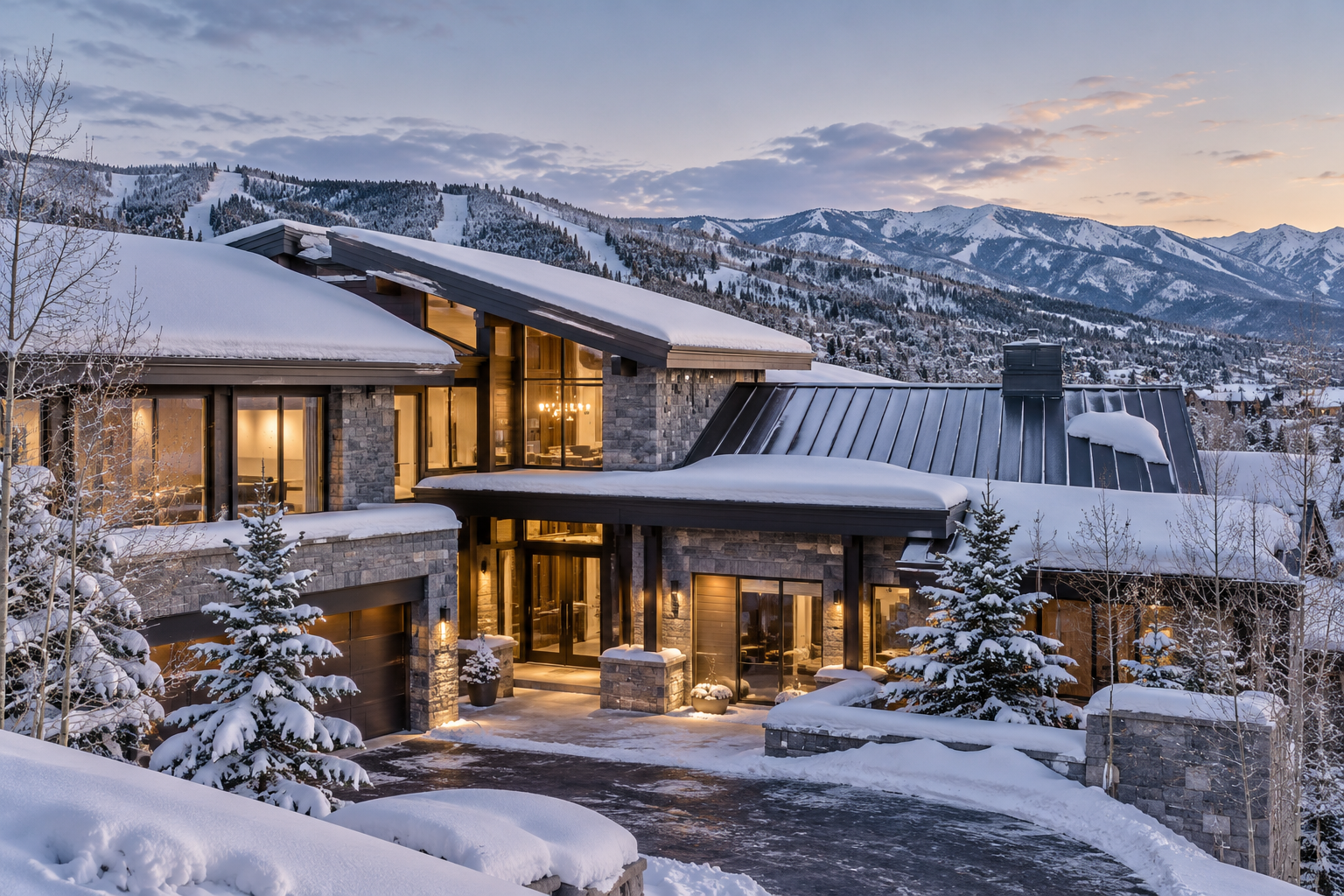
In places like Park City and throughout the Wasatch Back, roof design does more than shape a home’s appearance. It influences how the home performs through heavy snow, intense sun exposure, changing seasons, and decades of mountain living.
Today’s homeowners and architects are looking for roof systems that complement the architecture, enhance curb appeal, and perform just as well as they look.
Roof Design Is Becoming More Intentional
One of the biggest trends in luxury home design is intentional roof design.
Rather than following one architectural style, today’s custom homes are designed around the property’s setting, the home’s overall form, and how the roof contributes to both performance and aesthetics. Some homes feature clean, minimalist rooflines, while others incorporate dramatic angles, multiple roof planes, and custom architectural details that become defining elements of the design.
The common thread isn’t simplicity, it’s purpose. Every roofline is designed to complement the architecture while responding to the unique demands of the site and climate.
Low-Slope Roofs Continue to Gain Popularity
Low-slope roof designs have become increasingly common on modern luxury homes.
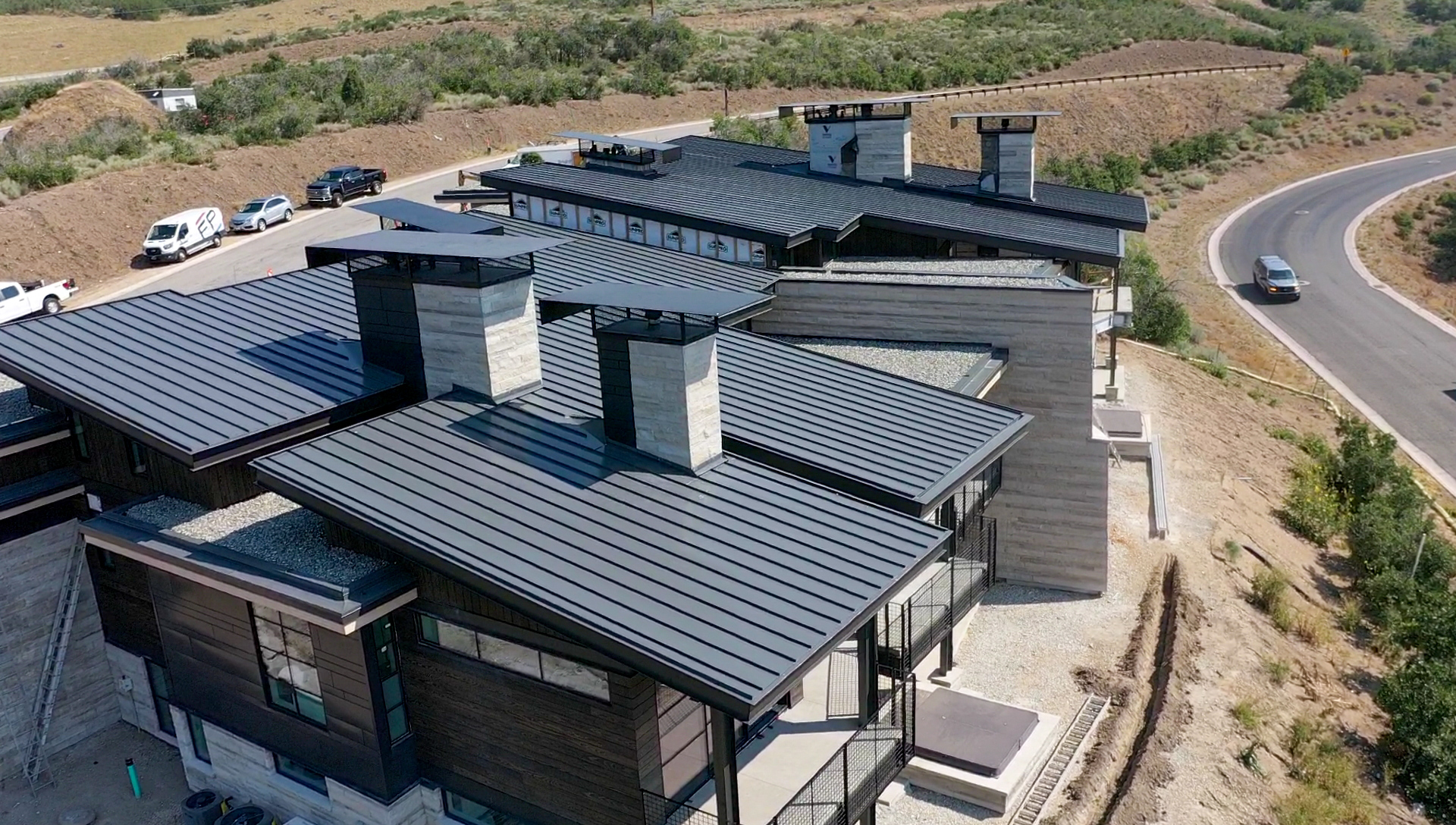
While they may appear flat, these roofs are carefully engineered to manage water while creating the clean horizontal lines that define contemporary architecture. They’re often paired with expansive windows, cantilevered overhangs, and architectural wall panels to create a sleek, understated appearance.
When designed properly, low-slope roofing systems can deliver both modern aesthetics and long-term performance.
Modern Gabled Roofs Are Making a Comeback
The traditional gabled roof isn’t disappearing, it’s evolving.
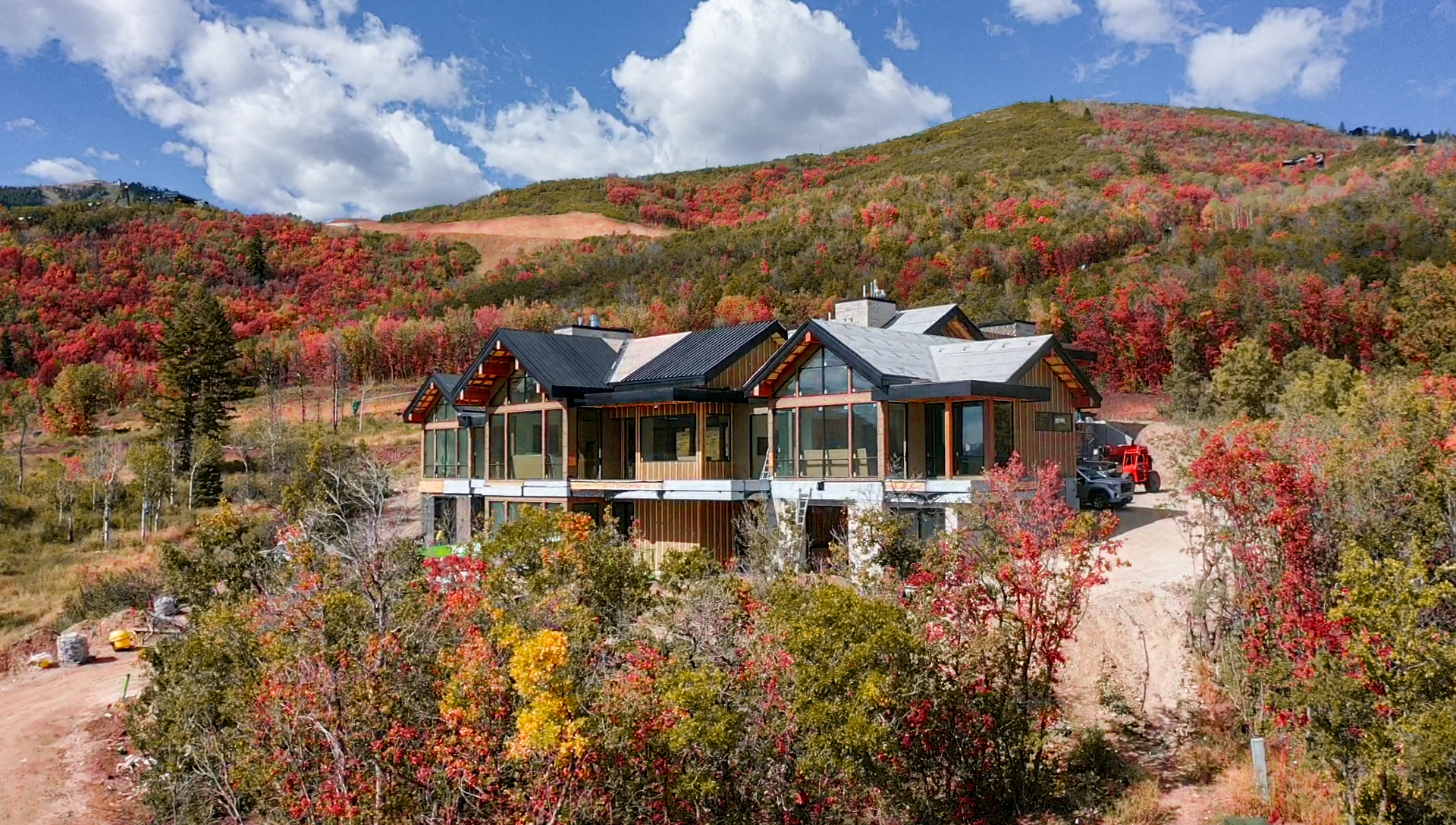
Many architects are taking one of the oldest roof styles and simplifying it. Clean ridgelines, steeper pitches, and fewer decorative elements create a contemporary interpretation that feels timeless while still complementing mountain architecture.
This style works particularly well for homeowners who appreciate classic forms with a modern twist.
A-Frame Inspiration Continues to Influence Mountain Architecture
Not every luxury home is designed as a traditional A-frame, but many draw inspiration from its iconic silhouette.
Steeper roof pitches, vaulted interiors, exposed structural elements, and dramatic rooflines continue to influence custom homes throughout mountain communities.
These designs not only create striking architecture but also perform well in snowy climates by encouraging efficient snow shedding.
Mixing Roof Forms Creates Architectural Interest
Rather than relying on a single roof style, many luxury homes combine multiple roof forms throughout the property.
A low-slope roof may be paired with a gabled entry, or a simple shed roof might complement a larger pitched structure. This layered approach creates visual interest while allowing each section of the home to respond to its specific function and orientation.
When done thoughtfully, mixed rooflines help break up large structures and create a more dynamic architectural composition.
Standing Seam Metal Roofing Continues to Lead
Standing seam metal roofing remains one of the most popular roofing materials for luxury homes, particularly in mountain environments.
Its clean vertical lines complement both traditional and contemporary architecture while providing exceptional durability and snow-shedding performance. Because of its versatility, standing seam roofing works well across nearly every modern roof style, from simple gables to complex custom designs.
For many architects, it’s a material that enhances both aesthetics and long-term performance.
Roof Design Should Respond to the Environment
The best roof designs aren’t driven solely by appearance.
Climate, elevation, snow loads, drainage, and solar exposure all influence how a roof should be designed. In Utah’s mountain communities, these environmental factors often shape roof pitch, overhangs, valleys, and material selection just as much as architectural style.
When roof design responds to both the environment and the home’s architecture, the result is a system that performs beautifully while enhancing the overall design.
Looking Beyond Trends
While design trends continue to evolve, the best luxury homes rarely follow trends for the sake of being different.
Instead, they combine timeless architectural principles with exterior materials that are selected for both aesthetics and long-term performance. Roofing, wall panels, natural stone, and wood accents should work together to complement the home’s architecture while standing up to the demands of mountain living.
A well-designed roof doesn’t simply complete a home, it becomes part of its identity.
Final Thoughts
Modern roof design is about more than creating curb appeal. It’s about balancing architecture, performance, and longevity in a way that complements both the home and its environment.
Whether incorporating a clean gabled roof, a low-slope design, or elements inspired by traditional A-frames, today’s luxury homes are proving that thoughtful roof design plays a significant role in creating beautiful, lasting architecture.
Frequently Asked Questions
What roofing styles are popular for luxury homes?
Modern luxury homes commonly feature low-slope roofs, simplified gabled roofs, shed roofs, and rooflines inspired by traditional A-frame architecture.
Why is standing seam metal roofing popular on luxury homes?
Standing seam metal roofing complements a wide range of architectural styles while providing excellent durability, weather resistance, and snow-shedding performance.
Are flat roofs a good option for mountain homes?
Many modern mountain homes use low-slope roofing systems that are specifically engineered for drainage and weather performance while maintaining a contemporary appearance.
How does roof design affect the overall look of a home?
Rooflines influence a home’s proportions, architectural style, curb appeal, and how exterior materials work together across the building.
Should roof design be based on style or climate?
The best roof designs consider both. A successful roof complements the home’s architecture while also responding to local weather conditions, snow loads, and long-term performance requirements.