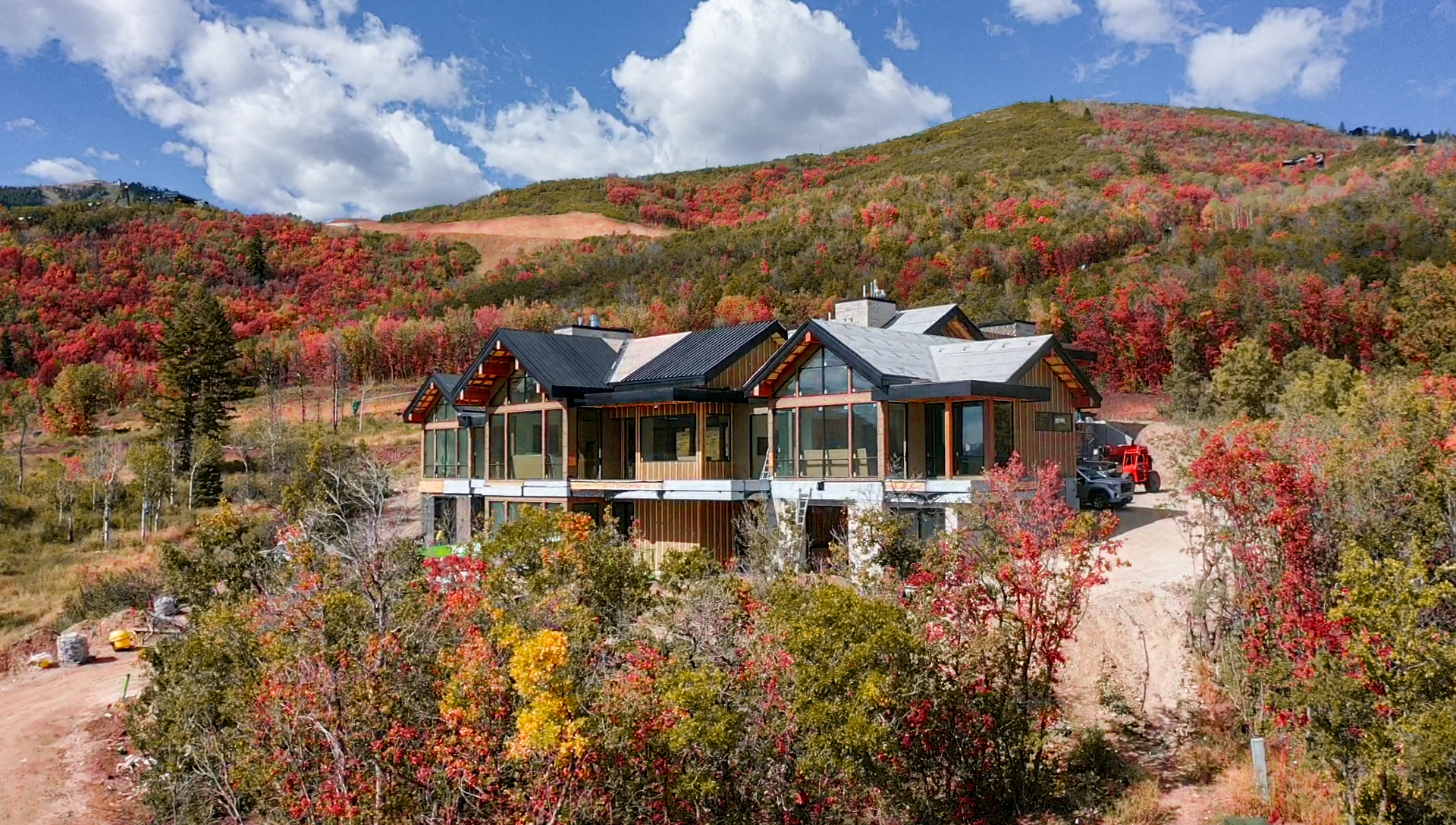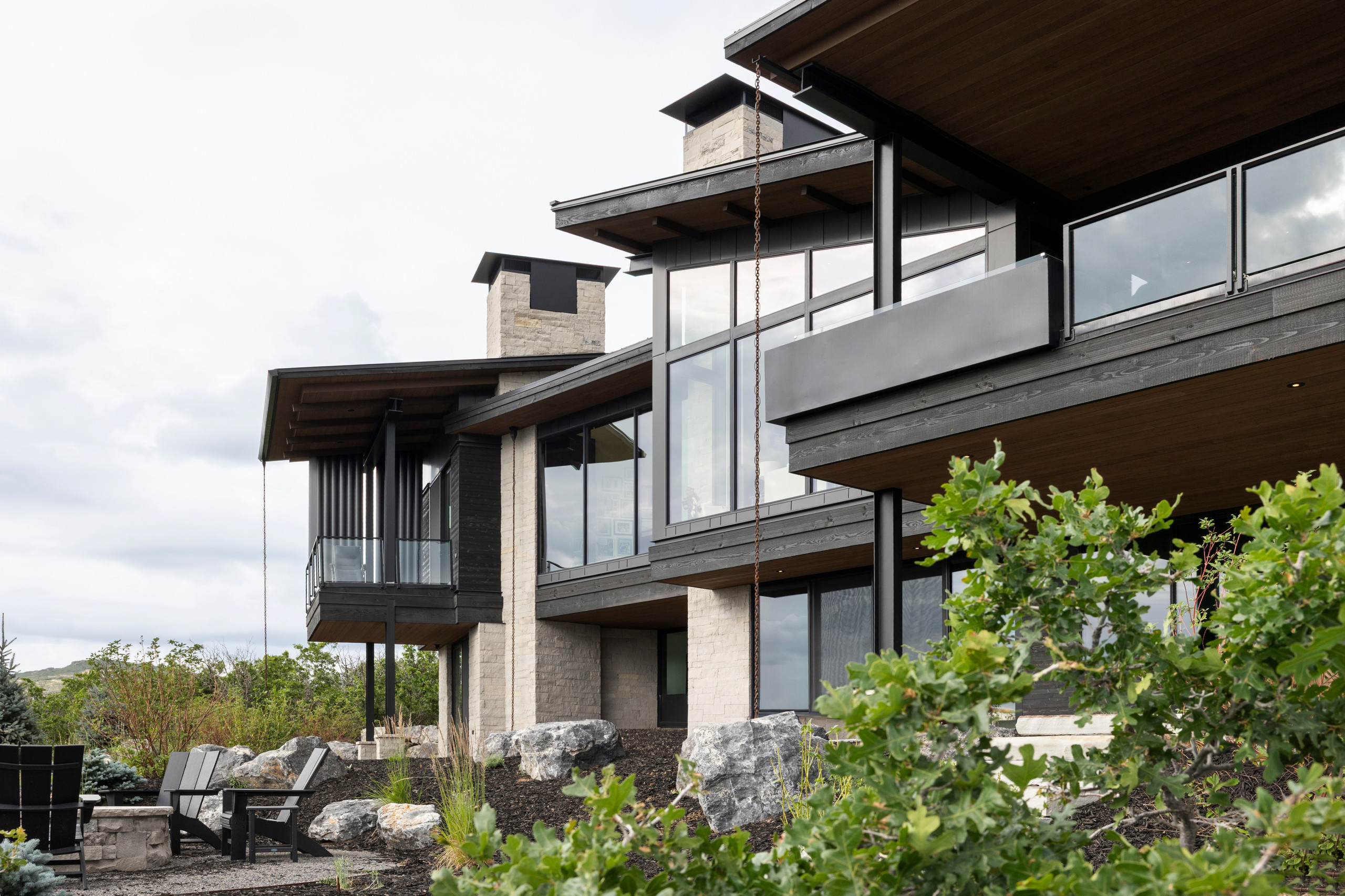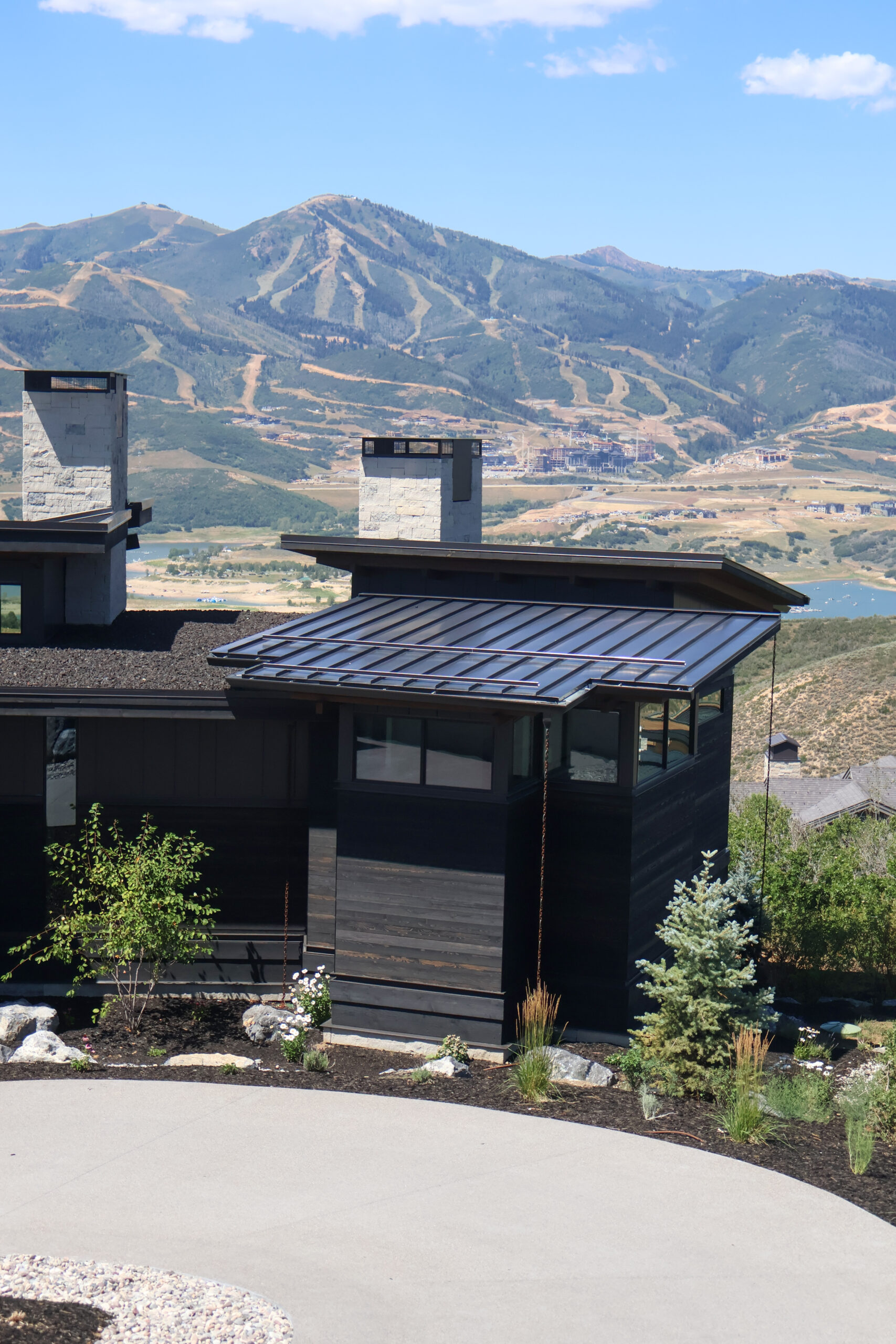

Building a home in Park City does not necessarily stop when winter arrives. In fact, many custom homes continue construction through the winter months, whether the project breaks ground in the fall or has already been underway for months.
The difference is in how the project is planned.
Snow, freezing temperatures, shorter work windows, changing site conditions, and mountain weather can all affect construction. For a luxury home, keeping the project moving through winter requires more than simply adjusting the schedule. Weather-sensitive work, material deliveries, roofing, exterior metal, and the building envelope all need to be coordinated well in advance.
For homeowners, architects, and general contractors planning a new home in Park City, the question isn’t simply whether a house can be built during winter. It’s how the project should be sequenced so the home stays protected and construction can continue as efficiently as possible.
Can You Build a House in Park City During Winter?
Yes. New home construction can continue through winter in Park City.
Some portions of construction are naturally more weather-sensitive than others. Exterior work may be affected by snow, ice, wind, and freezing temperatures, while interior work can often continue once the structure is properly enclosed.
The construction schedule may need to adapt throughout the season, but winter does not automatically mean a project has to shut down.
The key is planning ahead.
A successful winter construction schedule considers which work needs favorable weather, which materials require specific installation conditions, when exterior systems need to be completed, and how the site will be protected when conditions change.
What If Your Park City Home Is Already Under Construction When Winter Arrives?
This is a common situation for custom homes in the mountains.
A project may begin during the summer or fall and continue into winter. In that case, the goal is not necessarily to finish the entire exterior before the first snow. Instead, the construction team needs to prioritize the portions of the project that are most vulnerable to winter weather.
This often means carefully sequencing framing, roofing, windows, exterior walls, and other portions of the building envelope so the structure can become protected as efficiently as possible.
Once the home is properly enclosed, interior trades can continue even while snow is accumulating outside.
For the general contractor, this makes the transition into winter an important scheduling milestone rather than something that happens unexpectedly when the weather changes.
Why Getting the Home Enclosed Matters
The building envelope plays a critical role in protecting a new home during winter construction.
The roof, walls, windows, doors, flashing, insulation, and other exterior components work together to keep water and weather from entering the structure. Until those systems are properly integrated, portions of the home may remain vulnerable to snow and moisture.
The U.S. Department of Energy identifies roof-to-wall intersections, penetrations, valleys, and other transitions as areas where water management requires particular attention. U.S. Department of Energy — Water-Managed Roof Assemblies
For a Park City home, these details matter even more because the structure will eventually have to manage snow accumulation, melting snow, freezing temperatures, and repeated freeze-thaw cycles.
Getting the building envelope right is not simply about finishing the exterior. It is about protecting everything happening inside the home.
How Does Winter Weather Affect New Home Construction?
Park City winter conditions can affect nearly every exterior phase of a construction project.
Snow can limit site access and require ongoing removal. Freezing temperatures can affect certain materials and installation processes. Storms can delay deliveries or prevent crews from safely working on exposed areas of the structure.
Depending on the project, winter construction may involve:
- Snow removal and site management
- Adjustments to exterior work schedules
- Temporary weather protection
- Changes to material delivery schedules
- Additional planning for roof access
- Protection of unfinished building materials
- Delays caused by snow or high winds
- More coordination between exterior trades
These conditions don’t make winter construction impossible. They simply make sequencing and communication more important.
Can You Install a Roof on a New Home During Winter?
Roofing can be completed during winter when conditions allow for safe and appropriate installation.
For a new home, getting the roofing system installed is an important part of protecting the structure and allowing other construction activities to move forward.
However, the roof should be viewed as a complete system rather than simply the visible roofing material.
The roof deck, underlayment, flashing, penetrations, valleys, drainage, and roof-to-wall transitions all contribute to how the home manages water and snow.
This is especially important on custom Park City homes where complex rooflines and architectural details may require significant coordination between the architect, GC, and roofing contractor.
For projects using metal roofing, fabrication and installation should also be planned early, they can involve custom panels, flashings, trim, and other components that need to be coordinated with the larger construction schedule.
Why Early Roofing Coordination Matters
On a custom home, roofing is rarely an isolated scope.
The roof often intersects with architectural metal, wall cladding, windows, fascia, gutters, chimneys, parapets, and other exterior systems. If those details aren’t coordinated early, a delay or design conflict in one area can affect several trades.
This becomes even more important when a project is approaching winter.
A GC should know:
- What roofing system is being specified
- What materials need to be fabricated
- How long fabrication will take
- Which roof details need to be finalized
- How roofing will coordinate with wall panels and cladding
- When the roof can be installed
- What temporary protection may be required
- How the roofing schedule fits into the overall enclosure schedule
Early coordination gives the roofing contractor time to review the details and identify potential issues before crews are working in winter conditions.
What Happens if Snow Arrives Before the Roof Is Finished?
This is one of the situations that needs to be considered before winter begins.
If a project is still in the middle of exterior construction when a major storm arrives, the construction team needs a plan for protecting the exposed structure and materials.
Depending on the stage of construction, that may mean temporarily covering exposed areas, managing snow accumulation, adjusting the work sequence, or waiting for conditions to become safe before continuing.
The goal is to prevent a weather delay from turning into a moisture problem.
A winter construction plan should account for what happens between workdays, not just what happens while crews are actively installing materials.
How Snow Affects Roofing and Exterior Work
Snow creates both safety and scheduling challenges.
Accumulation can make roof access difficult and may need to be cleared before crews can safely work. Snow and ice can also affect material handling and movement around the property.
The freeze-thaw cycle creates another consideration.
Snow that melts during warmer periods can move across the roof and refreeze in colder areas. Proper roof geometry, drainage, flashing, and water-management details help the completed home handle these conditions.
For a new Park City home, these considerations should be incorporated into the design and installation of the roof rather than addressed after problems appear.
Can Interior Work Continue During Winter?
Yes, and this is one of the major advantages of properly sequencing a project before winter.
Once a home is sufficiently enclosed and protected from the elements, interior trades can continue even when exterior conditions are unfavorable.
Depending on the stage of the project, winter can become a period where crews focus more heavily on:
- Mechanical systems
- Electrical
- Plumbing
- Insulation
- Drywall
- Interior finishes
- Millwork
- Cabinetry
This is why the transition into winter should be considered during the planning stages of the project.
The objective isn’t necessarily to eliminate winter from the schedule. It’s to make sure the project is positioned to use winter productively.
Does Building a House in Park City During Winter Take Longer?
It can.
Weather delays, snow removal, site access, material deliveries, and interruptions to exterior work can all affect the overall schedule.
But the impact of winter depends heavily on how the project was planned.
A project that enters winter with major exterior scopes still unresolved may have a harder time maintaining momentum. A project that has coordinated its building envelope, roofing, windows, and exterior materials in advance may be better positioned to transition into interior work.
For custom homes, the construction schedule should account for the fact that mountain weather is not always predictable.
Does Winter Construction Cost More?
Winter construction does not automatically mean that a home will cost more, but it can introduce additional expenses.
Snow removal, temporary protection, additional site management, weather-related delays, and changes to sequencing can all affect a project.
Material lead times can also become important.
Custom roofing and architectural metal components may require fabrication before they can arrive at the job site. If those materials aren’t coordinated early enough, a project could end up waiting on materials during a limited installation window.
For this reason, early planning can help reduce avoidable delays.
How Should You Plan a Park City Home Build Before Winter?
If a new home is expected to continue into winter, the transition should be discussed well before the first major storm.
The GC, architect, and key exterior trades should identify which portions of the project are most weather-sensitive and determine when those scopes need to happen.
For the roofing and exterior metal contractor, this may mean reviewing drawings early, confirming dimensions, coordinating roof-to-wall details, ordering materials, and scheduling fabrication before winter conditions become a limiting factor.
The earlier these decisions are made, the more flexibility the project has when weather changes.
This is particularly important on luxury homes where roofing and exterior metal systems may include custom details that require coordination across multiple trades.
Building a Park City Home Through Winter Requires Coordination
Winter construction in Park City is possible, but it requires a different level of planning than building in a warmer, more predictable climate.
Whether a home breaks ground in the fall or has already been under construction for months, the project team needs to think ahead about how the structure will transition into winter.
For GCs and architects, that means coordinating the building envelope early, planning the roofing schedule, understanding material lead times, and making sure exterior systems work together.
For homeowners, it means understanding that a winter construction schedule isn’t necessarily a problem. With the right planning, work can continue and the project can move forward even when Park City’s winter weather arrives.
At Viotell, we work with general contractors, architects, and project teams on custom roofing and architectural metal systems for high-end homes throughout Park City and the surrounding mountain communities. Early coordination allows roofing and metal scopes to become part of the construction plan from the beginning—not something that has to be figured out once the structure is already underway.
Frequently Asked Questions
Can you build a house in Park City during winter?
Yes. Home construction can continue through winter in Park City. Weather-sensitive exterior work may need to be adjusted around snow and freezing temperatures, while interior work can often continue once the home is properly enclosed.
Can you start building a house in Park City in the fall and continue through winter?
Yes. Many projects begin during the warmer months and continue into winter. The key is sequencing weather-sensitive work and protecting the structure as the project transitions into colder conditions.
Can you install a roof on a new home during winter?
Yes. Roofing can be installed during winter when weather and site conditions allow for safe installation. The specific roofing material, temperature, snow, roof access, and installation requirements all need to be considered.
Should a new home be fully enclosed before winter?
Getting the home properly enclosed before significant winter weather is an important construction goal. A completed or substantially completed building envelope helps protect the structure and allows more interior work to continue during winter.
How does snow affect new home construction in Park City?
Snow can affect site access, deliveries, exterior work, roof access, and worker safety. Construction teams may need to manage snow removal and adjust the schedule around changing conditions.
Does building a house in Park City during winter take longer?
It can. Weather delays, snow removal, site conditions, and interruptions to exterior work can extend the schedule. Proper planning and early coordination can help minimize avoidable delays.
What should a GC coordinate before winter?
A GC should coordinate weather-sensitive exterior scopes, roofing, windows, flashing, wall cladding, material deliveries, fabrication schedules, and temporary weather protection before winter conditions become a major constraint.
When should a roofing contractor be involved in a new home build?
Ideally, the roofing contractor should be involved during design and preconstruction, especially for a custom home with complex roof geometry, architectural metal, multiple exterior materials, or detailed roof-to-wall transitions.
Does winter construction cost more in Park City?
It can, depending on the project. Snow removal, temporary protection, weather delays, additional site management, and changes to construction sequencing may increase costs, although winter construction itself does not automatically mean a project will cost more.