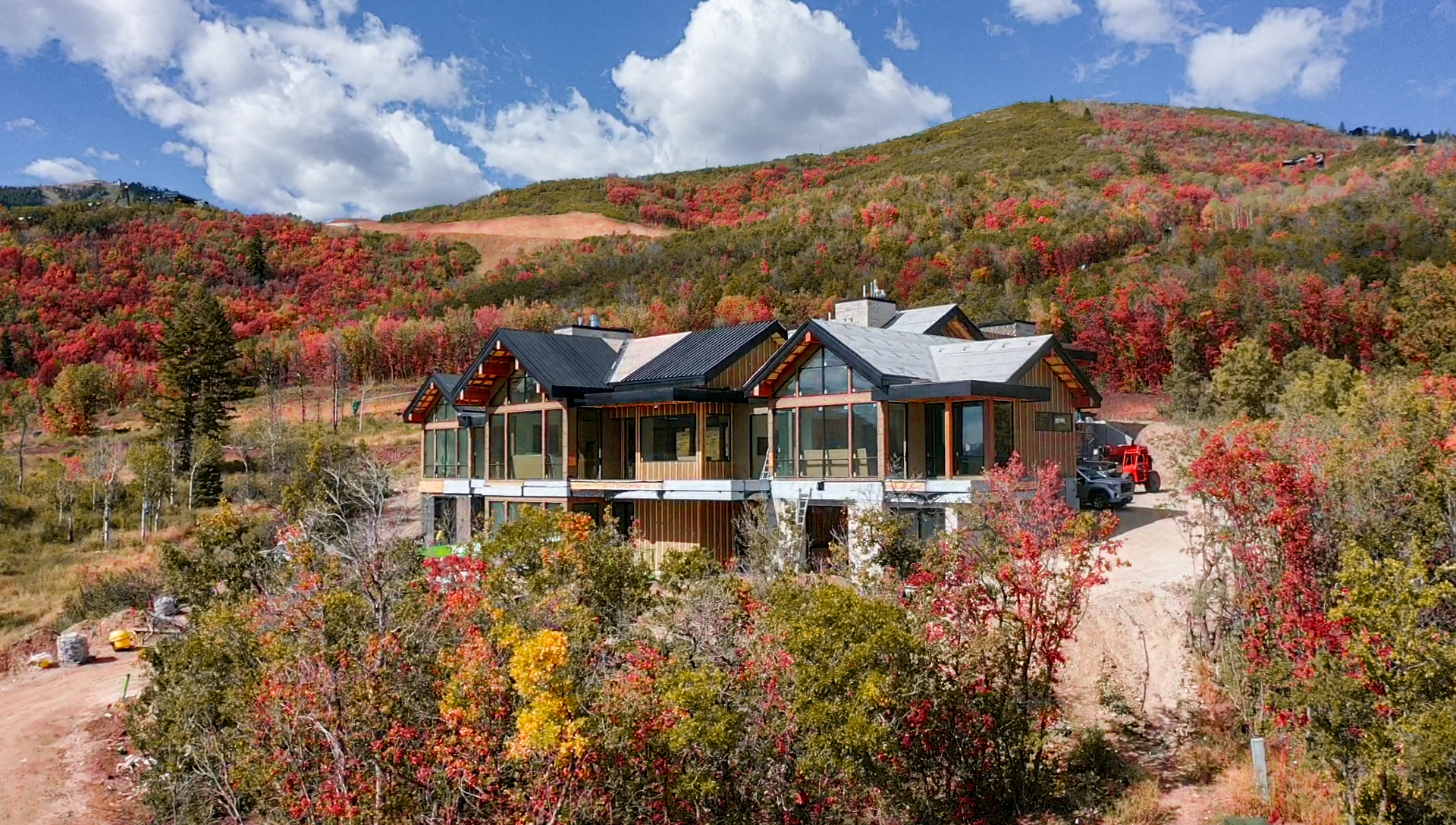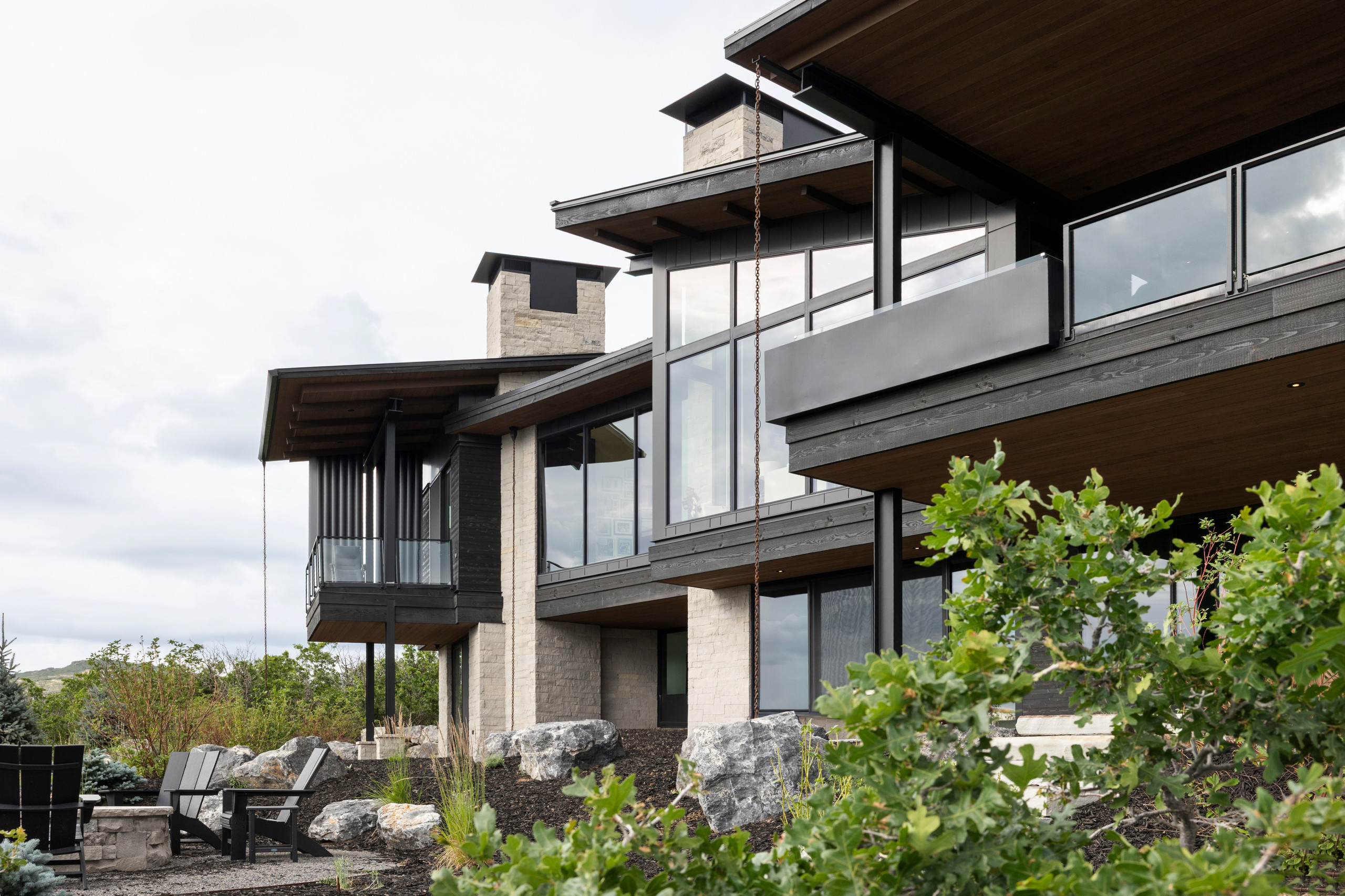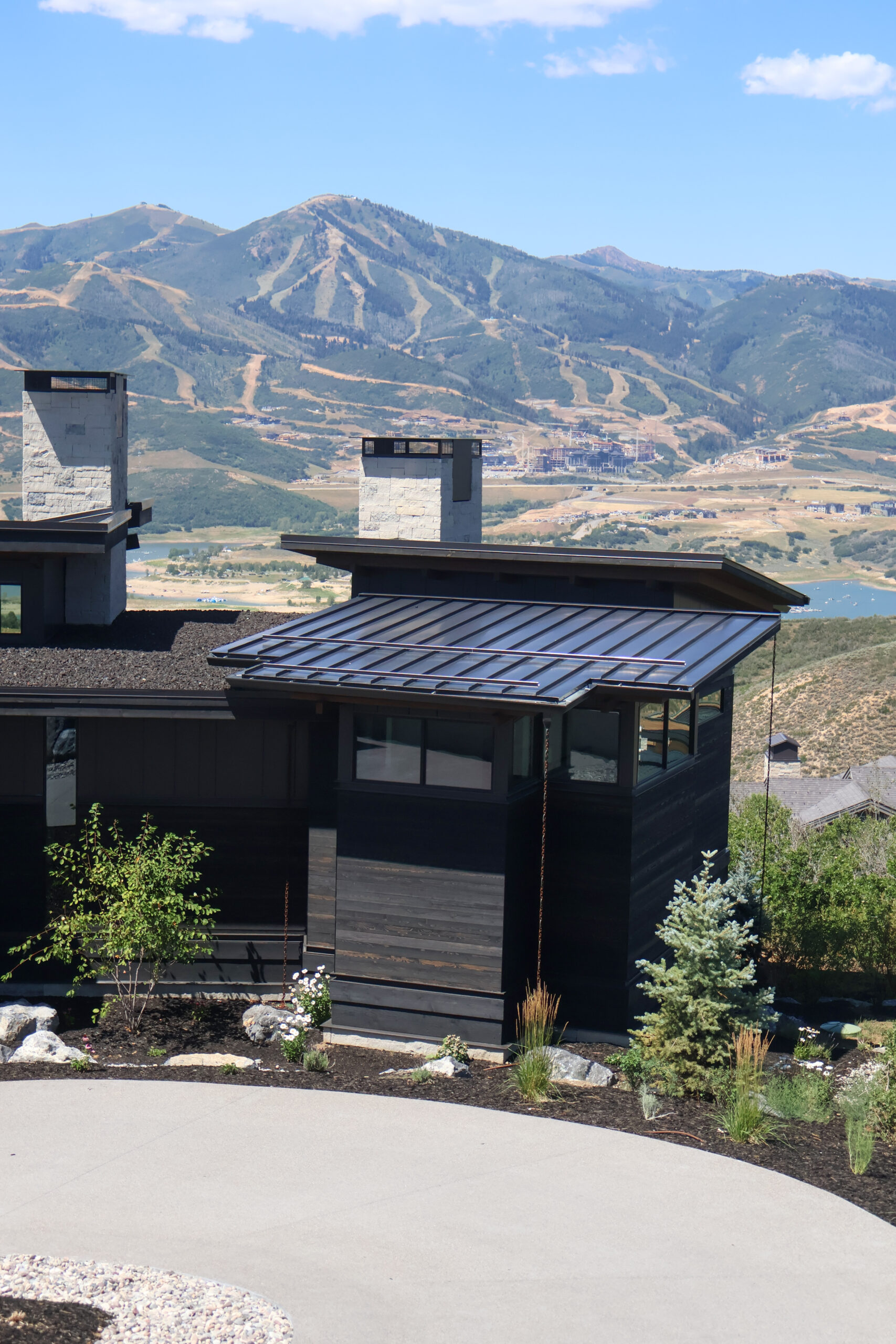

Utah is one of the few states where a roofing contractor can work on a valley commercial project at 4,300 feet in the morning and drive to a mountain residential install at 7,500 feet the same week. Those two projects may both call for metal roofing, but the systems, details, and installation methods need to be different. Treating them the same is one of the most common mistakes builders and property owners make.
At Viotell Roofing, we install metal roofing across the full range of Utah’s elevations. That experience has made one thing clear: the system has to match the environment, not just the building.
What Changes Between Valley and Mountain
Snow load and accumulation patterns
The most obvious difference is snow. Park City and the surrounding mountains see 200 to 300+ inches of annual snowfall at higher elevations. Salt Lake City averages closer to 50 to 60 inches. That gap changes everything about how a roof is designed. A mountain roof needs to handle sustained heavy loads, manage controlled snow release with proper snow management systems, and resist ice damming at eaves and valleys. A valley roof rarely deals with those conditions at the same intensity.
UV exposure and thermal cycling
UV radiation increases roughly 4 to 5 percent for every 1,000 feet of elevation gain. A roof at 7,000 feet absorbs significantly more solar energy than one at 4,300 feet. That accelerated exposure breaks down coatings and organic materials faster. Temperature swings are also more dramatic at elevation, with larger daily ranges that stress fasteners, seams, and panel joints through constant expansion and contraction.
Wind behavior
Wind patterns in the mountains are different from the valley. Ridgelines, canyons, and exposed hillsides create channeling effects that increase wind speed and change the direction of pressure on a roof. Valley buildings deal with different wind conditions, often more consistent but less intense. Panel profile, fastener type, and edge detailing all need to account for the specific wind exposure at the site.
How Roofing Systems Differ by Environment
Panel profiles and seam types
Standing seam with concealed clips is the go-to for most mountain projects. It handles thermal movement, resists wind uplift, and integrates well with snow retention systems. In the valley, exposed fastener panels or architectural shingle profiles can be appropriate for projects where the climate demands are lower and the budget is tighter. The key is matching the profile to the actual conditions, not defaulting to one system everywhere.
Snow retention and drainage
Mountain roofs need a designed snow retention plan. Snow guards, retention bars, and heat cable systems are planned based on roof geometry, pitch, and what sits below the eave line. Valley roofs may still benefit from snow retention on steeper slopes, but the design requirements are less intensive. Drainage planning also shifts. Mountain roofs face slower melt cycles and more freeze-thaw events, which means drainage details need to be more carefully considered.
Flashing and transition details
Transition points are where most roof failures start, regardless of elevation. But mountain conditions make poor detailing more punishing. Ice, sustained snow contact, and bigger thermal swings all stress flashings harder and sooner. Custom-fabricated flashings from a facility like Viotell’s sheet metal fabrication shop fit tighter and perform more consistently than generic off-the-shelf parts, which matters most when the margin for error is thin.
Coating and Material Selection
Material and coating choices should shift with elevation. Kynar and PVDF coatings are common on mountain projects because they resist UV degradation and hold color stability at altitude. At lower elevations, a wider range of coating options can perform adequately because the UV load is lower.
Material type matters too. Aluminum’s corrosion resistance makes it a strong choice in moist mountain environments. Galvalume steel works well across both mountain and valley for its balance of durability and cost. Zinc and copper offer natural patina development that appeals to many mountain home designs. The right call depends on the project’s exposure, aesthetic goals, and long-term maintenance plan.
Envelope Integration at Different Elevations
In mountain builds, the connection between the roof and the wall system carries more risk. Snow piles against roof-to-wall transitions. Meltwater runs into joints that valley buildings rarely have to worry about at the same volume. An integrated building envelope approach, where roofing and metal wall panels are coordinated as one system, reduces the chance of failure at these critical points.
Valley projects benefit from envelope coordination too, but the consequences of imperfect detailing are typically less severe because the weather loads are lower. That said, best practices apply at any elevation. The buildings that perform best over time are the ones where the roof and wall were designed to work together from the start.
Why One Contractor Should Understand Both Environments
A roofing contractor who only works in the valley may underestimate what mountain conditions demand. A contractor who only works at elevation may over-spec valley projects and drive up costs unnecessarily. The best results come from a team that understands both environments and can adjust the system, materials, and details to match the actual conditions at the site. Viotell works across the full Wasatch Front, from Salt Lake City to Park City to Heber City. To discuss your project, contact us for a free quote.
FAQ
Can the same metal roofing panel be used at different elevations?
The same panel type can sometimes work, but the installation details change. Fastener systems, seam types, snow retention, flashing details, and coating specifications all need to be adjusted based on the elevation and exposure of the specific project.
Is metal roofing more expensive for mountain builds?
Mountain projects typically cost more because they require heavier-duty details, custom fabrication, snow retention planning, and sometimes more complex access logistics. The long-term value is strong because metal roofs at elevation outperform most alternatives over time.
How does Viotell decide what system to recommend?
Every project starts with a site evaluation. We look at elevation, exposure, roof geometry, snow history, wind patterns, and the building’s design goals. The recommendation is based on the actual conditions, not a one-size-fits-all approach.
Do valley roofs in Utah still need snow guards?
In many cases, yes, especially on steeper metal roofs or above walkways and parking areas. The snow loads are lighter than in the mountains, but snow can still release from a metal roof in sheets if retention isn’t planned.
Does Viotell serve both mountain and valley locations?
Yes. Viotell installs metal roofing systems from Salt Lake City through Park City, Heber, Midway, and surrounding communities. We adjust our approach based on each site’s specific conditions.
References
Western Regional Climate Center. Utah Climate Summary Data.
Building America Solution Center. Managing Snow Loads on Roofs and Decks.