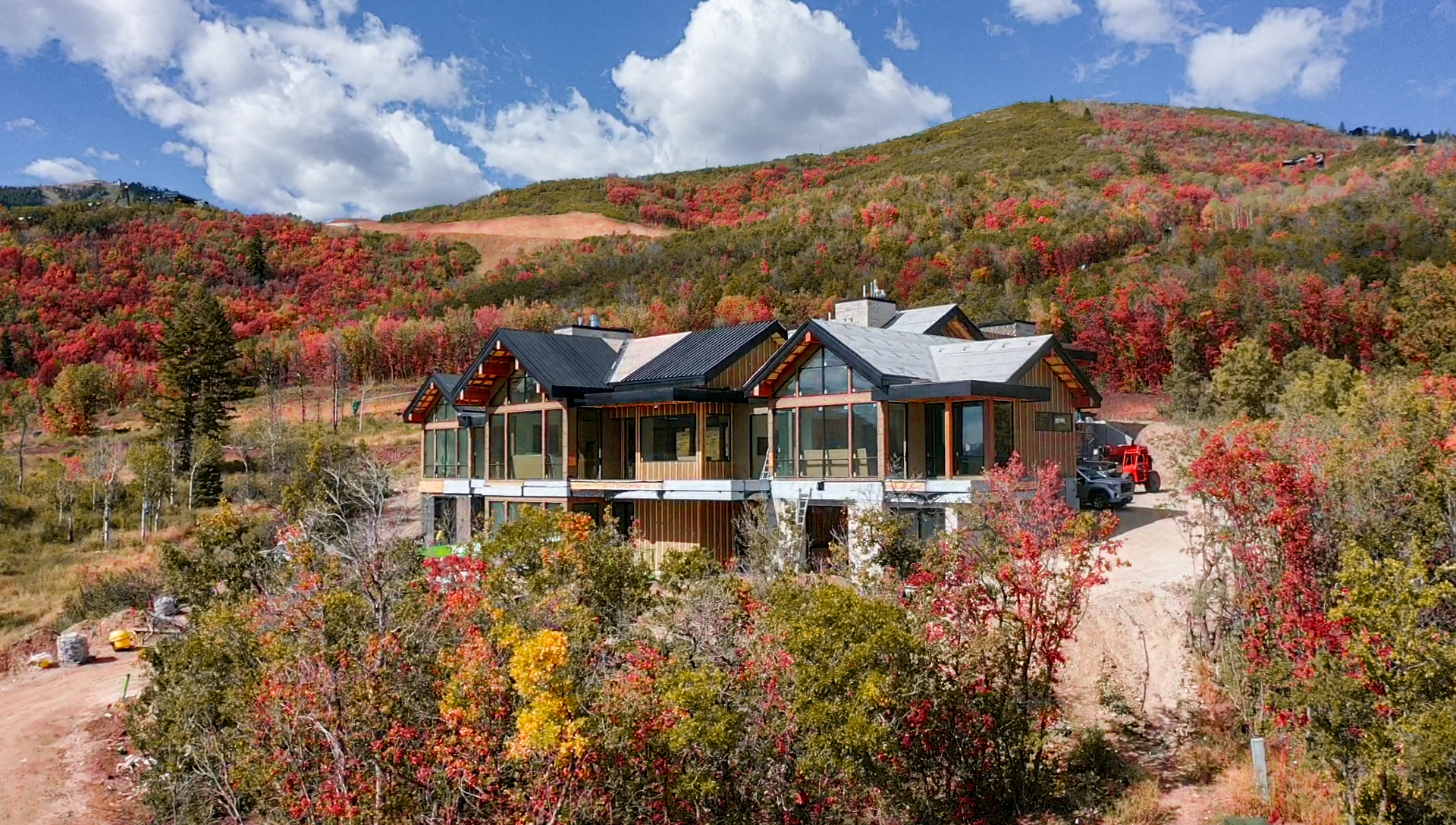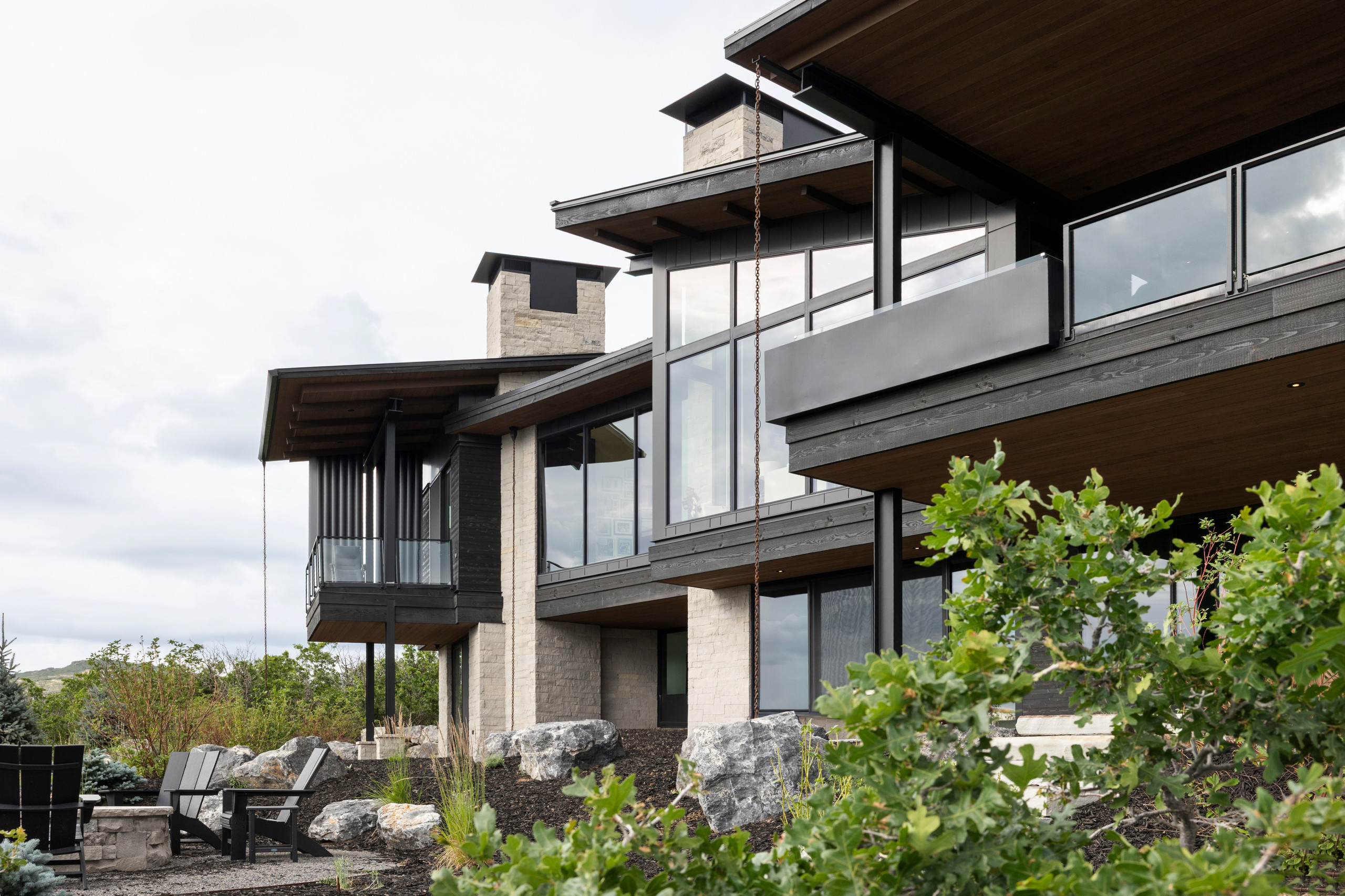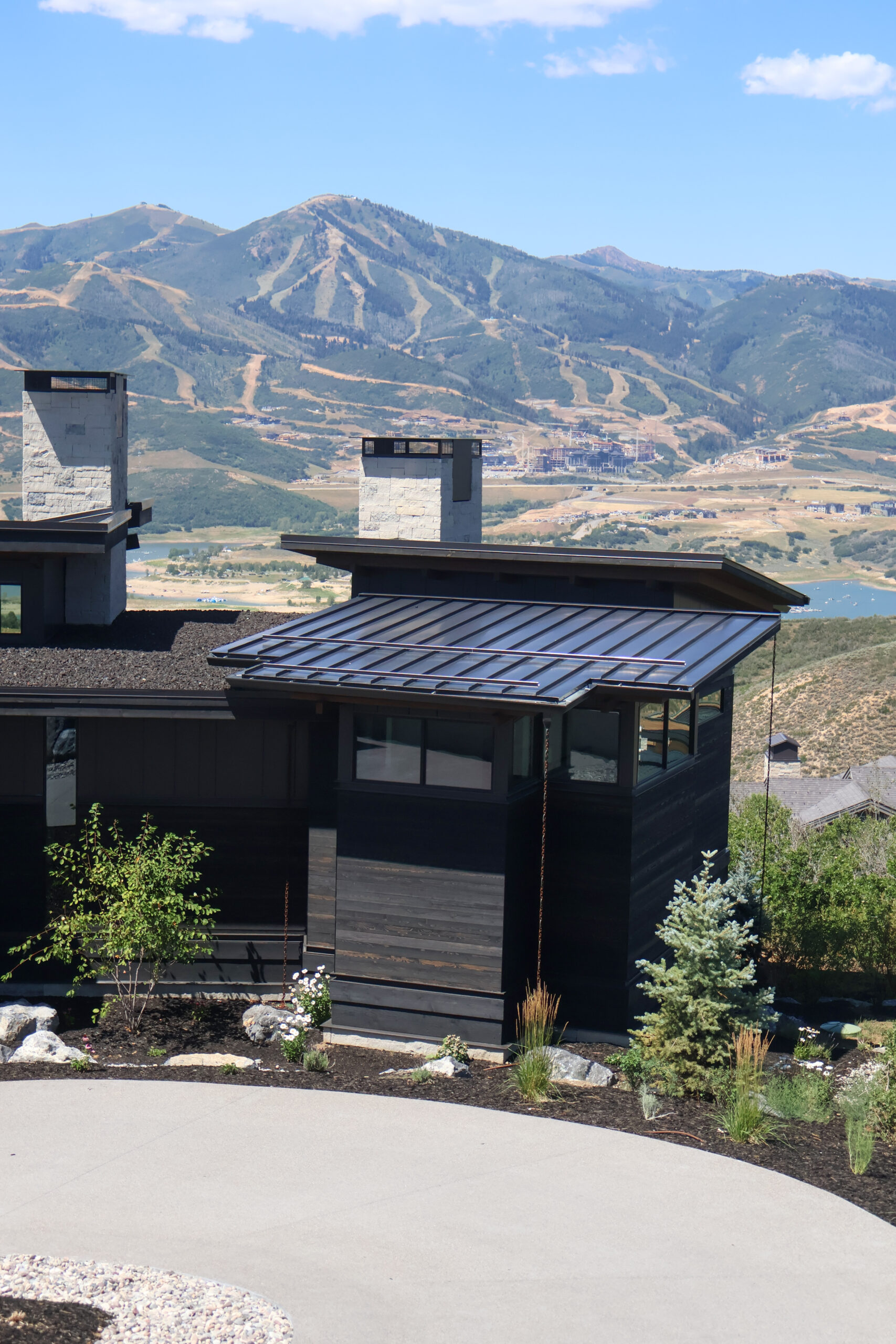

Most people don’t think about sheet metal when they think about their building. They think about the roof, the walls, maybe the windows. But sheet metal fabrication is the work that ties all of those pieces together. It’s the flashings, the trim, the copings, the custom panels, and the transition details that make the difference between a building that looks finished and performs well and one that starts showing problems within a few years.
At Viotell Roofing, sheet metal fabrication is one of the foundations of everything we do. It supports our roofing, our wall panel work, and our ornamental projects. Here’s why it deserves more attention than it usually gets.
Sheet Metal Is the Connective Tissue of a Building
A metal roof keeps water out across the main roof plane. Metal wall panels protect the sides of the building. But where those two systems meet, and at every edge, corner, and penetration, it’s sheet metal details that make the connection. Without well-fabricated flashings, drip edges, and trim, even the best roofing and cladding materials will fail at the joints.
Think of it this way: the panels are the armor, and the sheet metal details are the seals between the plates. If the seals don’t fit right, the armor doesn’t matter.
What Custom Fabrication Actually Looks Like
Custom sheet metal work starts with the project’s actual dimensions. Instead of pulling standard-width flashings off a shelf and cutting them down in the field, custom fabrication produces components that match the real angles, widths, and profiles of the building. This happens in a controlled shop environment with precision brakes and forming equipment.
At Viotell, that shop is our Salt Lake Valley fabrication facility. We work from architectural details and field measurements to produce components that fit the first time. That means less material waste, fewer field modifications, and a cleaner installed result.
Where Custom Work Makes the Biggest Difference
Complex roof geometry
Mountain homes and high-end commercial buildings often have roof lines with multiple valleys, hips, dormers, and pitch changes. Every one of those intersections needs a custom-fitted sheet metal detail. Standard parts rarely match the exact angles involved, which forces installers to modify them on-site. That field work introduces variability and risk.
Roof-to-wall connections
The transition from roof to wall is one of the hardest details to get right, especially in snow country. Snow sits against this joint for months. Meltwater runs into it during every thaw. Custom step flashings and counter flashings, built to the exact wall and roof profiles, create a tight seal that manages water reliably through the worst conditions. This is especially important when the project involves an integrated building envelope system.
Chimney and penetration work
Chimneys, skylights, vents, and mechanical curbs all break the roof plane and create potential leak points. Custom chimney caps and base flashings fit tighter and look better than universal pieces. In mountain climates where these features are exposed to heavy snow and ice, the precision of the fabrication directly affects how long the detail holds up.
Ornamental and decorative applications
Sheet metal fabrication isn’t limited to functional details. Ornamental metal work, including decorative screens, custom fascia treatments, railing details, and accent panels, adds character and design quality to a building. These components require the same fabrication precision as structural details, with an added focus on visual finish and consistency.
The Hidden Cost of Generic Parts
Generic sheet metal components are cheaper per piece. That’s true. But the total cost of using them is often higher than custom fabrication when you account for field labor, waste, callbacks, and long-term repairs.
When a generic flashing doesn’t match the actual roof angle, an installer has to cut it, bend it, seal it, and hope it holds. That process takes time, introduces inconsistency, and produces a result that’s harder to inspect and warranty. When the flashing fails two years later and water gets behind the wall, the cost to diagnose and repair the damage far exceeds the savings from the original part.
Custom fabrication avoids that cycle. Components arrive ready to install, fit correctly the first time, and perform predictably for years.
How Viotell Handles Sheet Metal Fabrication
Our fabrication team works alongside our roofing and wall panel crews, which means the details are designed and manufactured with full awareness of how the primary systems are going together. That coordination is hard to replicate when fabrication and installation are handled by separate companies. To learn more or discuss your project, reach out to our team.
FAQ
What types of projects need custom sheet metal fabrication?
Any project with complex geometry, non-standard roof angles, integrated wall and roof systems, or high-performance envelope requirements. Mountain homes, commercial buildings, and resort properties are all common applications.
Can Viotell fabricate sheet metal for projects we’re not installing?
In most cases, we handle both fabrication and installation to maintain quality control and ensure the components fit as intended. For select projects, we can discuss fabrication-only arrangements.
What metals does Viotell work with?
Steel (with various coatings including Galvalume and Kynar), aluminum, copper, and zinc. Material selection depends on the project’s location, exposure, and design goals.
How far in advance should sheet metal fabrication be scheduled?
Lead times vary by project scope, but planning 3 to 6 weeks ahead of the installation date is a good rule of thumb. Complex projects with multiple custom details may need longer.
Does custom sheet metal affect the project timeline?
It adds fabrication lead time upfront, but that’s usually offset by faster, smoother installation. When components arrive ready to fit, the install moves quicker and with fewer interruptions.
References
SMACNA. Architectural Sheet Metal Manual.
Metal Construction Association. Metal Roofing Installation Best Practices.