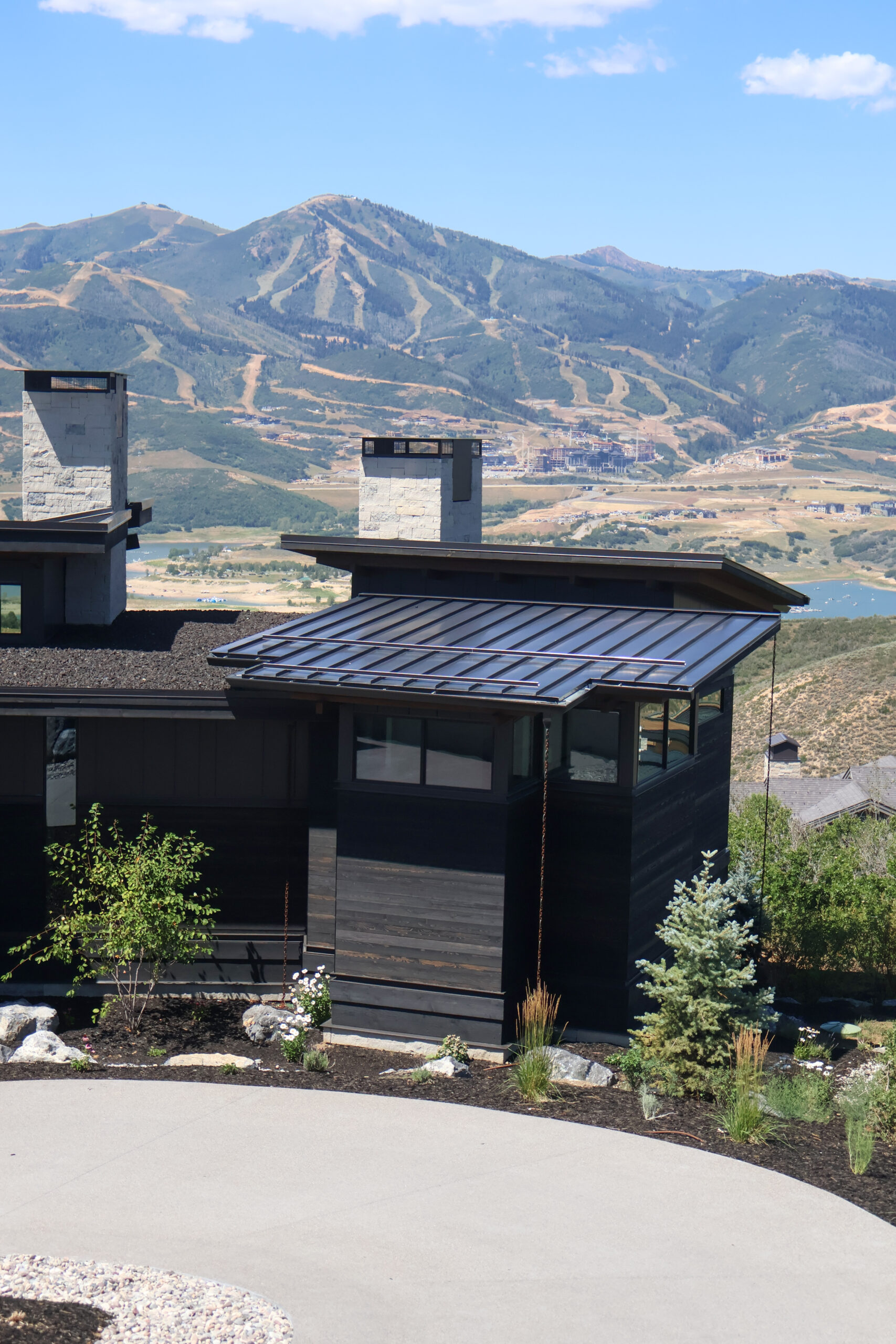

Summer is one of the best times of year for homeowners to evaluate the condition of their roof. While winter tends to expose major problems, warmer weather makes it easier to identify wear, address minor issues, and prepare the roof for the seasons ahead.
In Utah, summer roof maintenance is especially important because roofing systems continue to deal with intense UV exposure, rapid temperature swings, seasonal storms, and leftover wear from winter conditions. Even if a roof appears fine from the ground, small issues can develop over time and become more expensive if they are ignored.
Regular maintenance helps extend roof life, improve performance, and reduce the likelihood of unexpected repairs later in the year.
Why Summer Roof Maintenance Matters in Utah
Utah roofs experience a wide range of environmental stress throughout the year. Heavy snow, freeze and thaw cycles, spring runoff, and strong summer sun all affect roofing materials differently.
By summer, many roofs are coming out of months of moisture exposure and temperature fluctuations. Warmer weather creates an opportunity to inspect the system more thoroughly and address areas that may have weakened during winter.
Summer is also an ideal time for repairs because weather conditions are generally more predictable than they are during colder months.
Inspect for Visible Damage
One of the first steps in summer roof maintenance is checking for visible signs of wear or damage.
Homeowners should look for:
- damaged or missing shingles
- loose flashing
- exposed fasteners
- sagging areas
- debris buildup in valleys or drainage paths
- staining or discoloration
Even small issues can allow moisture intrusion over time, especially during summer storms or future snow seasons.
A visual inspection from the ground is helpful, but professional inspections are often recommended for steeper or more complex roofs.
Clear Gutters and Drainage Systems
Proper drainage is one of the most important parts of roof performance.
Leaves, pine needles, sediment, and debris can collect in gutters, valleys, scuppers, and downspouts throughout the year. If water cannot move away from the roof efficiently, it may back up into vulnerable areas during storms.
Summer is a good time to clear drainage systems and ensure water is flowing properly before monsoon activity or fall weather begins.
Check Flashing and Roof Transitions
Roof leaks often begin at flashing locations rather than across the main roof surface.
Areas around:
- chimneys
- skylights
- vents
- roof-to-wall intersections
- valleys
should be inspected carefully for separation, movement, or deterioration.
In Utah’s climate, repeated expansion and contraction from temperature swings can slowly weaken these areas over time.
Evaluate Roof Ventilation
Roof ventilation plays a major role in both roof lifespan and overall home performance.
Poor ventilation can trap heat in attic spaces during summer, increasing stress on roofing materials and contributing to higher indoor temperatures. Over time, excessive heat buildup may also accelerate aging in certain roofing systems.
A properly ventilated roof helps regulate temperature and moisture movement throughout the year.
Watch for UV and Heat-Related Wear
Many homeowners associate roof damage primarily with winter weather, but summer conditions can be equally demanding.
At higher elevations in Utah, UV exposure is stronger and can gradually affect:
- sealants
- exposed components
- certain roofing materials
- color and finish performance
Long periods of direct sun combined with temperature fluctuations can accelerate aging, particularly on older roofs.
Trim Overhanging Trees
Tree branches that extend over the roof can create several maintenance concerns during summer.
Branches may:
- scrape roofing surfaces during wind
- drop debris into valleys and gutters
- trap moisture in shaded areas
- increase the risk of storm-related damage
Keeping branches trimmed back helps improve drainage, reduce debris buildup, and limit unnecessary wear.
Schedule Preventative Repairs Early
Summer is often the best time to complete smaller roofing repairs before colder weather returns.
Minor issues such as loose flashing, isolated damage, or drainage concerns are typically easier to address during stable weather conditions. Waiting until leaks appear or winter arrives often leads to larger repairs and more difficult scheduling.
Preventative maintenance is usually more cost-effective than emergency repairs.
Signs It May Be Time for a Professional Inspection
While some maintenance can be handled visually, certain warning signs should be evaluated professionally.
These include:
- recurring leaks
- interior water staining
- visible sagging
- repeated drainage issues
- storm damage
- roofs approaching the end of their expected lifespan
A professional inspection can help identify developing issues before they become major problems.
Final Thoughts
Summer roof maintenance helps Utah homeowners identify wear, improve drainage, and prepare roofing systems for future weather conditions. Regular inspections and preventative repairs can extend roof life while reducing the likelihood of larger issues later in the year.
Many roofing problems begin as small weaknesses that are easy to overlook. Addressing them early is often the difference between routine maintenance and costly repairs.
Frequently Asked Questions
How often should a roof be inspected in Utah?
Most roofs should be inspected at least once per year, with additional inspections recommended after severe storms or heavy winters.
Why is summer a good time for roof maintenance?
Summer weather is generally more stable, making it easier to inspect roofs, complete repairs, and identify damage left behind by winter conditions.
What are the most common summer roofing problems in Utah?
Common issues include UV-related wear, damaged flashing, drainage problems, debris buildup, and heat-related aging of roofing materials.
Can heat damage a roof?
Yes. Prolonged UV exposure and high temperatures can affect certain materials, sealants, and exposed roofing components over time.
Should gutters be cleaned during summer?
Yes. Clearing gutters and drainage systems during summer helps prevent water backup during storms and prepares the roof for future weather conditions