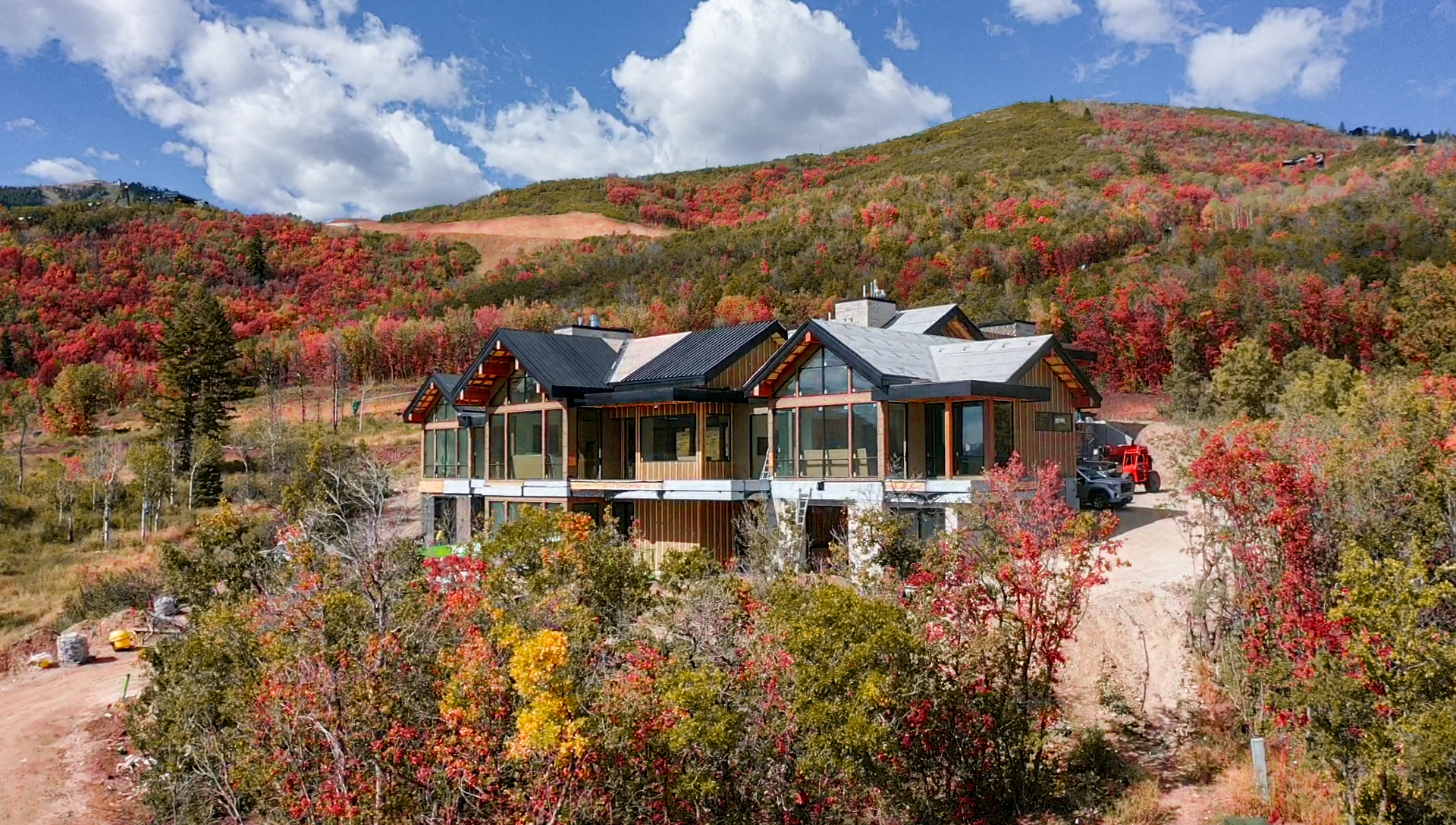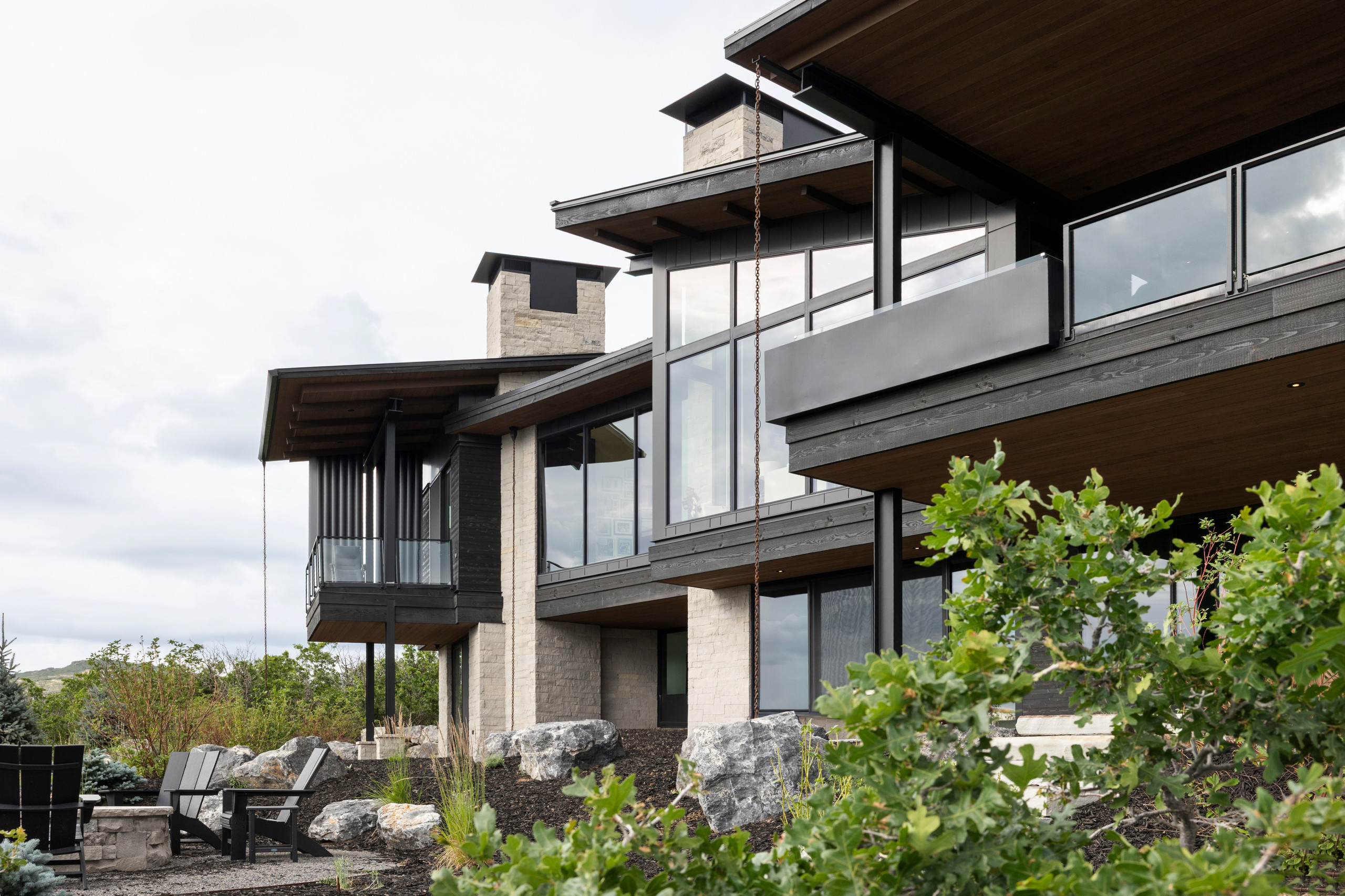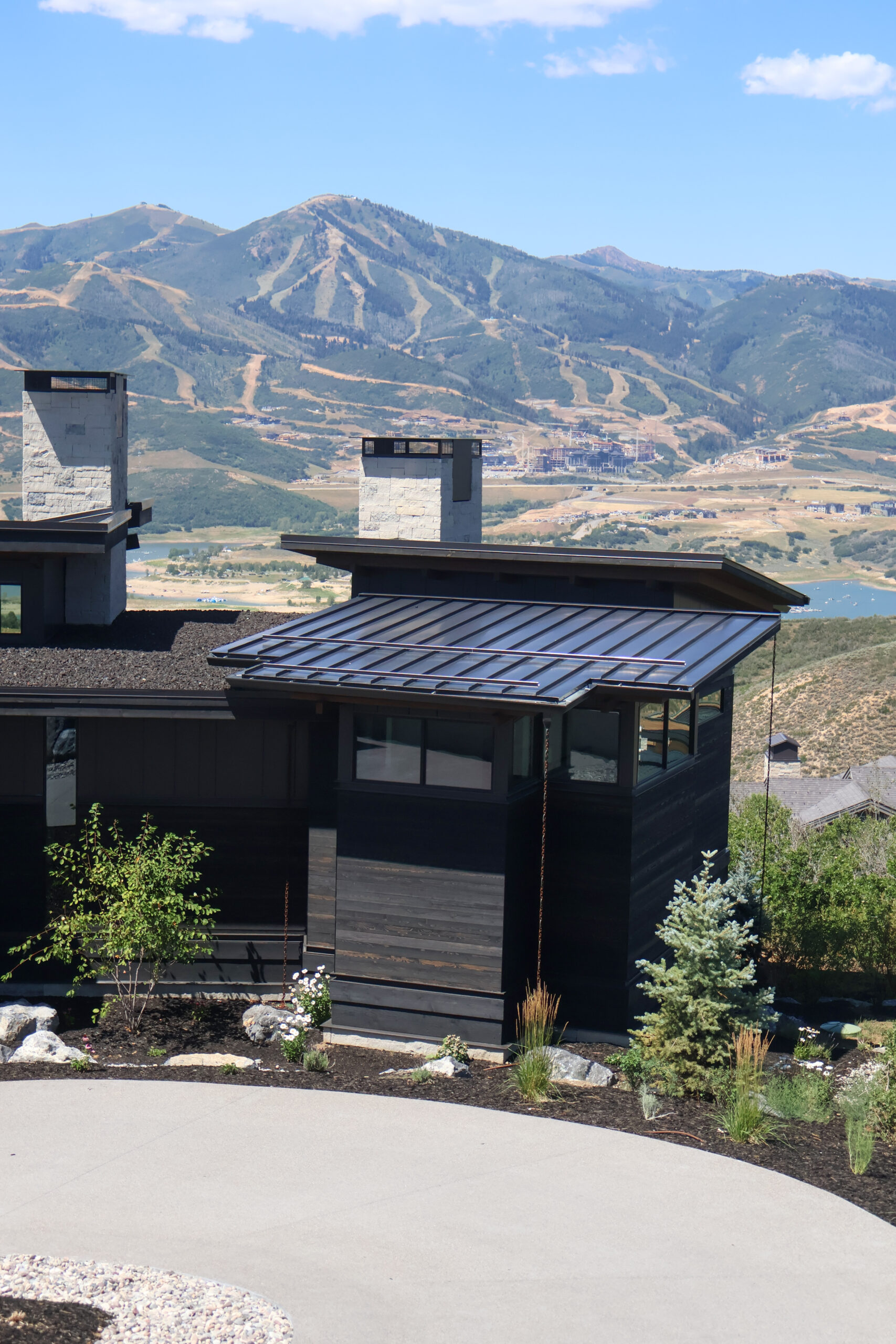

The biggest vulnerabilities in any building envelope aren’t in the middle of a roof panel or the center of a wall section. They’re at the edges, corners, transitions, and penetrations where different materials and systems meet. That’s where water gets in. That’s where air leaks start. And that’s where sheet metal fabrication makes the most difference.
At Viotell Roofing, we fabricate custom sheet metal components for roofing and cladding projects across Utah. These details aren’t afterthoughts. They’re the parts of the building envelope that determine whether the system performs or fails over time.
Why Details Drive Envelope Performance
A building envelope controls moisture, air, and heat transfer between the interior and exterior. Each layer plays a role: the roofing sheds water, the cladding protects the wall, the insulation controls temperature, and the air barrier limits unintended airflow. When these layers connect properly at every transition, the system works. When there’s a gap, a misalignment, or a poorly fitted component at a joint, the envelope breaks down at that point.
Sheet metal details are what hold these connections together. Flashings, copings, drip edges, counter flashings, and trim pieces all serve as the connective tissue between different envelope components.
Key Sheet Metal Details and What They Protect
Flashings at roof-to-wall transitions
The junction where a metal roof meets a metal wall panel is one of the highest-risk areas on the building. Snow accumulates against this joint. Meltwater follows gravity into it. Wind-driven rain pressurizes it. Custom step flashings, counter flashings, and kick-out flashings at these transitions direct water away from the wall assembly and keep the connection sealed through seasonal movement.
Copings and parapet caps
Parapet walls are exposed on all sides. Without a properly designed coping, water penetrates the top of the wall and works its way down into the structure. A custom metal coping, fabricated to the exact width and profile of the parapet, caps the wall and directs water outward. It also provides a clean finished look that ties into the rest of the metal envelope.
Drip edges and eave details
Drip edges control where water goes when it reaches the bottom of the roof. Without them, water can wick back under the roofing membrane or flow behind gutters and into the fascia. A well-designed drip edge, sized and angled for the specific roof profile, breaks the surface tension and directs water cleanly into the gutter or away from the wall below.
Chimney and penetration flashings
Every penetration through the roof surface, whether it’s a chimney, vent, skylight, or mechanical curb, creates a potential leak point. Custom chimney caps and base flashings built to the exact dimensions of each penetration fit tighter and last longer than universal pieces. In mountain environments where snow sits against these features for months, the precision of the fit directly affects how long the detail holds up.
Window head and sill flashings
Where windows meet wall cladding, water needs to be directed out and away from the rough opening. Head flashings above the window and sill pans below it create a drainage path that protects the wall assembly. When these are fabricated to match the exact window dimensions and wall build-up, the system is much more reliable than field-bent generic pieces.
Why Custom Fabrication Outperforms Stock Parts
Stock flashings come in standard sizes and angles. They’re designed to work on a wide range of buildings, which means they’re optimized for none of them. On simple structures with standard geometry, they can get the job done. On complex mountain homes, commercial buildings, or any project where the roof and wall geometry deviates from the ordinary, stock parts require cutting, bending, and shimming in the field.
Custom fabrication eliminates that guesswork. At Viotell, we manufacture each component in our Salt Lake Valley shop to match the actual dimensions from the project’s drawings. The result is cleaner fits, fewer field modifications, and stronger long-term performance. This is especially true when the project involves integrated building envelope systems where every detail needs to work with the adjacent components.
How These Details Support Long-Term Performance
Sheet metal details are the first things to fail when they’re poorly executed and the last things to need attention when they’re done right. A well-fabricated flashing that directs water properly won’t need replacement for decades. A poorly fitted one can start leaking within a year or two.
In Utah’s mountain climate, where freeze-thaw cycles, heavy snow, and UV exposure put constant pressure on the building envelope, the quality of these details determines how the entire system ages. Investing in precision fabrication for these components protects everything behind them: the insulation, the framing, the interior finishes, and the long-term value of the building.
If you’re planning a project where envelope performance matters, contact Viotell to discuss how custom sheet metal details can strengthen your building’s exterior.
FAQ
What is the most common place for a building envelope to fail?
Transitions and penetrations. The points where the roof meets the wall, where windows are installed, and where pipes or vents pass through the roof surface are the most common failure points. Properly fabricated sheet metal details at these locations prevent the majority of water intrusion issues.
Can custom sheet metal details be added to an existing building?
Yes. Retrofit flashings, copings, and drip edges can be fabricated and installed on existing buildings during re-roofing, re-cladding, or targeted repair work. It’s often the most effective way to address ongoing leak issues.
How does Viotell coordinate sheet metal details with roofing and wall panels?
We handle roofing, wall panels, and sheet metal fabrication under one team. That means the flashings and details are designed alongside the primary systems, not as a separate scope handled by a different contractor. Learn more on our partners page.
What materials are used for architectural sheet metal details?
The most common materials are steel with Galvalume or painted finish, aluminum, copper, and zinc. Material selection depends on the primary cladding and roofing materials, the climate, and the aesthetic goals of the project.
Are custom sheet metal details more expensive than stock?
Per piece, yes. But the installed cost difference narrows when you factor in reduced field labor, fewer callbacks, and better long-term performance. On complex projects, custom fabrication often saves money over the life of the building.
References
SMACNA. Architectural Sheet Metal Manual.Building Science Corporation. Water Management Details for Walls and Roofs.