
On a custom home, there’s only so much you can solve once you’re standing on the roof. A lot of the work that makes an installation go smoothly happens before the material ever reaches the jobsite. That’s where custom fabrication can make a real difference. When architectural metal components are fabricated specifically for a project, the goal isn’t just to create a piece that fits the design. It’s to have the details thought through ahead of time so the crew isn’t figuring everything out for the first time in the field. For complex roofs, wall panels, fascia, soffits, and other architectural metal systems, that preparation can save a lot of time once installation begins.
What Does Custom Fabrication Actually Mean?
Custom fabrication means producing metal components specifically for the dimensions, details, and conditions of a particular project. That can include roofing panels, wall panels, fascia, soffits, coping, flashing, gutters, chimney caps, and other architectural sheet metal components. Instead of relying entirely on standard pieces and modifying them on site, more of the work can be completed in the shop before it ever gets to the building. That doesn’t mean every component needs to be custom fabricated. It means the pieces that require a specific fit or detail can be planned and produced around the actual project.
How Does Custom Fabrication Save Time on the Jobsite?
One of the biggest advantages is simply having more of the work figured out before installation starts. When a component arrives already fabricated to the required dimensions and details, the installer isn’t spending as much time measuring, cutting, bending, or modifying material on the roof or at the wall. That matters even more on a high-end project where rooflines, transitions, windows, and exterior materials all have to line up. A few minutes saved on one piece might not seem like much. Across an entire project, those small efficiencies can add up.
Does Custom Fabrication Reduce Field Modifications?
It can. Field modifications are sometimes unavoidable, especially on custom construction where conditions can change as the project progresses. But the more accurately a component can be planned and fabricated ahead of time, the less work there may be to figure out in the field. This is particularly useful for complicated details where multiple materials meet. A roof edge might need to transition into fascia. A wall panel may need to terminate around a window. A parapet may need to coordinate with roofing and waterproofing. Those details are much easier to manage when they’re considered before installation rather than treated as a problem to solve once the crew is already there.
Why Does Coordination Matter So Much?
Custom fabrication works best when the fabricator is involved early enough to understand what’s actually happening on the project. Dimensions, material transitions, roof geometry, wall conditions, windows, drainage, and other trades can all affect how a metal component needs to be fabricated. The earlier those details are coordinated, the fewer surprises there tend to be later. This is one reason custom fabrication and installation shouldn’t really be viewed as two separate processes. The fabrication needs to reflect what the installer will encounter in the field.
Can Custom Fabrication Help With Complex Rooflines?
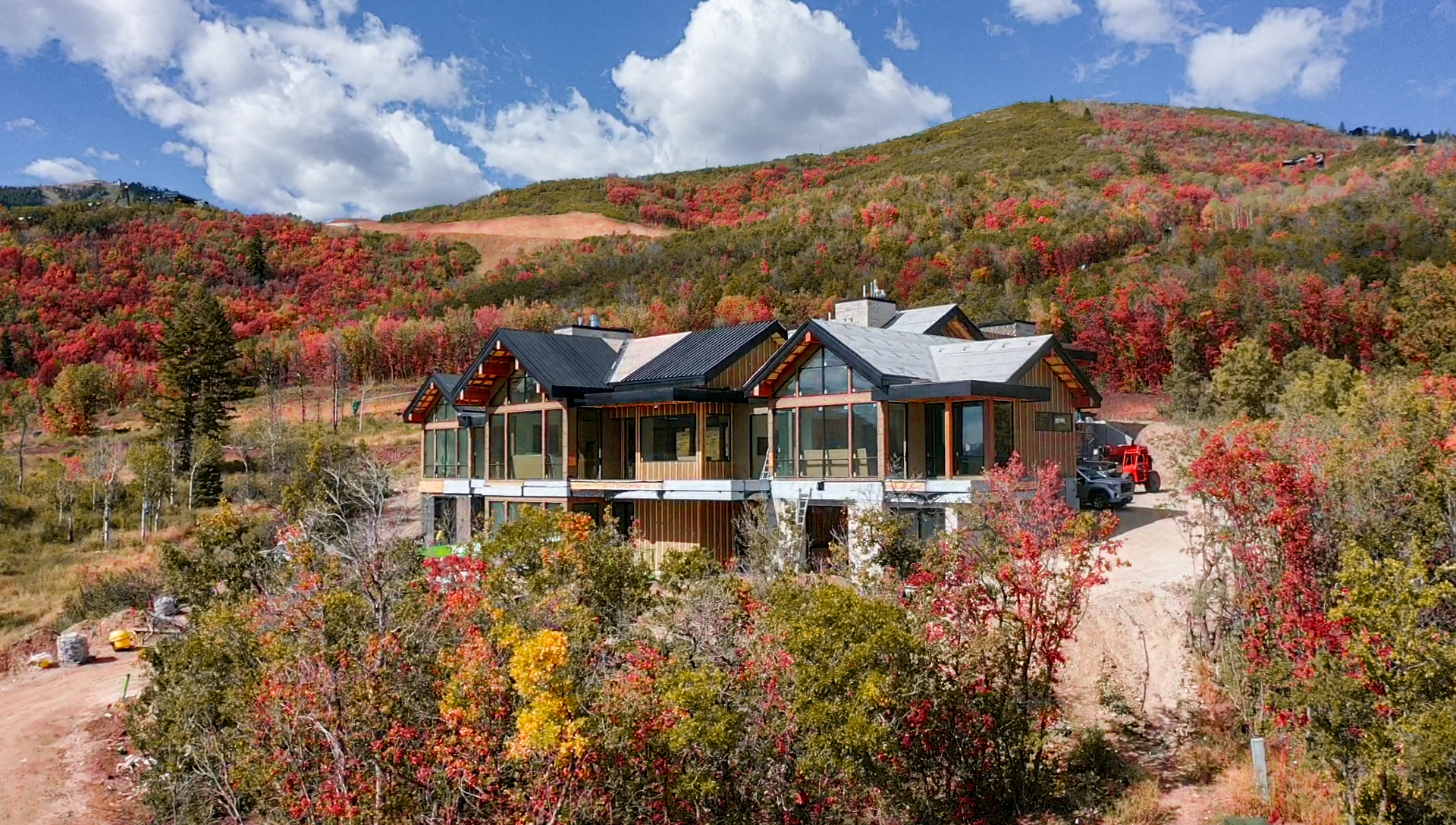
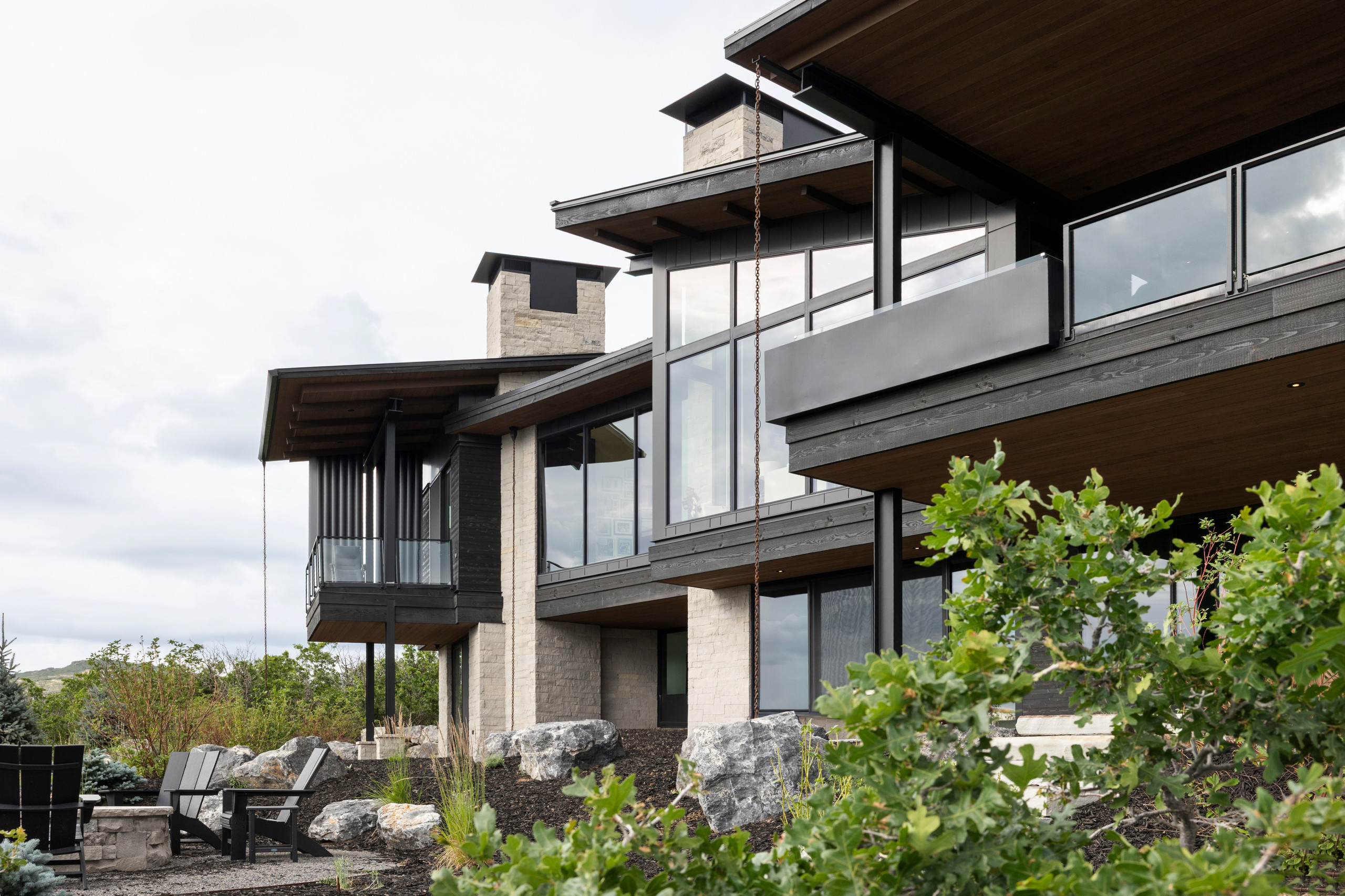
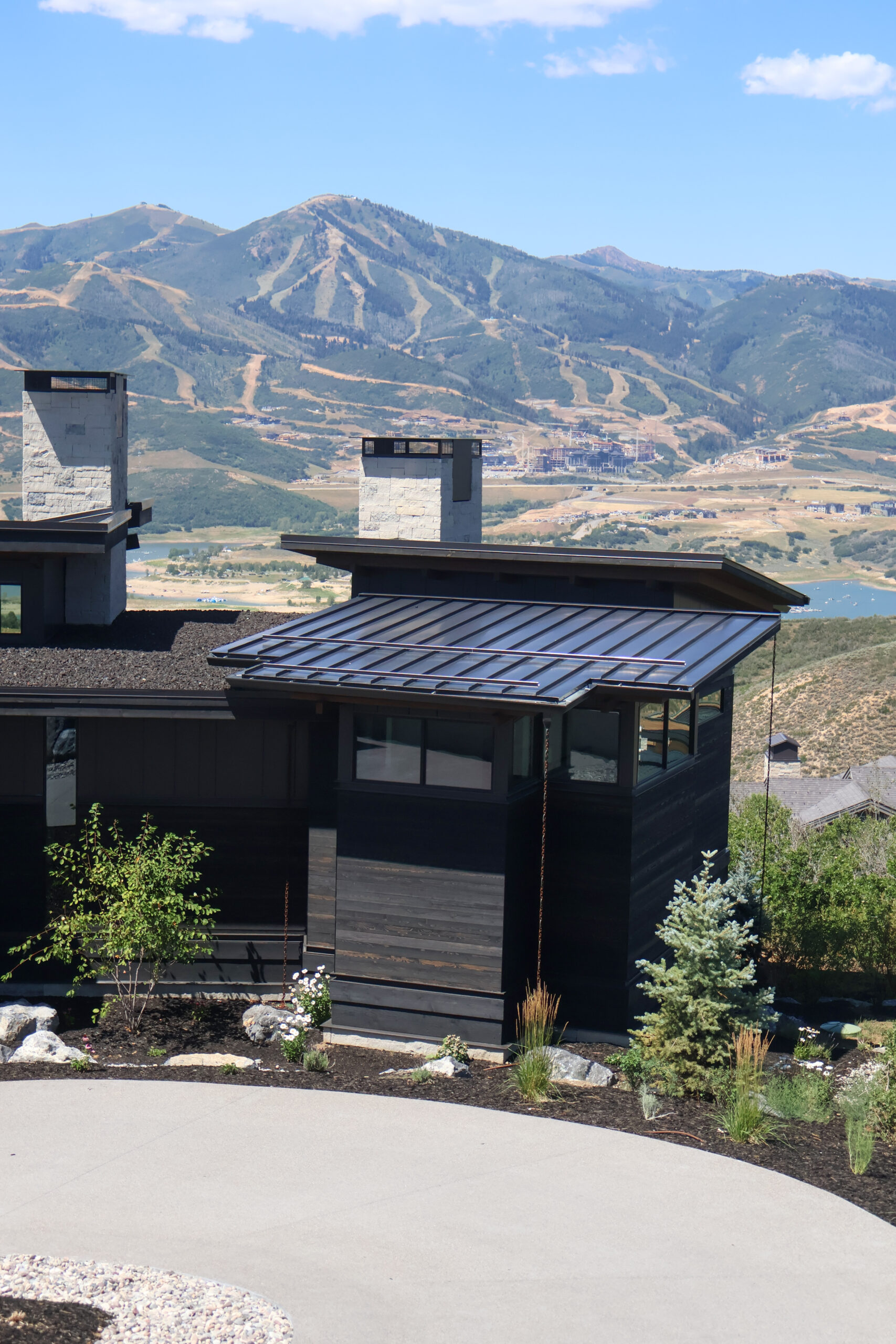
This is where it becomes especially valuable for the type of projects Viotell works on. Luxury homes don’t always have simple rooflines. You can have multiple slopes, large overhangs, unusual angles, parapets, intersecting roof planes, and transitions between different exterior materials, all on the same home. Standard components don’t always account for those conditions. Custom fabrication allows the metalwork to be developed around the actual geometry of the building instead of trying to make the building work around a standard component. That can make installation more predictable and help the finished details look intentional.
What About Architectural Wall Panels?
The same idea applies to wall panels. Large-format architectural panels need to coordinate with windows, doors, corners, rooflines, adjacent materials, and the structure behind them. When those conditions are considered during fabrication, installation can move more efficiently because the crew isn’t making every decision as they go. It also helps keep reveals, joints, and transitions consistent across the exterior. For modern homes where those lines are highly visible, that level of precision matters.
Does Custom Fabrication Make a Project More Expensive?
Custom fabrication can involve more planning and fabrication time upfront, so it’s not automatically the cheapest option. But cost isn’t always about the price of the material itself. Time spent making repeated field adjustments, waiting on material, correcting mistakes, or working around unresolved details can also affect a project’s overall cost and schedule. The better question is whether the fabrication approach makes sense for the complexity of the project. On a straightforward installation, standard components may be perfectly appropriate. On a highly customized home with complex architectural details, investing more planning into fabrication can make the installation process much more controlled.
Where Custom Fabrication Makes the Biggest Difference
It’s usually the details that require the most coordination where custom fabrication provides the most value. Roof-to-wall transitions, fascia, soffits, coping, wall panel joints, corners, penetrations, drainage details, and unusual roof geometry are all examples where planning ahead can make installation easier. The goal isn’t to custom fabricate everything just because you can. It’s to identify the areas where precision and coordination matter most and solve those details before they’re being installed.
The Best Fabrication Happens Before the Material Reaches the Jobsite
Custom fabrication isn’t just about having a shop that can make unique pieces. It’s about understanding what needs to happen in the field and working backward from there. When the design, fabrication, and installation teams are communicating early, the shop can produce components with the actual installation process in mind. That can mean fewer surprises, fewer field modifications, and a smoother installation overall. For custom residential projects, where the exterior has to look intentional from every angle, that preparation can make a noticeable difference.
Final Thoughts
Custom fabrication doesn’t eliminate every challenge on a construction site. It does, allow the team to solve more of those challenges before installation begins. For complex luxury homes, that’s often where the real value is. The better the details are coordinated and fabricated ahead of time, the more efficiently the crew can install them and the easier it becomes to achieve the clean lines and precise transitions the design calls for. Good fabrication isn’t just about what gets made in the shop. It’s about making the installation work better once it gets to the jobsite.
FAQs
What is custom metal fabrication?
Custom metal fabrication is the process of manufacturing metal components to the specific dimensions, details, and requirements of a project rather than relying entirely on standard components.
How does custom fabrication improve installation?
Custom fabrication can reduce field cutting, bending, measuring, and modifications by resolving more of the work before the material reaches the jobsite.
Is custom fabrication worth it for luxury homes?
It can be, particularly on projects with complex rooflines, architectural wall panels, custom fascia, soffits, and detailed transitions where precision and coordination are important.
Does custom fabrication reduce construction delays?
It can help reduce delays caused by unresolved details, incorrect dimensions, or extensive field modifications, especially when fabrication is coordinated early in the project.
What can be custom fabricated for a luxury home?
Depending on the project, architectural metal fabricators can produce roofing components, wall panels, fascia, soffits, coping, flashing, gutters, chimney caps, and other custom sheet metal details.
Does custom fabrication replace field work?
No. Installation still requires skilled field work. Custom fabrication simply moves more of the precision work and problem-solving into a controlled shop environment before installation.