
Two Metal Roofing Systems, Very Different Approaches
When homeowners and builders start researching metal roofing, the standing seam vs exposed fastener question comes up fast. Both systems use metal panels. Both can last decades. Both outperform asphalt shingles in nearly every measurable category. But the way they are designed, installed, and maintained is different enough that choosing the wrong one for your project can cost you money, performance, or both.
At Viotell Metal Concepts, we install both standing seam and exposed fastener metal roofing systems throughout Park City, the Wasatch Back, and the greater Salt Lake area. We do not push one system over the other. We recommend the one that fits the building, the climate, the budget, and the owner’s expectations.
This breakdown covers the real differences between these two systems so you can have an informed conversation with your contractor and make a decision that holds up over time.
How Standing Seam Metal Roofing Works
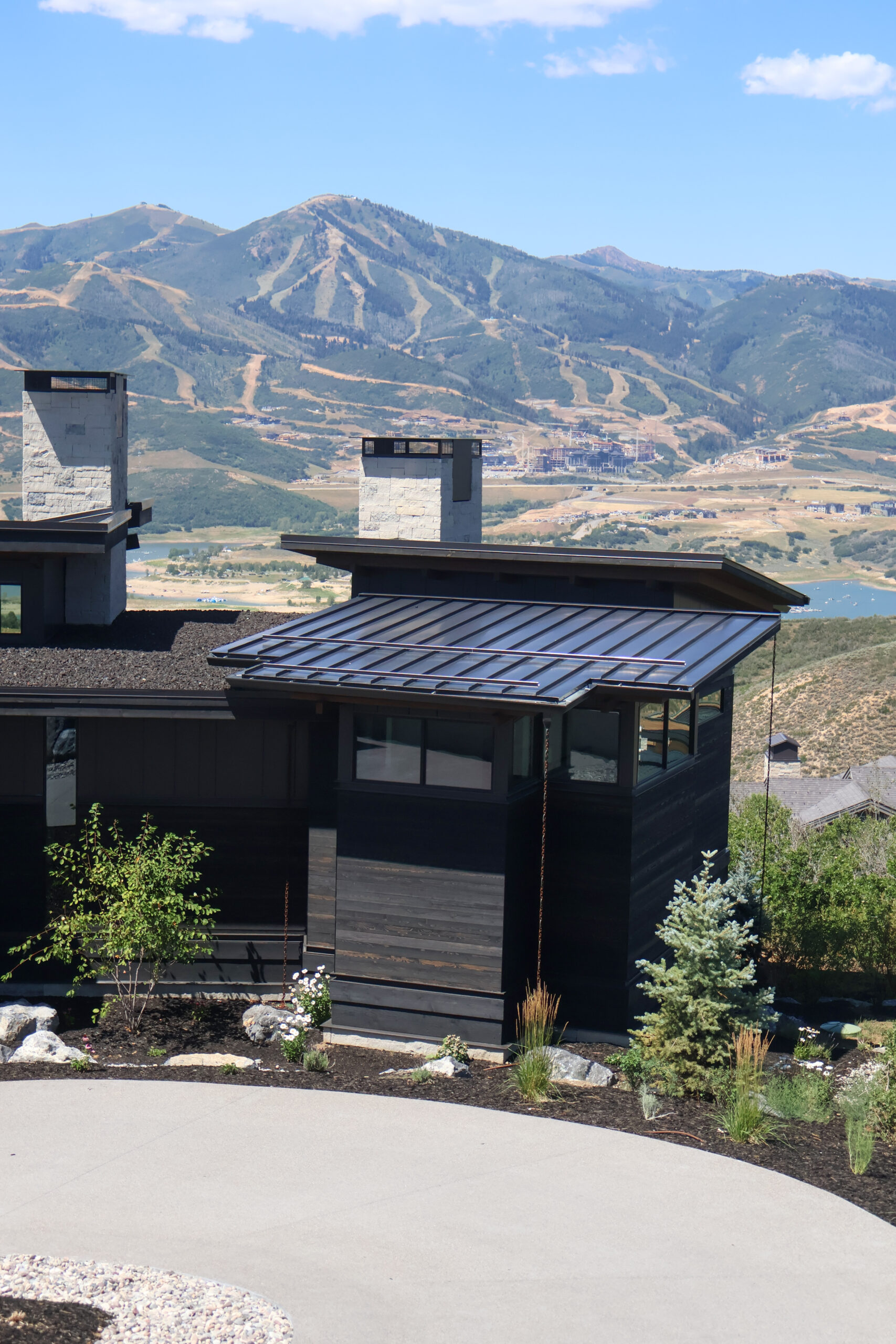
Standing seam metal roofing uses long, vertical panels with raised seams that interlock along the edges. The panels are attached to the roof deck using concealed clips that sit beneath the seam, meaning no fasteners penetrate the face of the panel. This hidden fastener design is the defining characteristic of standing seam systems and the primary reason they perform so well over time.
Because there are no exposed screws on the panel surface, there are no screw holes to leak, no rubber washers to dry out, and no fastener heads to catch wind-driven rain. The panels can also expand and contract freely with temperature changes, which is critical in Utah where a metal roof can see a 100-degree temperature swing between summer and winter. The clips allow the panels to move without buckling or pulling out of position.
Standing seam systems are available in a wide range of metals and finishes, including Galvalume steel, aluminum, copper, and zinc. Panel widths and seam heights vary by manufacturer. We typically work with 1-inch and 1.5-inch seam profiles, and we fabricate many of our panels in-house to maintain quality control and reduce lead times.
How Exposed Fastener Metal Roofing Works
Exposed fastener panels, sometimes called screw-down panels, are attached directly to the roof deck or purlins using self-drilling screws that pass through the face of the panel. Each screw has a neoprene or EPDM washer beneath the head that compresses against the panel surface to create a weather seal. The panels overlap at the edges rather than interlocking, and they are screwed down at regular intervals across their entire surface.
This system is straightforward to install and uses less material than standing seam, which makes it a more affordable option upfront. Exposed fastener roofing is widely used on agricultural buildings, shops, garages, and commercial structures where budget is a primary driver and aesthetics are secondary.
That said, exposed fastener roofing is also used on residential projects, particularly when the budget is tight or the building design calls for a more utilitarian look. In the right application, it performs well and delivers excellent value. The key is understanding where it excels and where its limitations matter.
Performance Differences That Matter in Utah
In Utah’s mountain climate, thermal movement is one of the most important factors in metal roof performance. Metal panels expand when they heat up and contract when they cool down. On a 20-foot panel, that thermal movement can be a quarter inch or more. Standing seam systems accommodate this movement through their clip attachment, allowing the panel to slide freely. Exposed fastener panels are locked in place by the screws, which means every temperature change puts stress on the fastener holes.
Over years of cycling, those stressed fastener holes can elongate. The washers dry out and crack. Once the seal is compromised, water can enter. This does not happen overnight, and regular maintenance can extend the life of exposed fastener panels significantly. But it is a fundamental design limitation that standing seam systems simply do not have.
Wind performance is another differentiator. Standing seam panels with properly engineered clip spacing can achieve high wind uplift ratings. Exposed fastener panels rely on the holding power of each individual screw, and their performance under sustained high winds depends heavily on correct screw placement and washer integrity. In exposed mountain locations near Park City where wind loads can be intense, standing seam is often the better-performing option.
Cost Comparison: Upfront vs. Lifetime
Exposed fastener metal roofing is typically 30 to 50 percent less expensive than standing seam when you compare installed cost per square foot. For a straightforward building with simple geometry, that cost difference can be significant. If you are roofing a detached garage, a barn, or a secondary structure where maximum longevity is not the top priority, exposed fastener panels deliver solid performance at a lower price point.
Standing seam costs more upfront because the panels are more precisely manufactured, the clips and accessories add to material costs, and the installation requires more skill and time. But the tradeoff is a longer service life with fewer maintenance needs. Over a 50-year span, a standing seam roof often costs less in total because you are not replacing fastener washers, re-sealing screw holes, or dealing with the issues that come with exposed fastener degradation.
For a primary residence in a mountain climate, we generally recommend standing seam as the better long-term investment. For outbuildings, covered storage, or projects with tight budgets, exposed fastener is a legitimate option that we install regularly and stand behind. We are happy to walk through the numbers for your specific project if you reach out to us.
Aesthetics and Design Flexibility
From a design standpoint, standing seam metal roofing offers a cleaner, more modern appearance. The unbroken panel lines and concealed fasteners create a smooth, uniform look that works well on contemporary architecture, mountain modern homes, and high-end custom builds. It pairs naturally with other metal wall panel systems for a cohesive building envelope.
Exposed fastener roofing has a more traditional, agricultural aesthetic. The visible screw heads and overlapping panel edges give it a recognizable look that works on the right building but may not match the design intent of every project. For homeowners who want a specific architectural look for their home, the panel style matters beyond just performance.
Color and finish options are broadly similar for both systems, though standing seam panels are more commonly available in premium Kynar/PVDF finishes, while exposed fastener panels are often offered in polyester paint systems. The finish system affects both appearance and longevity, so ask your contractor what coating options are available for the system you are considering.
Frequently Asked Questions
Is standing seam metal roofing worth the extra cost?
For most primary residences, yes. The concealed fastener design eliminates the maintenance issues associated with exposed screws, and the panel’s ability to handle thermal movement without stress means fewer problems over the life of the roof. The upfront premium pays off in reduced long-term costs.
Can I use exposed fastener panels on a residential home?
Absolutely. Exposed fastener panels are used on homes regularly. They are most commonly chosen for secondary structures or when the budget is a primary concern. With proper installation and periodic maintenance, they can perform well for 25 to 30 years.
Which system handles snow better?
Both systems handle snow loads well when properly engineered. Standing seam is generally preferred in heavy snow areas because clamp-on snow retention systems attach to the seams without penetrating the panel. Exposed fastener roofs require mechanically fastened snow guards, which add screw penetrations.
How long does each system last?
Standing seam metal roofs typically last 40 to 60 years or more with minimal maintenance. Exposed fastener roofs generally last 25 to 35 years before fastener-related maintenance becomes significant. Both can last longer with quality materials and proper installation.
Can I switch from exposed fastener to standing seam later?
It is possible but not practical. Switching systems means a full tear-off and re-installation. If you are deciding between the two for a new build, it is best to choose the right system upfront.
Not Sure Which System Is Right for You?
We install both standing seam and exposed fastener metal roofing, and we will give you an honest recommendation based on your building, your climate, and your budget. Get in touch with us to talk through your options.
References
Metal Construction Association. Metal Roof Panel Systems Overview. https://www.metalconstruction.org/