
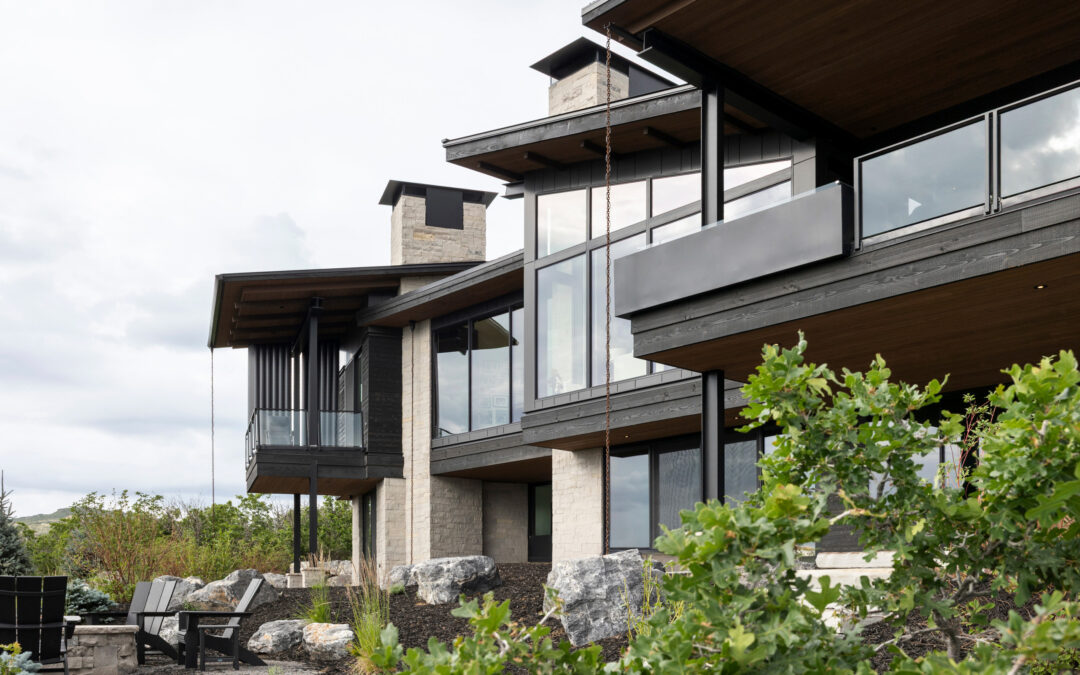
When architects and general contractors are detailing an architectural wall system, the larger wall panels are usually only part of the conversation. The transitions, edges, openings, and terminations are what ultimately determine how the finished system comes together.
One of those details is ACM C-channel.
ACM, or aluminum composite material, is widely used for architectural exterior wall panels because it provides a lightweight, finished surface with the ability to be fabricated into a variety of shapes and profiles. The material consists of aluminum skins bonded to a core and is available in a wide range of finishes for architectural applications.
A C-channel is a fabricated ACM profile that can be incorporated into a wall panel system to create a clean edge, transition, termination, or architectural detail. Rather than treating the channel as an off-the-shelf trim piece, it can be fabricated from the same ACM material and finish as the surrounding panels, helping the finished assembly maintain a consistent appearance.
For projects where the details matter as much as the overall facade, that distinction can be important.
What Is an ACM C-Channel?
An ACM C-channel is a C-shaped profile fabricated from aluminum composite material. The exact dimensions, returns, folds, and configuration can vary depending on the project and what the channel is being used to accomplish.
ACM is particularly well suited to custom fabrication because the panels can be cut, routed, bent, drilled, and formed into different shapes. Manufacturers provide fabrication guidance specifically for creating custom architectural components from ACM. The result is a fabricated component that can be designed around the conditions of the building rather than forcing the project to rely entirely on standard trim profiles.
This is especially useful when an architect has a specific reveal, termination, transition, or edge condition that needs to be carried through the exterior design.
Where Is ACM C-Channel Used?
The exact application depends on the wall system and the project’s detailing, but ACM C-channel can be used in several areas of an architectural facade.
Panel Edges and Terminations
One common application is creating a finished termination at the edge of an ACM panel system. Instead of leaving a raw panel edge exposed, a fabricated channel can provide a more intentional transition.
This can be particularly useful at the end of a panel run, where the ACM meets another exterior material, or where the wall system changes direction.
Transitions Between Materials
Modern buildings often combine several exterior materials, ACM, standing seam metal, stone, wood, glass, stucco, or other cladding systems.
Those materials do not always meet in a simple straight line. A fabricated ACM channel can be incorporated into the detail to create a clean transition between materials while maintaining the architectural lines established by the design.
For mountain homes and high-end commercial projects, where multiple exterior materials are often used together, these transitions can become a significant part of the overall appearance.
Window and Door Openings
ACM wall systems frequently require detailed conditions around windows and doors. Channels and other fabricated ACM components can be incorporated into these areas to create clean returns and transitions around openings.
The specific configuration needs to be coordinated with the wall assembly, waterproofing, flashing, insulation, and window or door system. The appropriate detail should be based on the specific product and wall system being used.
Corners and Architectural Transitions
C-channel profiles can also be incorporated into more complex facade conditions, including corners, offsets, changes in plane, and other architectural transitions.
The advantage of fabricating these components from ACM is that the profile can be coordinated with the surrounding panel system instead of relying solely on generic trim.
That becomes increasingly important as facade designs become more complex.
Why Fabrication Matters With ACM C-Channel
A major part of working with ACM is the ability to fabricate the material to suit the project.
Unlike a simple flat panel, a fabricated C-channel has to be produced to specific dimensions and coordinated with the surrounding wall system. The depth of the channel, return dimensions, bends, panel thickness, finish, and connection method all need to work together.
Manufacturers provide fabrication guidance for processes including routing, bending, drilling, and forming ACM into custom components. That flexibility allows fabricators to produce custom components for individual project conditions.
For architects and GCs, this means the conversation can move beyond “What standard trim do we have?” and toward “What detail does this project actually require?”
That difference can be valuable on custom architectural work.
For projects requiring custom ACM fabrication, Viotell coordinates fabrication and installation around the specific requirements of the project.
ACM C-Channel and the Rest of the Wall System
An ACM C-channel does not exist independently from the rest of the facade.
The channel needs to be considered alongside the ACM panels, substrate, attachment system, weather barrier, insulation, flashing, and other components that make up the wall assembly.
Depending on the system, ACM panels can be installed over a variety of supporting assemblies, including systems incorporating rails, girts, clips, or other attachment components. The specific assembly needs to follow the manufacturer’s requirements and the project’s architectural and engineering details.
This is why early coordination between the architect, GC, fabricator, and installer can make a difference.
A channel that looks straightforward in elevation may have several considerations behind the finished surface.
The Finished Appearance
One of the biggest reasons to use a custom ACM channel is visual continuity.
When the channel is fabricated from the same material and finish as the surrounding ACM panels, the detail can read as part of the overall facade rather than as an unrelated piece of trim.
This is especially useful when the design relies on strong lines, consistent reveals, or minimal transitions.
On a contemporary home or commercial building, a relatively small edge detail can have a noticeable effect on how the entire wall system looks when completed.
Custom ACM Fabrication for Architectural Projects
Every project has different conditions. Panel dimensions, wall geometry, openings, transitions, material combinations, and architectural details can all affect how ACM components need to be fabricated.
That is where custom ACM fabrication becomes particularly valuable.
A fabricator can review the architectural details, coordinate dimensions, fabricate the required profiles, and produce components that are intended for the specific application rather than modifying a standard piece in the field.
For complex architectural projects, this coordination can also help connect the design intent with what will actually be installed on the building.
Viotell works with ACM and other architectural metal systems to fabricate custom components for projects throughout Utah and the Rocky Mountain region. Our work includes architectural wall panels, custom metal fabrication, and detailed exterior metal components where fabrication and installation need to work together. [INTERNAL LINK: architectural wall panels → Viotell Architectural Metal Wall Panels page]
For example, Viotell’s Axis project incorporated ACM wall panels and C-channel architectural metalwork, showing how custom-fabricated ACM details can be integrated into a larger architectural facade.
For architects and general contractors, the goal is straightforward: get the detail right in fabrication so it can come together correctly in the field.
Frequently Asked Questions About ACM C-Channel
What is ACM C-channel?
ACM C-channel is a C-shaped architectural profile fabricated from aluminum composite material. It can be used for panel terminations, transitions, edges, openings, corners, and other architectural wall details.
Can ACM C-channel be custom fabricated?
Yes. ACM can be cut, routed, bent, drilled, and otherwise fabricated into custom shapes and profiles. The exact fabrication process depends on the ACM product and the required configuration.
Where is ACM C-channel used?
It can be used around panel edges, material transitions, openings, corners, changes in plane, and other areas where a custom architectural transition or termination is required.
Is ACM C-channel installed with ACM wall panels?
It can be incorporated into an ACM wall panel system, but the specific attachment and detailing depend on the wall assembly, manufacturer requirements, and project-specific design.
Can ACM C-channel match the ACM wall panels?
Yes. When fabricated from the same ACM product and finish, the channel can be coordinated visually with the surrounding wall panels.
Who fabricates ACM C-channel in Utah?
Custom ACM C-channel is typically handled by an architectural metal or ACM fabricator with experience in custom panel fabrication and installation. Viotell provides custom ACM fabrication and architectural metal services for projects throughout Utah and the Rocky Mountain region.
Can ACM C-channel be used on Park City projects?
Yes. ACM wall systems and custom-fabricated details can be incorporated into residential and commercial projects in Park City and throughout the Rocky Mountain region. The appropriate material, finish, attachment, and wall assembly should be selected based on the project’s design and site conditions.