
Why Do Mountain Homes Have Deep Roof Overhangs?
If you’ve ever looked at a modern mountain home, you’ve probably noticed one detail that appears again and again: deep roof overhangs.
They’re one of the defining characteristics of mountain architecture, but they aren’t there simply for appearance. In high-elevation environments like Park City and throughout the Wasatch Mountains, roof overhangs help protect exterior materials, manage snow and rain, create shade, and contribute to the overall performance of the home.
It’s one of those architectural details where design and function work together.
What Is a Roof Overhang?
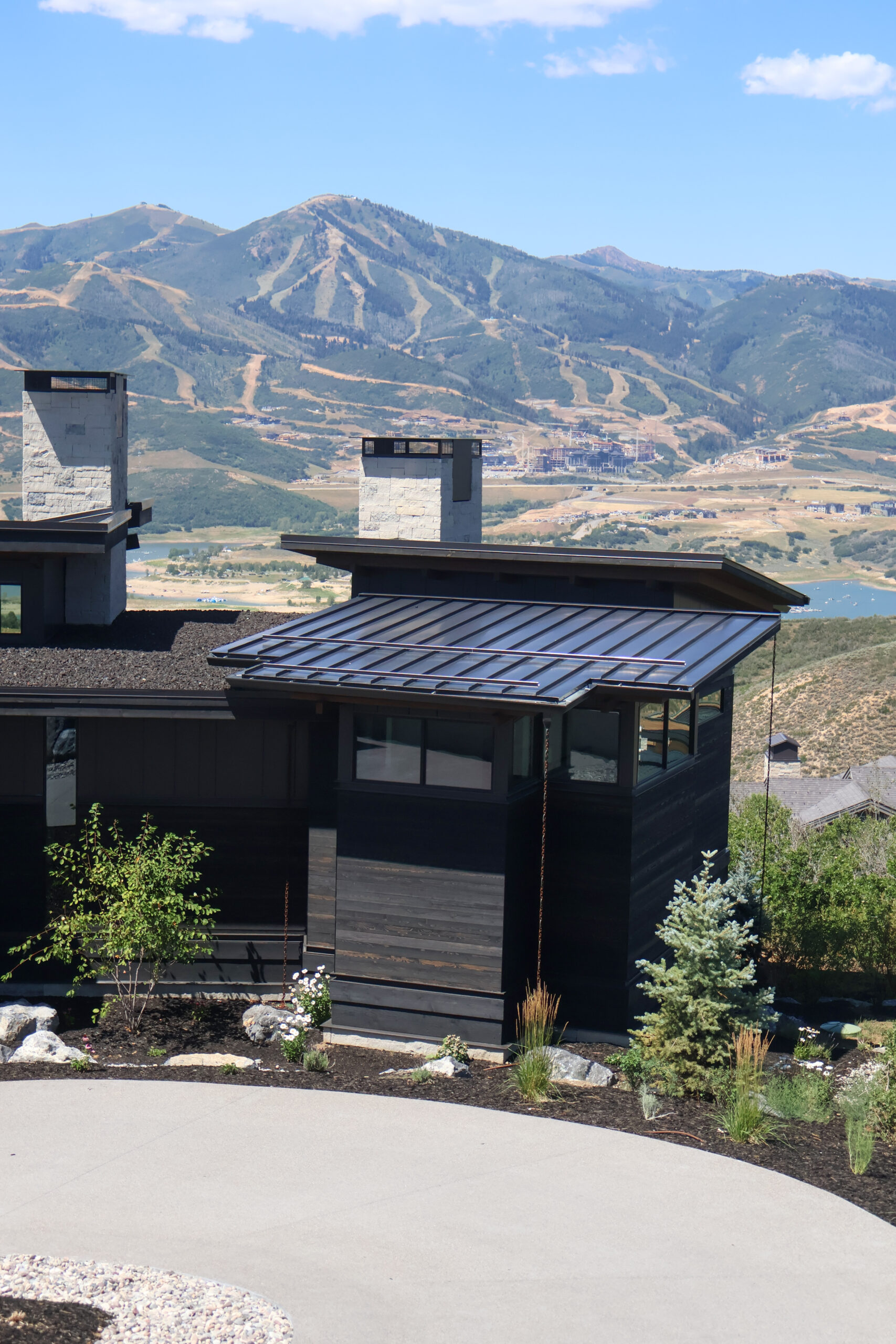
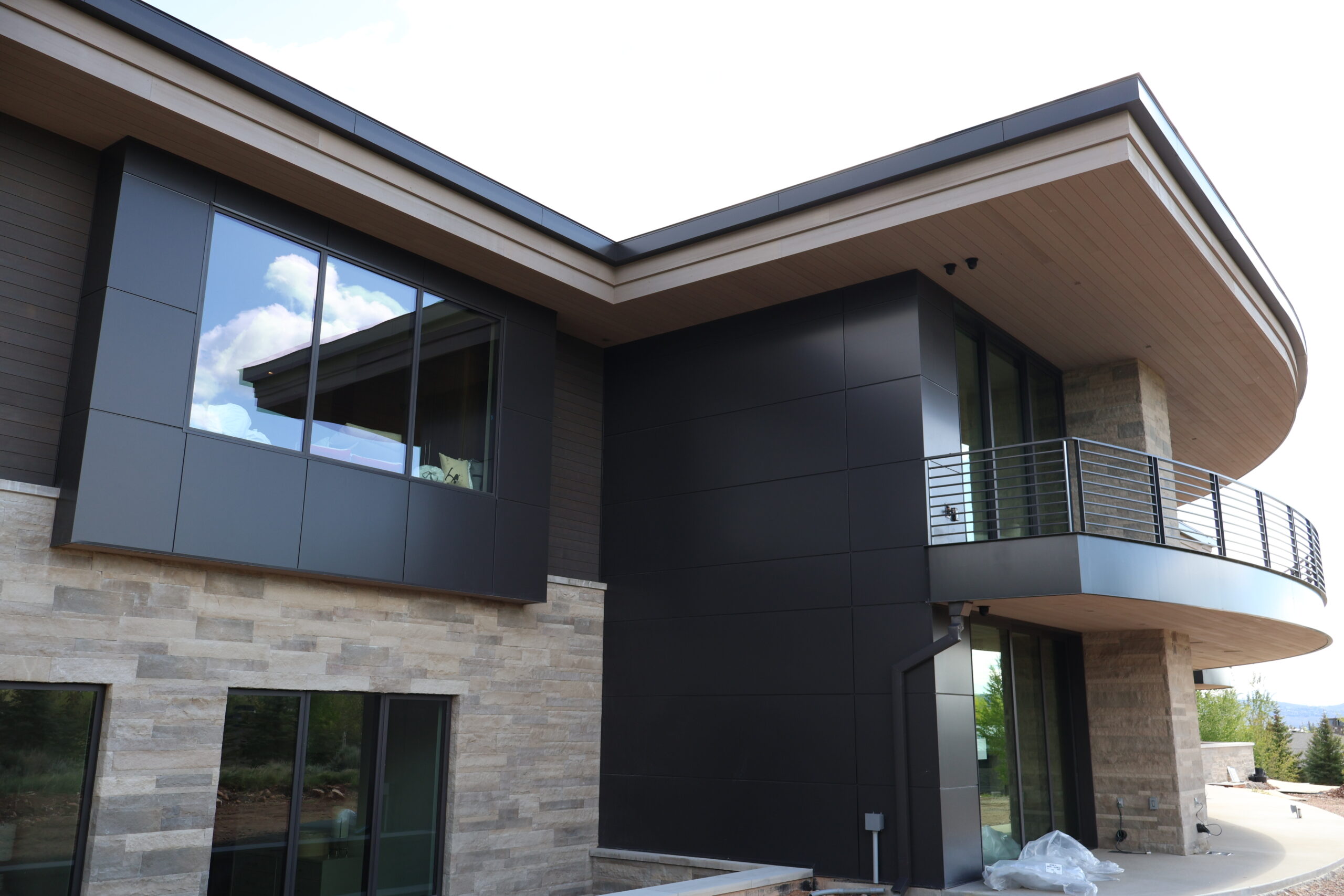
A roof overhang is the portion of the roof that extends beyond the exterior walls of a home. Some homes have relatively small overhangs, while others extend several feet to create dramatic rooflines, covered outdoor spaces, and additional protection from the elements. In mountain architecture, deeper overhangs have become a common design feature because they support both aesthetics and long-term performance.
Why Are Deep Roof Overhangs Common in Mountain Homes?
Mountain homes experience conditions that many other homes don’t. Throughout Utah, homes are exposed to:
- Heavy snowfall
- Wind-driven rain
- Freeze-thaw cycles
- Intense UV exposure
- Significant temperature swings
Deep roof overhangs help reduce how much of that weather reaches the home’s walls, windows, doors, and other exterior materials. While they aren’t the only line of defense, they play an important role in protecting the building envelope.
How Do Roof Overhangs Protect a Home?
One of the biggest benefits of a roof overhang is helping keep water away from the exterior. By extending beyond the walls, overhangs help direct rain and melting snow farther from the home, reducing direct exposure around windows, doors, wall panels, wood accents, and masonry. Over time, this can help preserve exterior materials and reduce unnecessary weathering.
Do Roof Overhangs Help With Snow?
Yes, but they’re only one part of the system. In snowy climates, overhangs work alongside the roof design, drainage, flashing, and snow retention systems to help manage how snow and water move across the building. Every project is different, but thoughtful roof design helps ensure those elements work together rather than independently.
Can Roof Overhangs Improve Energy Efficiency?
They can. Architects often use roof overhangs to help control how much sunlight enters a home throughout the year. During the summer, they can provide shade over large windows and reduce unwanted heat gain. During the winter, when the sun sits lower in the sky, those same windows can still capture natural light and passive solar warmth. It’s one of the reasons overhangs are considered early in the design process rather than added as an afterthought.
Why Do Architects Like Deep Roof Overhangs?
Performance is only part of the story. Roof overhangs also influence the overall character of a home. They can help create:
- Strong horizontal lines
- Architectural shadowing
- Covered outdoor living areas
- Better visual proportions
- A seamless transition between the roof and exterior walls
Many modern mountain homes use generous overhangs because they create a clean, timeless appearance while complementing the surrounding landscape.
What Other Exterior Details Work With Roof Overhangs?
Roof overhangs don’t work alone.
They’re part of a larger exterior system that includes:
- Roofing
- Soffits
- Fascia
- Gutters
- Flashing
- Wall panels
- Exterior cladding
- Drainage systems
When these components are designed together, they help improve both the appearance and long-term performance of the home.
Final Thoughts
Deep roof overhangs have become a defining feature of mountain homes for good reason. They help protect exterior materials, improve water management, influence natural light, and strengthen a home’s architectural character. More importantly, they demonstrate how thoughtful design decisions can improve both the beauty and performance of a home. Like many exterior details, their value isn’t found in one feature alone; it’s how they work together with the rest of the building envelope to create an exterior that’s built to last.
Frequently Asked Questions
Why do mountain homes have deep roof overhangs?
Deep roof overhangs help protect homes from snow, rain, and UV exposure while contributing to the home’s architectural style and long-term performance.
Do roof overhangs help protect siding?
Yes. Roof overhangs help reduce direct exposure to rain, snow, and sunlight, which can help protect siding, wall panels, windows, and other exterior materials.
Are deep roof overhangs only used on modern homes?
No. Roof overhangs have been used in many architectural styles for centuries. Modern mountain homes simply tend to emphasize them as both a functional and architectural feature.
Do roof overhangs improve energy efficiency?
Properly designed overhangs can provide seasonal shade, helping reduce heat gain during the summer while still allowing natural sunlight into the home during the winter.
Why are roof overhangs important in Utah?
Utah’s mountain climate brings heavy snow, intense UV exposure, and changing weather conditions. Roof overhangs help support a more durable and resilient exterior by reducing direct weather exposure.