
Table of Contents
Flat Roof Systems in Utah: An Essential Guide
Utah’s harsh winters bring heavy snowfall and freeze-thaw cycles that challenge traditional roofing. Flat roof systems in Utah must withstand snow accumulation while handling temperature swings in areas like Salt Lake City. These low-slope roofing solutions for Utah properties often face questions about suitability in heavy snow regions. With proper adaptations like tapered insulation, they perform reliably, offering lifespans of 20-30 years for quality installations.
Specialized materials are key to durability. TPO roofing in Utah provides a single-ply membrane that’s waterproof and reflective, ideal for extreme weather. For added strength, utah metal roofing systems from Viotell excel in snow load performance, handling 30-50 pounds per square foot with proper design. Viotell, based in Salt Lake City, serves homeowners and commercial developers through custom design, fabrication, and installation. Their service model emphasizes craftsmanship and clear contracts, ensuring projects from luxury homes to business complexes turn out flawlessly. Imagine a sleek metal flat roof on a downtown Salt Lake City residence, shedding snow effortlessly and enhancing modern aesthetics.
This guide explores the benefits, installation processes, and best practices for durable flat roofing options in Salt Lake City. Whether you need flat roof repair in Utah or a full upgrade, Viotell makes it straightforward. Contact local experts today for a free quote and protect your property against Utah’s elements.
Understanding Flat Roof Systems in Utah
Flat roof systems, characterized by low slopes under 3:12 pitch, offer modern aesthetics and functional benefits for Utah properties, but they demand careful consideration due to the region’s harsh weather. These structures are common in commercial buildings in Salt Lake City and residential designs in areas like Park City, where Viotell’s metal integrations enhance durability. Understanding these systems helps homeowners and businesses evaluate their fit for local conditions.
Challenges of Flat Roofs in Utah’s Climate
Utah’s climate poses unique hurdles for flat roof systems in Utah, particularly in snowy regions around Salt Lake City. Heavy snow loads, often exceeding 50 pounds per square foot during winter storms, strain low-profile roofing in snowy Utah without reinforced supports. Temperature fluctuations, from subzero nights to sunny days above 50 degrees Fahrenheit, trigger freeze-thaw cycles that expand and contract materials, leading to cracks in membranes and edge detailing.
Drainage issues compound these problems, as minimal slopes cause ponding water after snowmelt or rain. In Salt Lake City, a commercial warehouse suffered roof collapse in 2019 due to accumulated ice dams from poor initial drainage, highlighting the need for engineered solutions. Ice buildup forms barriers, trapping moisture and accelerating deterioration. Addressing these requires proactive design to mitigate risks in Utah’s variable weather patterns.
Materials and Design Basics for Durability
Selecting appropriate materials is crucial for Utah-adapted flat membrane systems to withstand local extremes. Core components include waterproof membranes like TPO and PVC, which provide seamless barriers against moisture. TPO roofing in Utah excels in reflecting solar heat, reducing cooling costs in summer, while PVC offers superior resistance to chemicals and punctures common in urban settings.
Tapered insulation ensures proper water runoff by creating subtle slopes, often integrated with flat roof tapered insulation for enhanced stability. Metal integrations, such as coping and gravel stops from specialists like Viotell, secure edges against wind uplift reaching 90 mph in mountain passes. These elements combine to form robust layers: a vapor barrier at the base, followed by rigid insulation boards, and topped with reinforced membranes. Proper installation prevents common failures, promoting longevity in freeze-prone environments.
Lifespan and Leak Risks Compared to Pitched Roofs
Flat roofs in Utah typically last 20-50 years with regular maintenance, though quality installations endure 25-30 years in harsh climates, as noted in industry analyses. Pitched roofs often outlast them at 40-70 years due to natural shedding of snow and water, reducing ponding risks. Flat designs face 20% higher leak vulnerability without tapered insulation, leading to issues like ice dams that pitched roofs avoid through gravity-assisted drainage.
In Utah, flat roof repair in Utah becomes frequent if cracks from thermal shifts go unaddressed, contrasting with pitched roofs’ self-draining nature. For instance, a Salt Lake City office building required extensive repairs after leaks from untreated ponding, while nearby sloped structures fared better. Maintenance, including annual inspections, extends flat roof life but demands more vigilance. Ultimately, engineered flat systems match pitched durability when climate adaptations like reinforced metal edges are prioritized, balancing cost savings with performance.
Simple comparison: Flat roofs risk leaks from standing water (high vulnerability) versus pitched roofs’ runoff (low risk), but both benefit from quality materials in Utah’s snow-heavy zones.
Key Benefits of Flat Roof Systems in Utah
Flat roof systems in Utah offer unique advantages tailored to the region’s diverse climate, from intense summer sun to heavy winter snowfalls. These systems provide superior performance for both commercial buildings in Salt Lake City and residential properties in Park City, where Viotell’s metal-enhanced solutions deliver lasting protection and value. By combining modern materials like TPO with innovative designs, flat roofs address common challenges while enhancing property appeal.
Energy Efficiency and Cost Savings
Energy-efficient low-slope roofs in Utah excel in insulation, minimizing heat loss during harsh winters and reflecting sunlight in scorching summers. Flat roof systems in Utah incorporate advanced materials that trap warmth effectively, potentially saving homeowners up to 15-20% on heating costs as noted in installation overviews for cold climates. For instance, TPO roofing reflects 80% of UV rays, keeping interiors cooler and reducing reliance on air conditioning, which translates to long-term ROI through lower utility bills–Viotell clients in Salt Lake City often report annual savings of around $500.
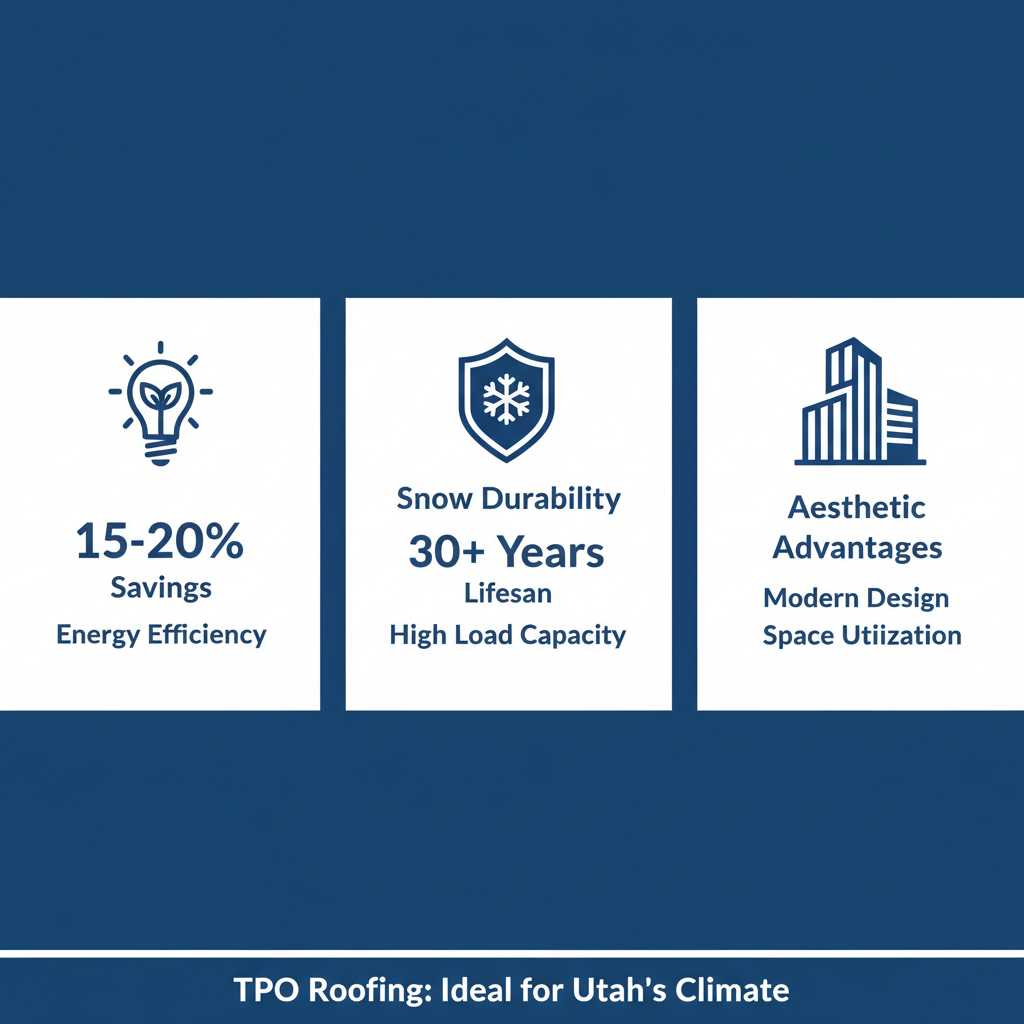
Key benefits of flat roof systems in Utah: efficiency, durability, aesthetics
Durability Against Snow and Storms
Flat roofs demonstrate exceptional resilience in Utah’s snowy winters, thanks to tapered designs that facilitate water and snow runoff to prevent dangerous accumulation. TPO roofing in Utah, often hybridized with metal for added strength, withstands heavy loads–up to 30+ years of service life–making it ideal for snow-resistant flat roofing for Salt Lake homes. Viotell’s projects in Park City showcase how these systems handle blizzard conditions without structural strain, incorporating robust membranes that resist cracking under freeze-thaw cycles.
Proper snow management utah further enhances longevity, with features like integrated drainage that outperform sloped alternatives in high-elevation areas. This durability reduces the need for frequent interventions, lowering overall ownership costs and ensuring safety during storms.
Aesthetic and Functional Advantages
Flat roof systems in Utah bring modern elegance to luxury properties, offering versatile designs that complement contemporary architecture in Salt Lake City. Unlike traditional pitched roofs, they allow for expansive rooftop spaces usable as patios or green areas, adding functional value to urban homes and commercial sites. Viotell’s custom metal integrations provide sleek, customizable finishes that elevate curb appeal while maintaining structural integrity.
How Flat Roof Systems Work in Utah’s Climate
Flat roof systems in Utah must withstand heavy snowfall, intense sun exposure, and temperature swings common in Salt Lake City. These systems, particularly TPO roofing in Utah, provide durable protection for commercial buildings by incorporating climate-adapted designs. Viotell Metal Concepts exemplifies precise execution, ensuring seamless integration of layers that handle Utah’s demanding weather.
Installation Process for TPO and Metal Systems
Installing flat roof systems in Utah begins with thorough site preparation to address the region’s variable soil and wind conditions. The core step involves applying the TPO membrane through heat-welding, creating Utah-specific flat roof layering that seals seams tightly for water resistance. Flashing around edges and penetrations prevents leaks, crucial in snowy environments. Finally, conduct water testing and inspections to verify performance.
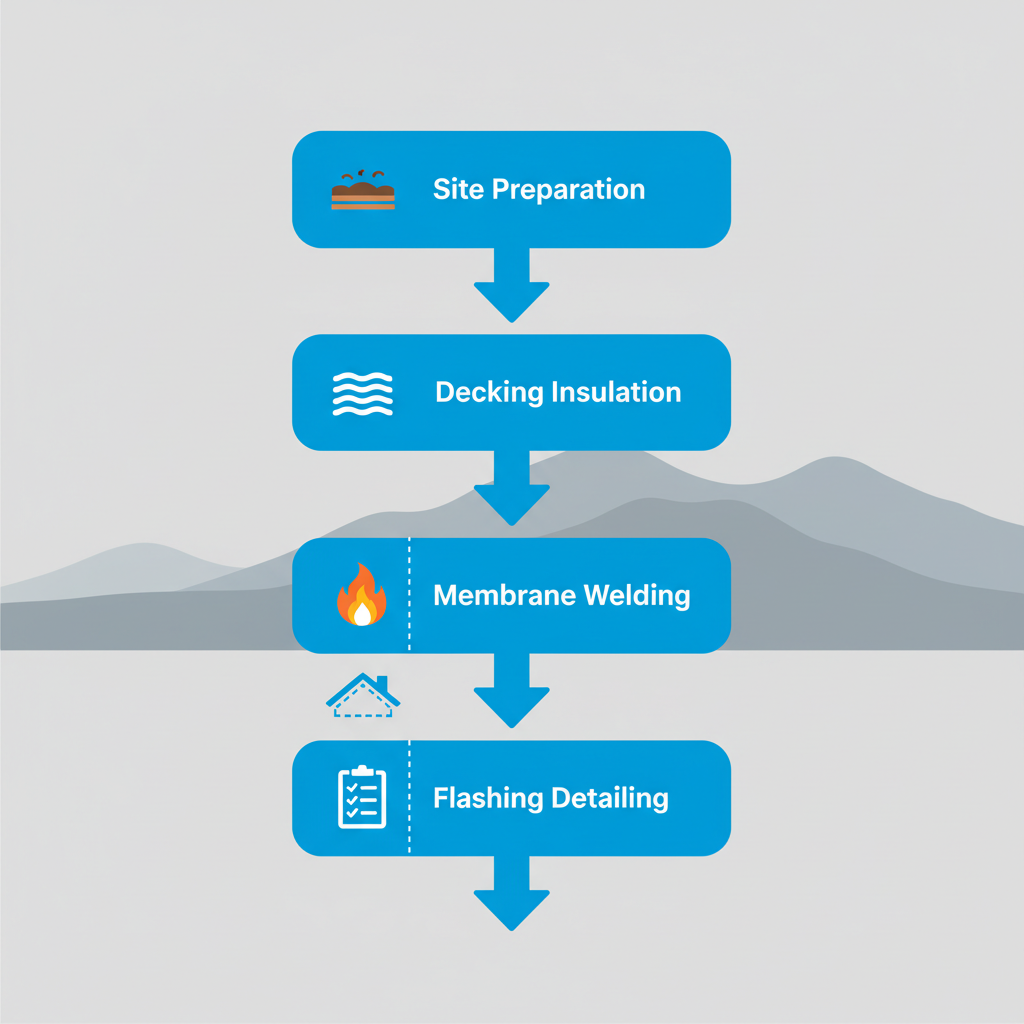
Step-by-step flat roof systems installation process for Utah’s unique climate
Cost Breakdown for Installation and Repairs
| Cost Category | Per Sq Ft Range | Key Factors |
|---|---|---|
| Installation | $5-10 | Size, insulation, slopes |
| Repairs | $3-7 | Damage type, urgency |
| Maintenance | $0.05-0.15 | Frequency, access |
TPO vs. Other Materials in Snowy Environments
| Material | Durability in Snow | Cost/sq ft |
|---|---|---|
| TPO | High: Flexible seams, 30-year warranty outperforms EPDM in UV/snow cycles; strengths include easy repairs and energy efficiency. Weaknesses: Initial cost higher than basic options. | $6-8 |
| PVC | Medium: Good puncture resistance but prone to brittleness in freezes; strengths in chemical durability. Weaknesses: Weaker seams, shorter lifespan in intense sun. | $7-9 |
Best Practices for Flat Roofs in Utah
Flat roofs in Utah face unique challenges from heavy snowfall and temperature swings, making proactive care essential for longevity and safety.
Inspection and Maintenance Schedules
- Verify seam integrity and sealant condition.
- Clear debris from drains to prevent backups.
- Test for soft spots indicating leaks.
Selecting Reliable Contractors and Materials
- Verify Utah licensing and insurance.
- Ask about material sourcing and installation methods.
- Compare quotes, factoring in long-term costs.
Choosing the Right Flat Roof Solution in Utah
Navigating flat roof systems in Utah requires considering the region’s unique climate, from heavy snow loads to intense sun exposure. Optimal Utah flat roofing choices like TPO and metal stand out for their durability, ensuring long-lasting solutions for Salt Lake properties. These systems excel in snow resistance, offering cost-effectiveness over time through reduced energy costs and straightforward maintenance.